
Last updated November 15, 2026
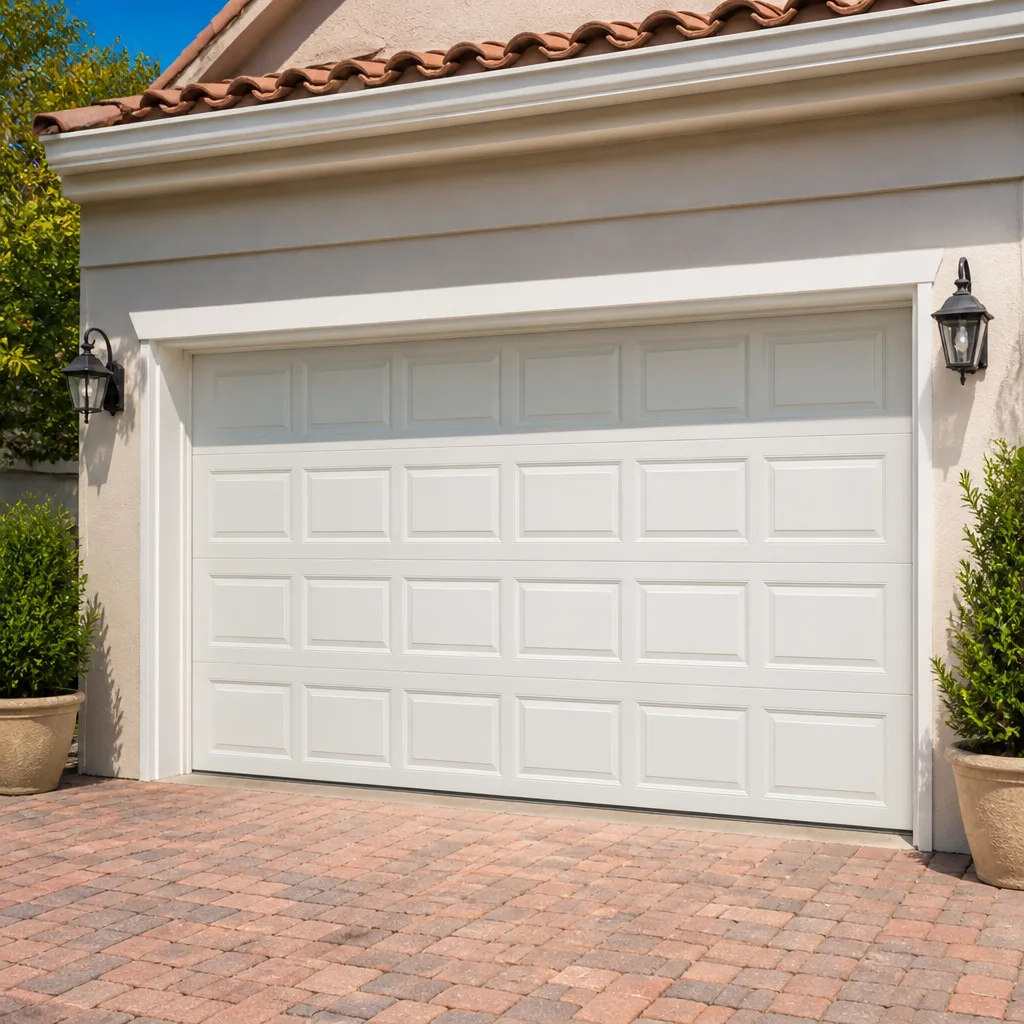 Raised-panel steel
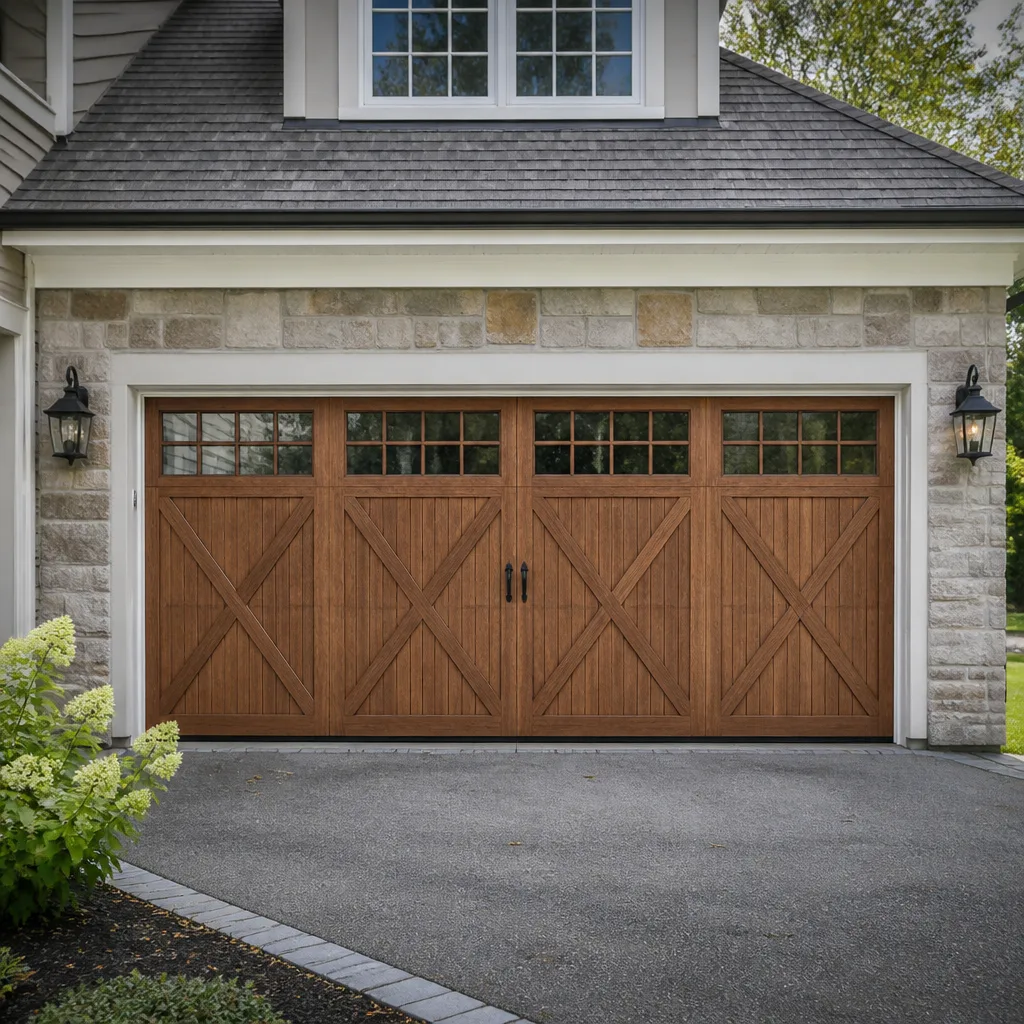 Carriage house
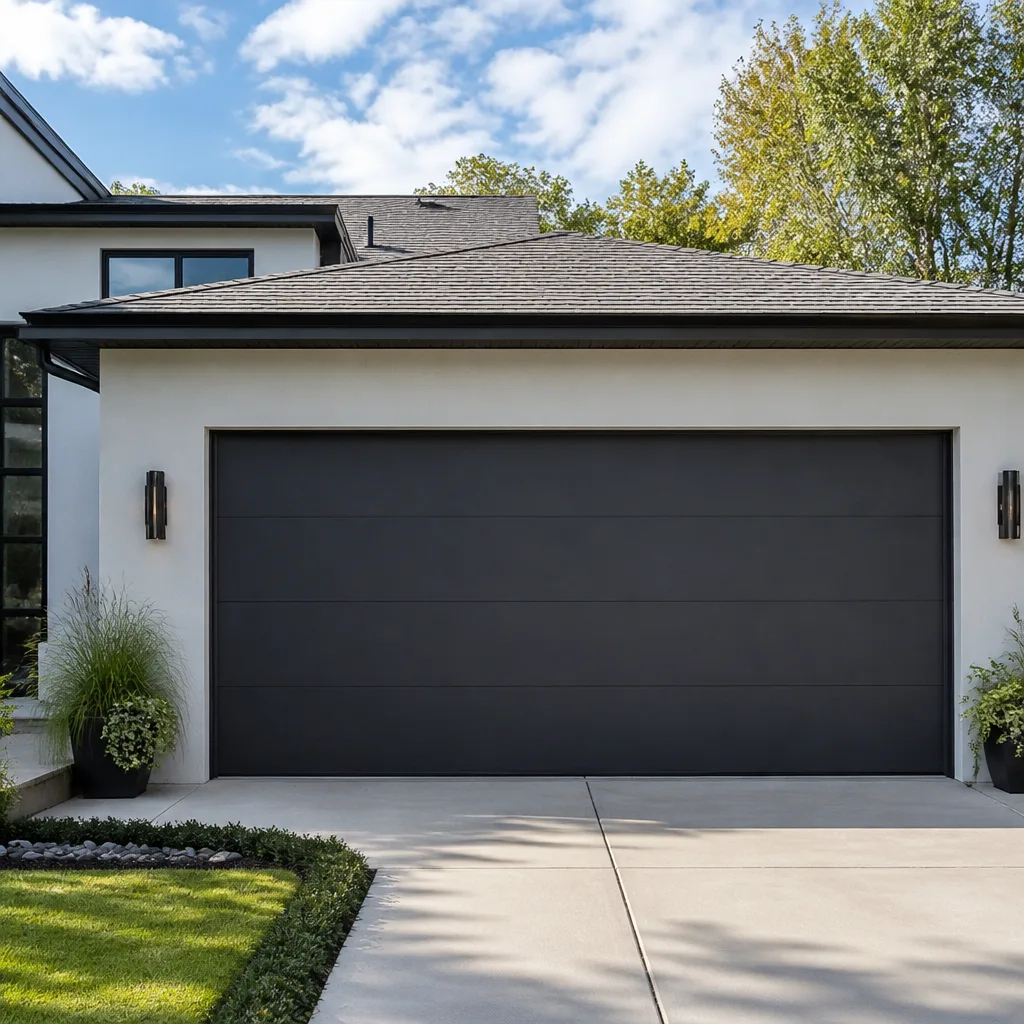 Modern flush
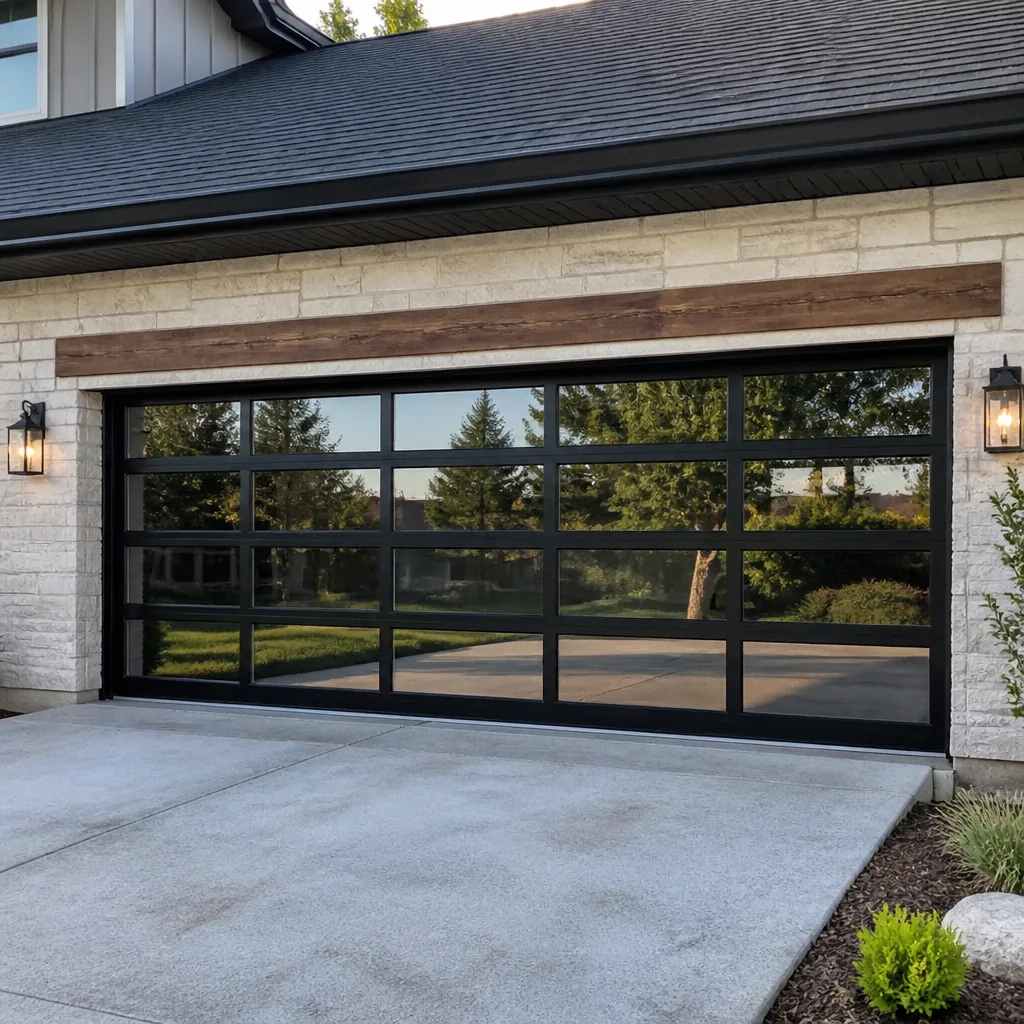 Full-view glass
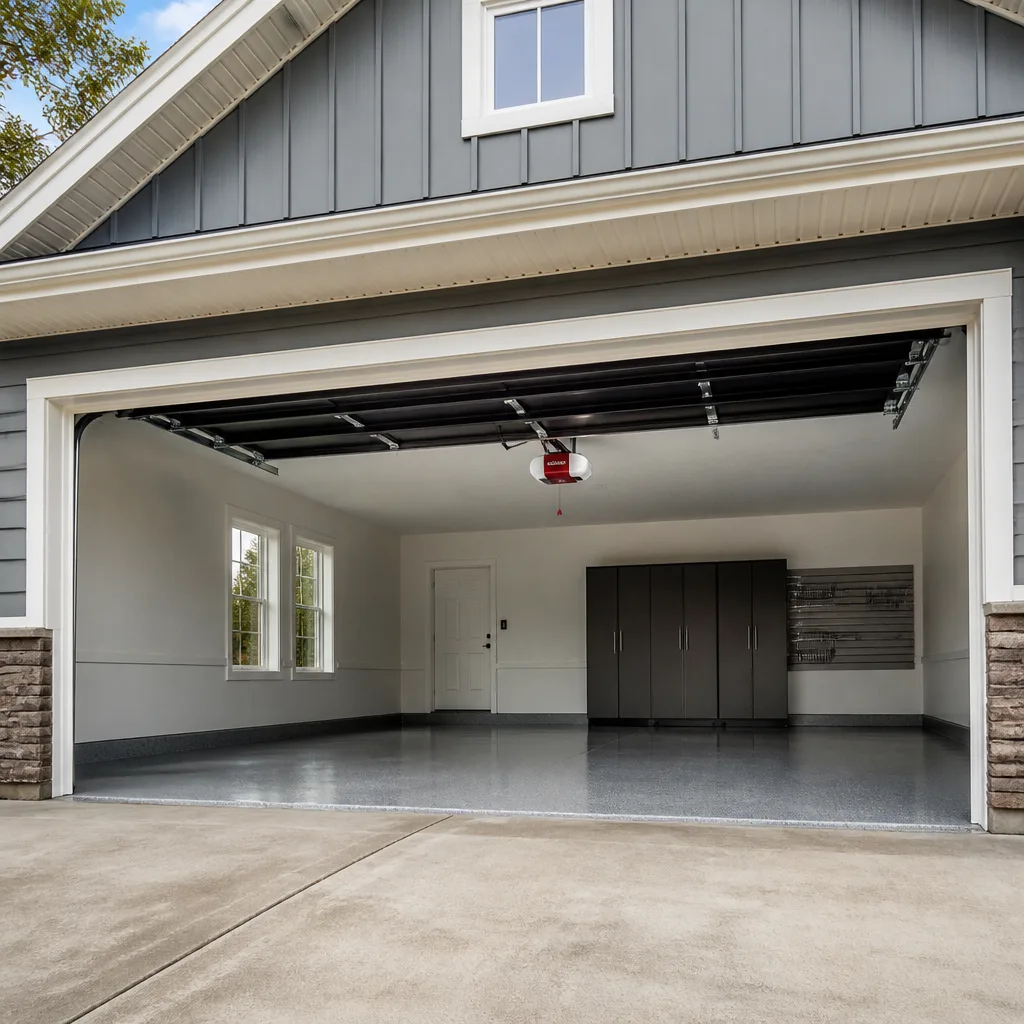 LiftMaster openers
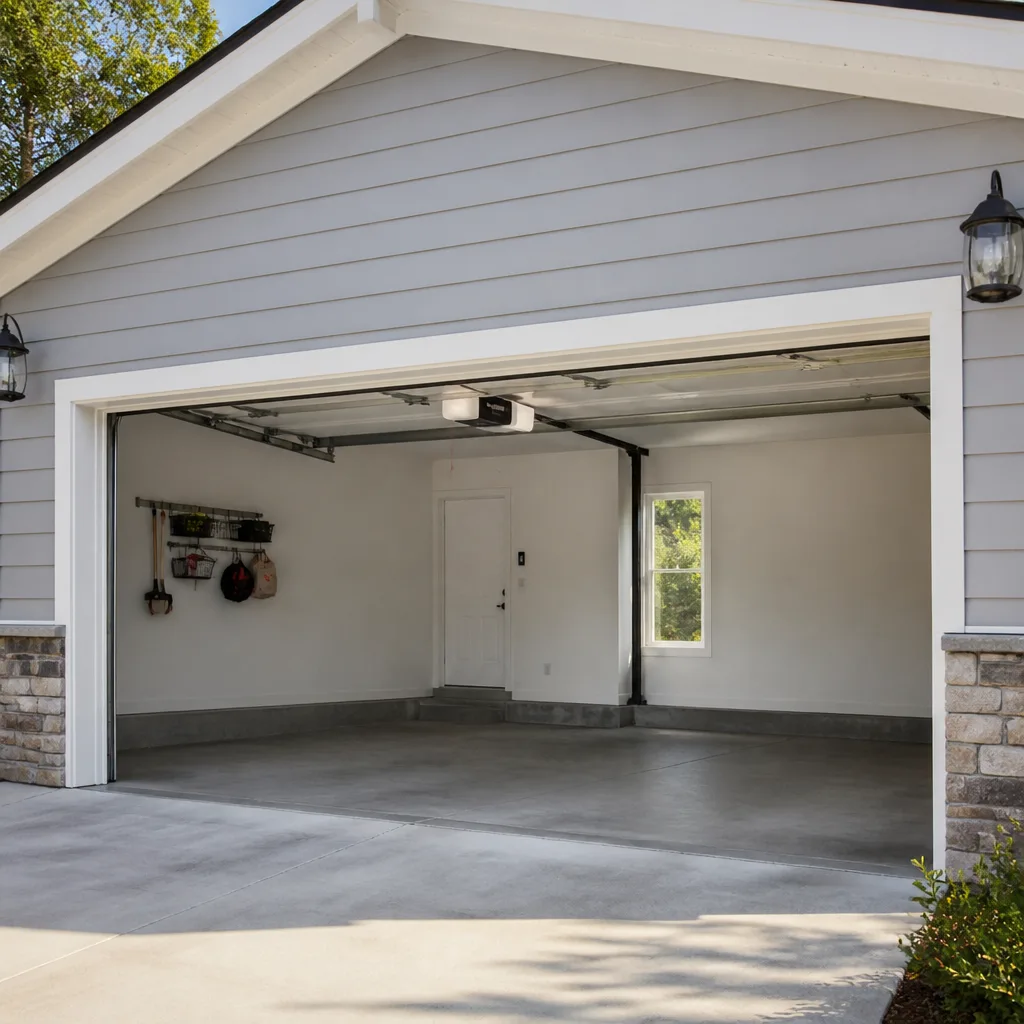 Chamberlain openers
Full 25-point door and opener safety check with every visit - springs, cables, rollers, tracks, and your LiftMaster or Chamberlain opener included
You get a price before we start. It does not change when the pro arrives.
Get your free estimateGarage Door Emergency Preparedness Guide for Milwaukee Homes
When a spring snaps on a Monday morning in January and your car is inside, most Milwaukee homeowners have no idea how the manual release works or whether pulling it is even safe with a broken spring. That gap in knowledge is what turns a repair into a dangerous afternoon. The instinct to force the door, yank the red cord, or prop it with whatever’s in the garage is exactly what leads to bent panels, snapped cables, and injuries. This guide covers the three scenarios that hit Milwaukee garages hardest: a winter power outage, a door frozen open in a hard freeze, and a broken spring with a vehicle trapped inside. You’ll learn what to do first, what never to touch, how to secure a door that won’t close, and what to have ready when you call so a technician can actually fix it the same day.
Quick Answer
In a garage door emergency, keep people and vehicles clear of the door, don’t force it, and don’t pull the manual release if a spring or cable is broken – the door can drop. Call (866) 942-7695, describe what failed, and have your door and opener brand ready. We answer 24/7. Fast dispatch from 7am to 7pm, Sunday through Friday.
Styles & brands we work with
- Raised-panel steel
- Carriage house
- Modern flush
- Full-view glass
- LiftMaster openers
- Chamberlain openers
Table of Contents
- Why Milwaukee Garages Fail Differently in Winter
- Power Outage Protocol for Milwaukee Winters
- How to Use the Manual Release Safely (and When Not To)
- Door Stuck Open in a Freeze
- When the Door Comes Off the Track
- Securing a Door That Won’t Fully Close
- What to Have Ready When You Call
- Common Mistakes to Avoid
Why Milwaukee Garages Fail Differently in Winter
Milwaukee winters put a specific kind of stress on a garage door. The freeze-thaw cycle that runs from late fall into early spring works on the bottom seal, the weatherstripping, and the metal itself. A door that operated smoothly in October can bind, stall, or freeze to the floor by January. That’s not a defect in the door – it’s the climate doing what it does every year, and knowing it in advance is half of being prepared.
Cold affects garage door systems in predictable ways:
- Grease thickens. Lubricant on rollers, hinges, and the opener’s rail gets stiff in freezing temperatures, so the door drags and the motor works harder.
- Seals freeze to concrete. Moisture under the bottom seal turns to ice overnight, bonding the rubber to the slab. The opener strains against it, and the safety reverse can misread the resistance.
- Metal contracts. Tracks, springs, and panels shrink slightly in the cold, which throws off alignment and can cause a door to jump its track.
- Spring steel gets brittle. A torsion or extension spring that’s near the end of its cycle life is far more likely to snap in a cold snap than in mild weather.
Homes across Milwaukee – from the older stock on the east side to the newer subdivisions on the northwest side – deal with this every season. The garages attached to 1920s bungalows and the ones under 1990s construction fail in different ways, but the winter pressure is the same. Preparation means knowing which failure you’re most likely to face and having a plan before it happens.
Power Outage Protocol for Milwaukee Winters
When the power goes out in a Milwaukee winter storm, your first job is to leave the door alone until you’ve checked the situation. A garage door opener with no power is holding the door in whatever position it was in when the electricity cut. Do not assume you can just walk out and lift it. If the door is closed and the opener’s carriage is still engaged, the door is locked to the rail and won’t budge until you release it.
Here’s the sequence that works:
- Confirm the outage. Check whether your neighbors have power and whether the opener’s light or display is dead. A tripped breaker or a failed opener looks like an outage but isn’t.
- Locate the manual release cord. It’s the red-handled rope hanging from the opener carriage, usually near the center of the door’s travel.
- Assess the door before pulling anything. Look at the springs and cables. If a spring is broken or a cable is slack or off its drum, do not pull the release. Call a professional.
- If the door and hardware look intact, pull the release straight down and lift the door by hand, holding it firmly. On a healthy door it should feel balanced, not heavy.
- Close it by hand only if you can control the descent. A door that won’t stay up on its own has a balance problem and needs service.
The reason to be careful is that once you disengage the opener, the door is no longer held by anything but its springs and your hands. If the spring is weak or broken, the full weight of the door comes down. That’s why the safest move during a Milwaukee power outage is often to leave the door down, keep the car put, and call for help rather than improvise in the cold.
How to Use the Manual Release Safely (and When Not To)
Every standard opener has a manual release, and the standard tutorial you’ll find online assumes the door is in good working order. When a spring is broken, that tutorial becomes dangerous advice. The release disconnects the opener from the door, and on a balanced door that’s fine. On a door with a broken spring, the opener was the only thing holding it up – pull the release and the door comes down hard. This is the single most important thing to understand about manual releases in an emergency.
Here’s the distinction that matters:
- Power out, spring intact: The release is safe to use. The door should lift and lower by hand with reasonable effort because the springs are doing the balancing.
- Spring broken, door down: Do not pull the release. The door is already at the bottom, and pulling the cord won’t help you get the car out – it only removes the opener’s control. The door needs a professional repair before it can be operated.
- Spring broken, door up: Do not pull the release under any circumstance. The door is being held by the opener and the remaining spring tension. The only safe move is to keep everyone clear and call for emergency service.
If you’re not sure whether a spring is broken, look for the obvious signs: a visible gap in the coiled torsion spring above the door, or an extension spring hanging loose on one side. A loud bang from the garage is the classic sign a torsion spring has let go. If that’s what you heard, treat the door as dangerous until a technician inspects it. If you’ve got a LiftMaster or Craftsman opener, the release works the same way – the brand doesn’t change the risk. We work on the brand already in your garage, and any technician you call should ask the brand first, because the release mechanism and the carriage differ slightly.
Door Stuck Open in a Freeze
A door stuck open in a hard freeze is the opposite problem – and for Milwaukee homes in January, it’s a security and heat-loss emergency at the same time. The door may be frozen to the track, the opener may be failing to engage, or the whole system may have stopped mid-travel. Whatever the cause, you can’t leave a Milwaukee garage standing open overnight when temperatures are dropping into the single digits.
Work through the likely causes in order:
- Check the opener’s error code or light flash pattern. Most modern openers flash a specific number of times to indicate a safety sensor fault or a travel limit problem. Look up that pattern for your brand.
- Look at the safety sensors. The two eyes at the bottom corners of the door need to see each other. In winter, snow, a shovel, or frost can block them, and the opener will refuse to close.
- Check for ice on the track and seal. If the door is frozen to the floor or the track, forcing it – by hand or by holding the opener button – can snap a cable or bend a panel. Don’t force it.
- Clear the driveway approach. Piled snow against the door can block the bottom panel and keep the safety reverse from completing.
- If it still won’t move, leave it and call. A frozen door needs to be thawed and the hardware checked, not forced.
To keep the house secure and the pipes from freezing while you wait, close the door by hand if you can control it, or block the opening from inside. Don’t leave it wide open with the heat running.
When the Door Comes Off the Track
A door that comes off the track is the most dangerous garage door failure there is, because the panels can fold, the cables can whip, and the whole assembly can collapse. If you walk into the garage and see the door leaning or a roller popped out of the track, stop. Do not touch the door, the rollers, or the cables. This is the one scenario where the right move is always to back away and call.
Here’s the do-not-touch list before a technician arrives:
- Don’t try to lift or straighten the door. The springs may still be under tension and the weight is unpredictable.
- Don’t push a roller back into the track by hand. The door can shift and drop.
- Don’t touch the cables. These are under extreme tension. Even with the door down, a slack or loose cable can cause serious injury if handled.
- Don’t run the opener. Hitting the button can twist the door further and cause more damage.
- Don’t prop the door with ladders or blocks. It’s not secure, and it hides the real danger from anyone else in the house.
If the door is off-track and partway up, keep people and vehicles out of the garage and don’t park under it. Secure the area – keep kids and pets away – and call for emergency service. A door that’s come off the track needs a technician who can safely take the tension off the springs before doing anything else. This is not a job to handle yourself.
Securing a Door That Won’t Fully Close
A door that won’t close all the way is a security problem and, in Milwaukee’s cold, a heat problem. But the wrong fix can make it worse. Tying the door down or wedging it can bind the panels and snap a cable, and propping it from the bottom puts you directly under a door that’s not held by anything reliable. Here’s what actually works while you wait for service.
Temporary options that work:
- Close the door by hand and let the panels rest evenly on the floor if the door is balanced and the springs are intact.
- Disengage the opener and lower the door manually only if the door moves freely by hand and stays up on its own when lifted partway.
- Use a block or wedge only at the very bottom center of the door to hold it closed against the seal – never to prop it open.
- Pull a car up close to the outside of the door as a physical barrier overnight while you wait, if the door is mostly down.
Options that create more damage:
- Tying the door down with rope or straps – the pressure bends panels and can pull the door off the track.
- Wedge the bottom from the inside – if the door shifts, the wedge turns into a hazard.
- Holding the opener button to force it closed – the safety reverse will fight you, and the opener can burn out its logic board.
- Shoving a broomstick under the door – it looks like a fix and isn’t one.
The real fix is a technician inspecting the door’s balance, the sensors, and the track. If it’s a sensor problem or an opener issue, garage door opener repair is often a same-day job. If the torsion spring or cable is the problem, the door needs a proper repair before it will close reliably.
What to Have Ready When You Call
The single biggest factor in whether a technician can fix your door the same day or needs to order parts is what you can tell them on the phone. A garage door is a system of springs, cables, rollers, tracks, and an opener, and specific hardware matters. If you call with the right information, the person on the other end knows immediately whether the fix needs a part they carry or a special order.
Have these ready before you dial:
- The door brand and model. Look for the sticker inside the door frame or on a panel edge. Clopay, Amarr, Wayne Dalton, Raynor – knowing the brand tells the technician what hardware to expect. Older Milwaukee homes sometimes still have a Craftsman-branded door or opener.
- The opener brand and age. LiftMaster and Chamberlain are the most common, but the model matters because smart-home and legacy openers need different parts. If the opener is Wi-Fi enabled, note it.
- What happened and in what order. “Heard a bang, then the door wouldn’t lift” tells us it’s a spring. “Door started jerking and stopped halfway” suggests a track or opener issue. “Power came back and the door won’t move” points to a sensor or logic fault.
- Where the door is now. Up, down, or partway. This determines whether the door is dangerous and whether you need emergency help first.
- Whether a car is trapped. This changes the priority and the plan.
- Your address and driveway situation. Whether you can clear a path for a technician to reach the door matters.
Give us those details and we can tell you whether it’s a same-day repair or a part order, and we can quote the price before any work starts. That’s the Honor promise in practice: an honest assessment before work begins, not after the invoice. If you’re not sure how to read a door’s sticker, take a photo and we can work it out from that.
Common Mistakes to Avoid
- Pulling the manual release on a door with a broken spring. This is the most common and most dangerous mistake. The opener is often the only thing holding the door up, and pulling the cord removes it.
- Forcing a frozen door. In a Milwaukee freeze, the door can be bonded to the seal or the track. Forcing it – by hand or with the opener – bends panels and snaps cables. Clear the ice and thaw it instead.
- Propping a stuck-open door with a ladder. It looks secure and isn’t. It also hides a dangerous situation from anyone else in the house.
- Ignoring the safety sensors in winter. Frost, snow, and ice on the eyes is the single most common reason a door won’t close in Milwaukee. Check them before you assume the opener is failing.
- Running the opener on an off-track door. If the door has jumped the track, hitting the button twists the panels and can cause a collapse.
- Calling without the brand and model. Without it, the technician may need a return trip for parts, and a same-day fix becomes a next-week one.
- Letting a garage door repair wait on a warning sign. A shaking door, a loud opener, or a door that won’t stay up is a signal. Ignoring it for a season is how a Milwaukee homeowner ends up with a spring failure in the worst weather.
See the difference
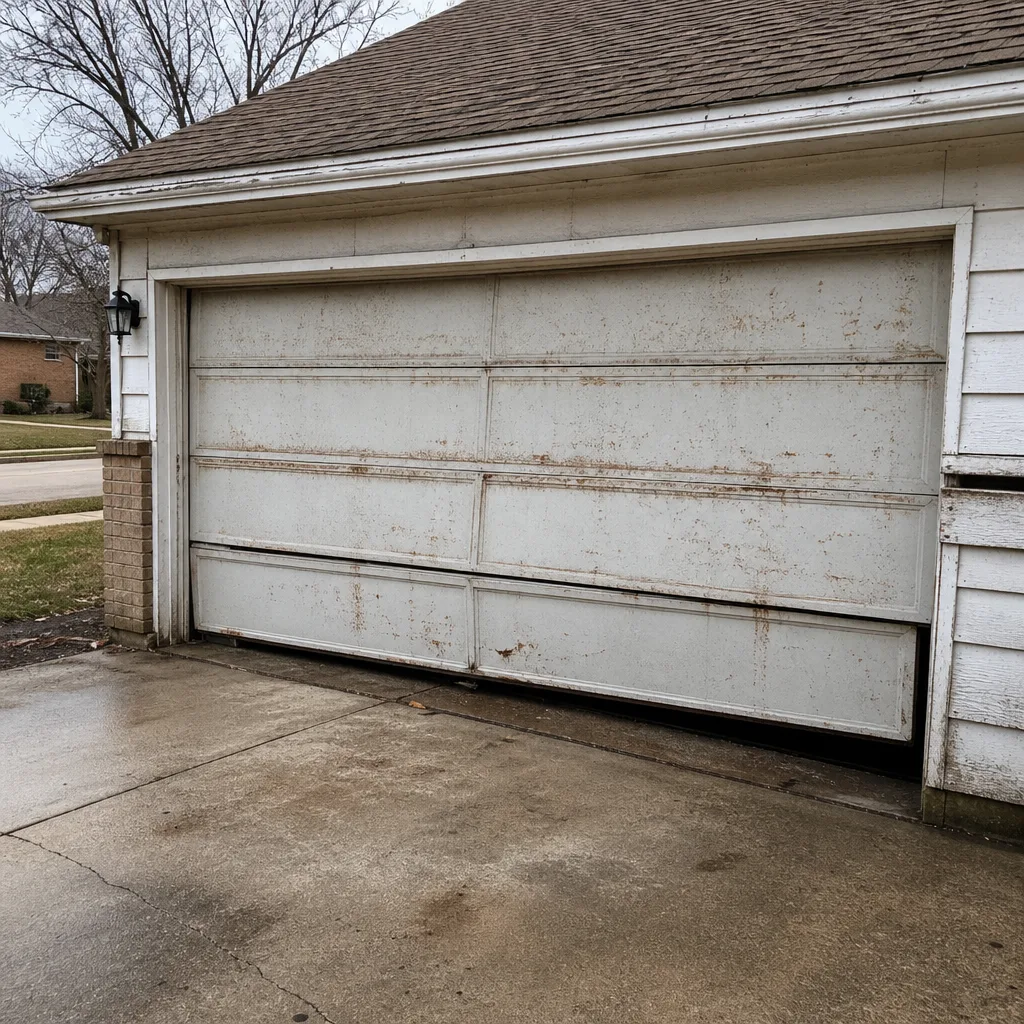 Before
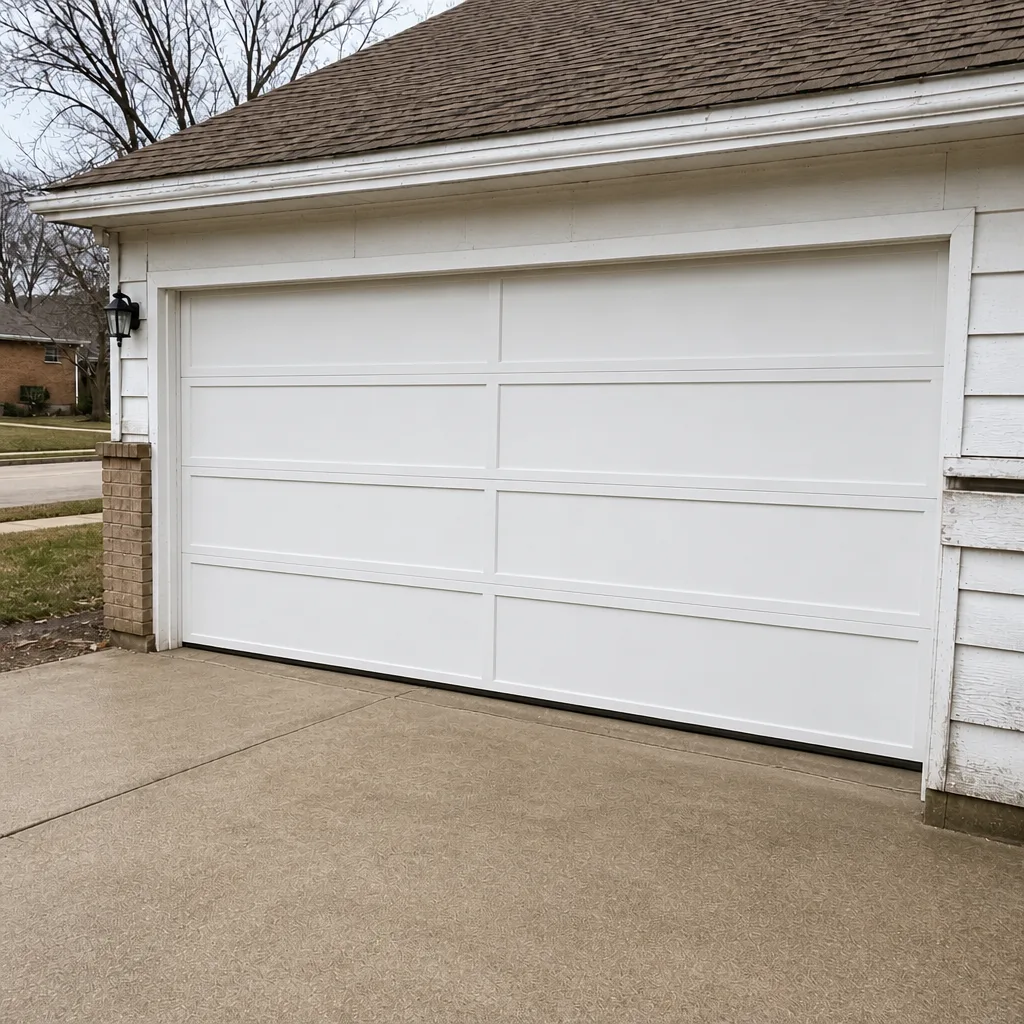 After
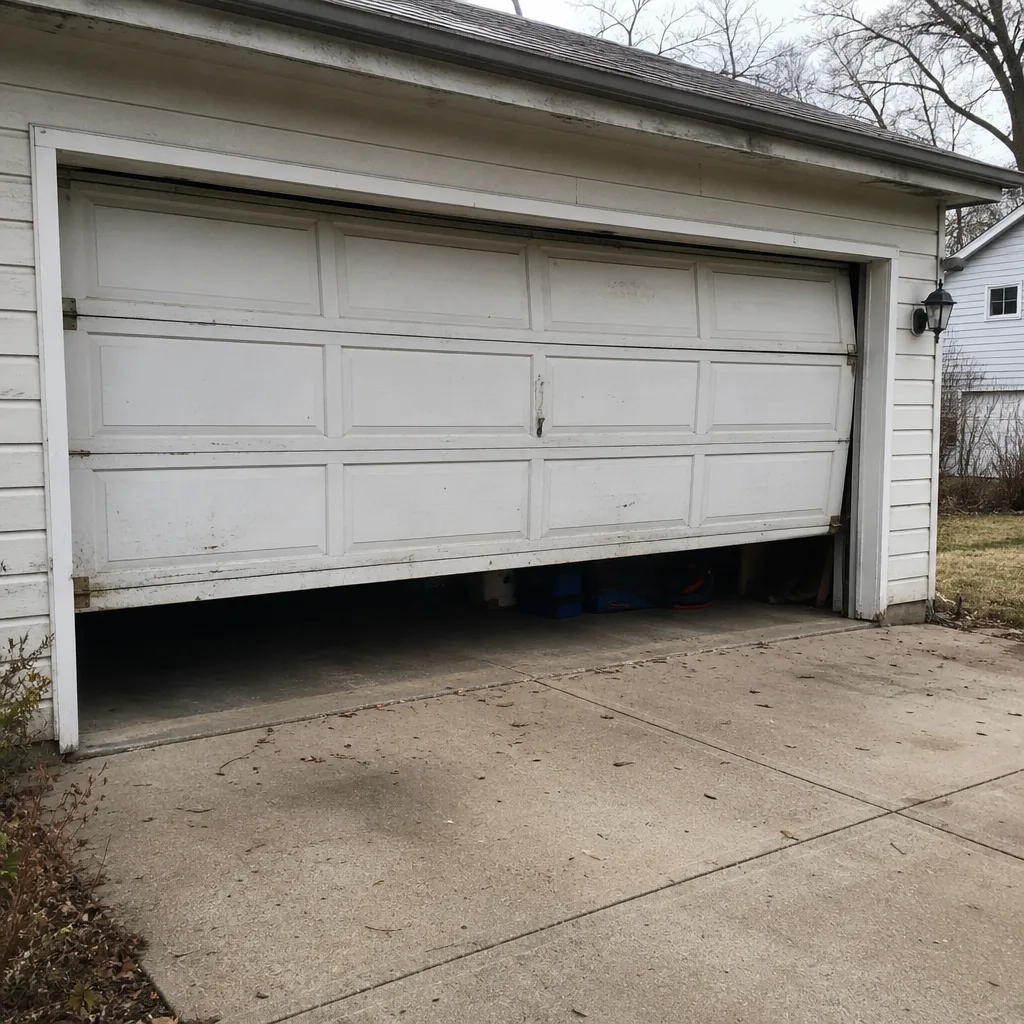 Before
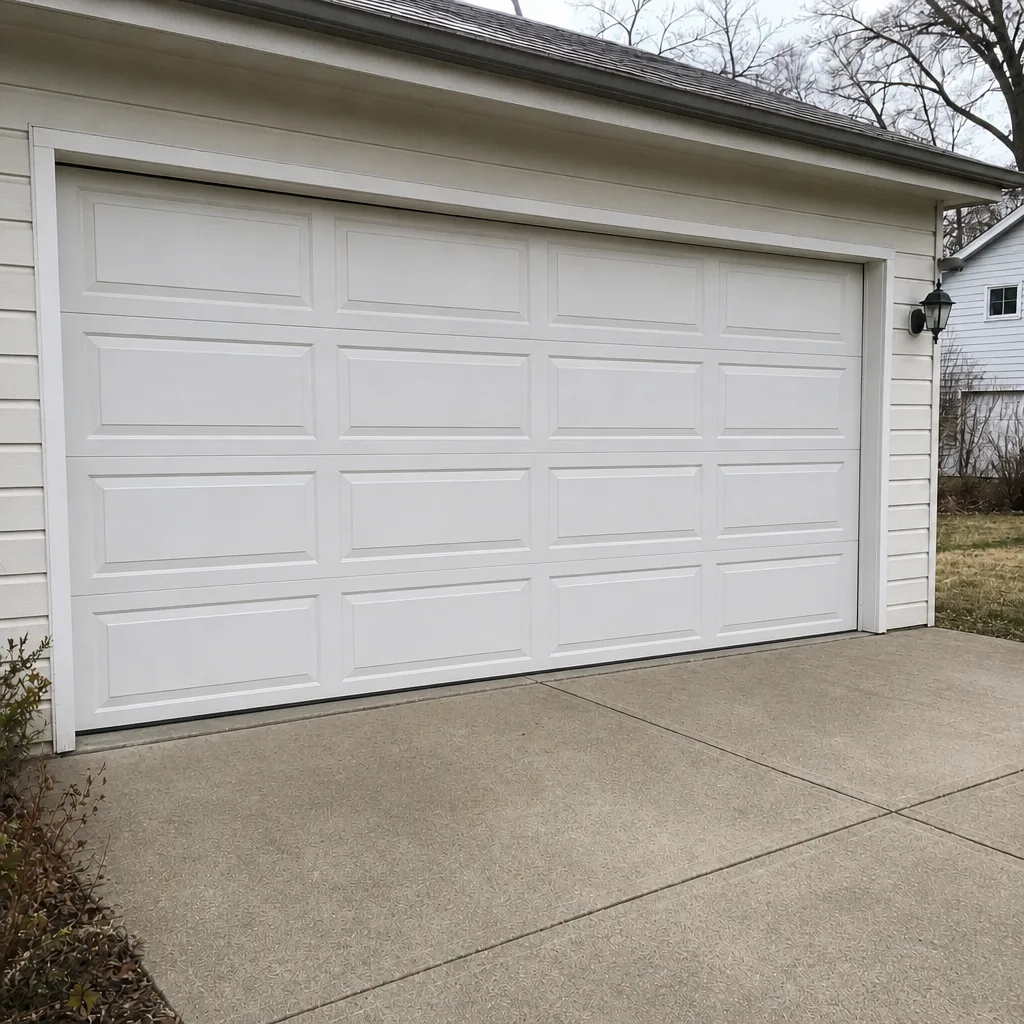 After
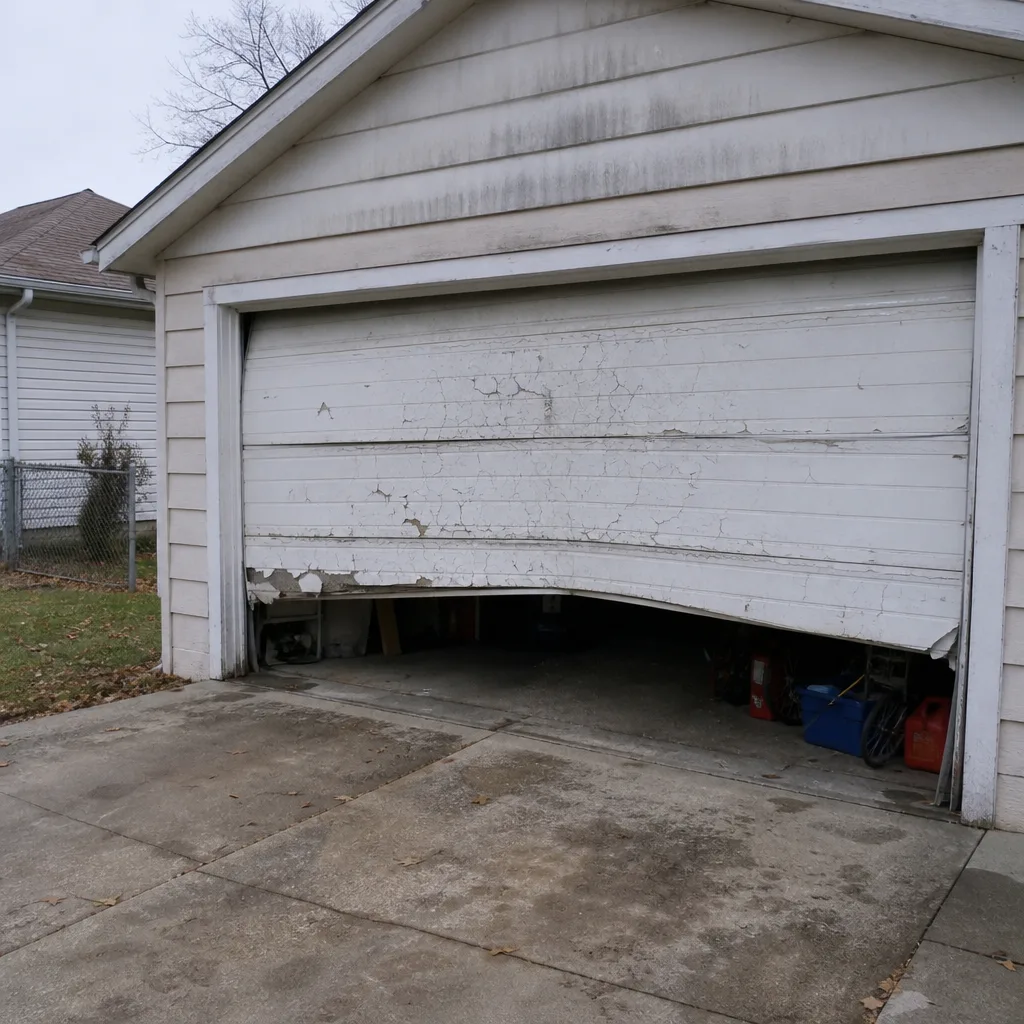 Before
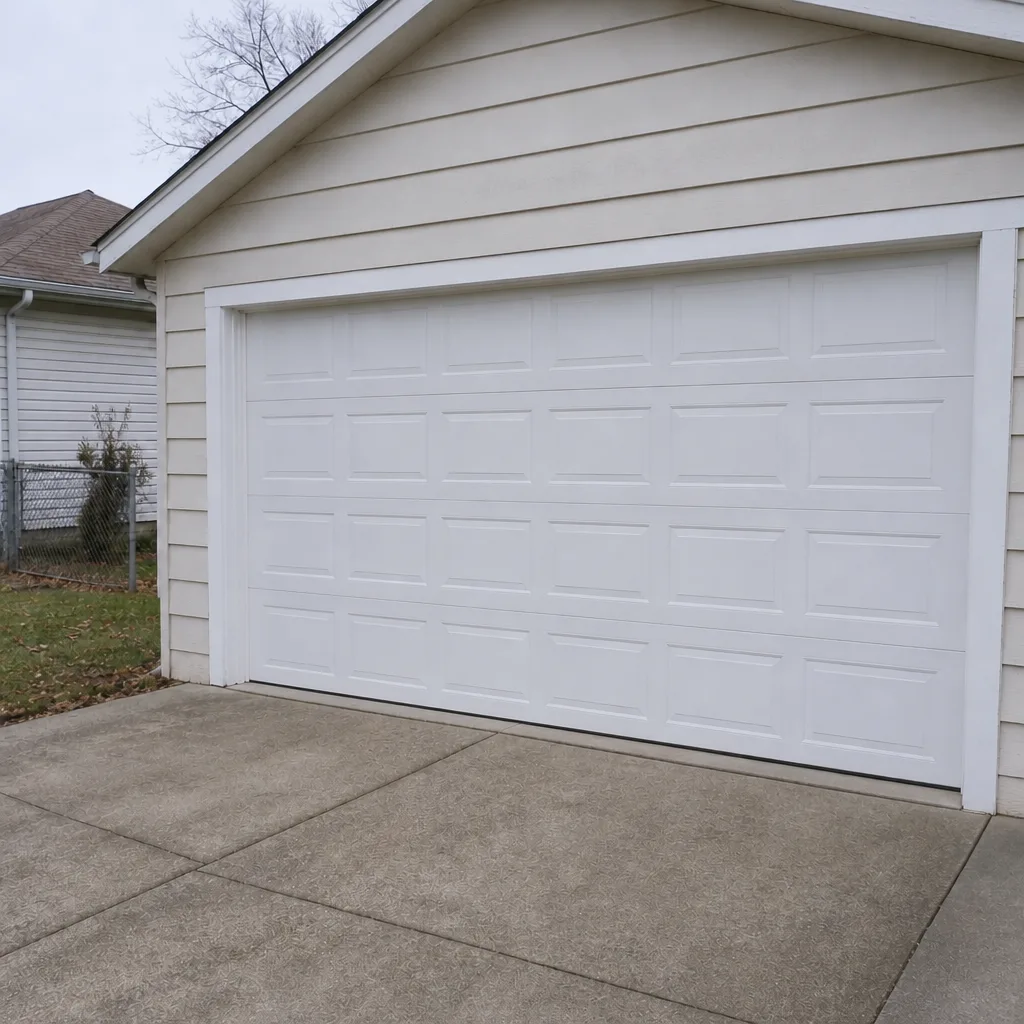 After
When to Call a Professional
Call a professional when a spring is broken or a cable is slack, when the door is off its track, when the opener is running but the door isn’t moving, or when you’re not sure whether any of those are true. Those are the cases where a do-it-yourself fix turns into a medical bill or a damaged door. A Milwaukee winter makes every one of these worse, because the cold puts more load on hardware that’s already tired.
The good news is that most emergencies are preventable with maintenance – and most failures that can’t be prevented can be fixed quickly when the right part is on hand and the brand is familiar. We work with 8 of the most widely owned door and opener brands, including LiftMaster, Chamberlain, Genie, Clopay, Amarr, Wayne Dalton, Craftsman, and Raynor, so we know the hardware in your garage before we arrive. Honor Garage Door Repair offers free estimates in Milwaukee – call (866) 942-7695. We answer 24/7. Fast dispatch from 7am to 7pm, Sunday through Friday, and same-day service on most repairs.
Frequently Asked Questions
Keep everyone away from the door, do not pull the manual release, and do not force the door by hand. A broken spring means the door is being held by the opener and whatever remaining tension is in the system, and pulling the release can drop the door. Call (866) 942-7695 and tell us the brand, the door position, and that a car is trapped. Same-day service is often possible.
Yes, but only if the springs and cables are intact. Pull the red release cord hanging from the opener carriage, then lift the door by hand – it should feel balanced, not heavy. If the door is hard to lift or won’t stay up, the spring is likely weak or broken, and you should call a professional rather than risk the door coming down.
The most common cause is a frozen bottom seal or blocked safety sensors. Ice under the seal bonds it to the concrete, and frost, snow, or a shovel in front of the sensor eyes stops the opener from closing. Clear the sensor path and check the seal. If the door still won’t close, the problem is likely the opener’s travel limit or a track issue, and it needs service.
Pricing is set per job by a free written estimate, so the number depends on what failed and what parts your door needs. There’s no premium for same-day or emergency work – the estimate is agreed before any work starts, and that’s the price. Call (866) 942-7695 for a free estimate and we’ll tell you what it will cost before we begin.
No. A door that’s off its track is the most dangerous garage door failure, because the springs and cables are still under tension and the panels can collapse. Keep people and vehicles clear, don’t run the opener, and don’t touch the cables or rollers. Call for emergency service and let a technician take the tension off safely before anything else happens.
Have your door brand and model, your opener brand, what happened and in what order, where the door is now, whether a car is trapped, and whether a technician can reach the door. That’s what lets us tell you on the phone whether we have the part or need to order it. Call (866) 942-7695. We answer 24/7, with fast dispatch from 7am to 7pm, Sunday through Friday.
The Bottom Line
Most Milwaukee garage door emergencies come down to three scenarios: a winter power outage, a door frozen open or closed in a freeze, and a broken spring with a car trapped inside. The safe response is the same in all three: don’t force the door, don’t pull the manual release if a spring or cable is broken, and call for help rather than improvise. Have your door and opener brand ready when you call, because that’s what determines whether the fix is same-day. A little preparation in fall – a check of the springs, the seal, and the opener – prevents most of what winter throws at a Milwaukee garage. When it does fail, Honor Garage Door Repair covers garage door repair, garage door opener repair, and new installation, so one call covers the whole system. If you’re searching for a garage door company in Milwaukee that will tell you what’s actually wrong before touching anything, that’s the promise behind the name.
Call (866) 942-7695 for a free estimate. We answer 24/7. Fast dispatch from 7am to 7pm, Sunday through Friday. We work on the brand already in your garage – LiftMaster, Chamberlain, Genie, Clopay, Amarr, Wayne Dalton, Craftsman, and Raynor – and our technicians have up to 15 years of experience. Repair, opener service, or a full new door: one call covers it. We say what we’ll do, then we do it.
Written by the team at Honor Garage Door Repair.