
Last updated November 15, 2026
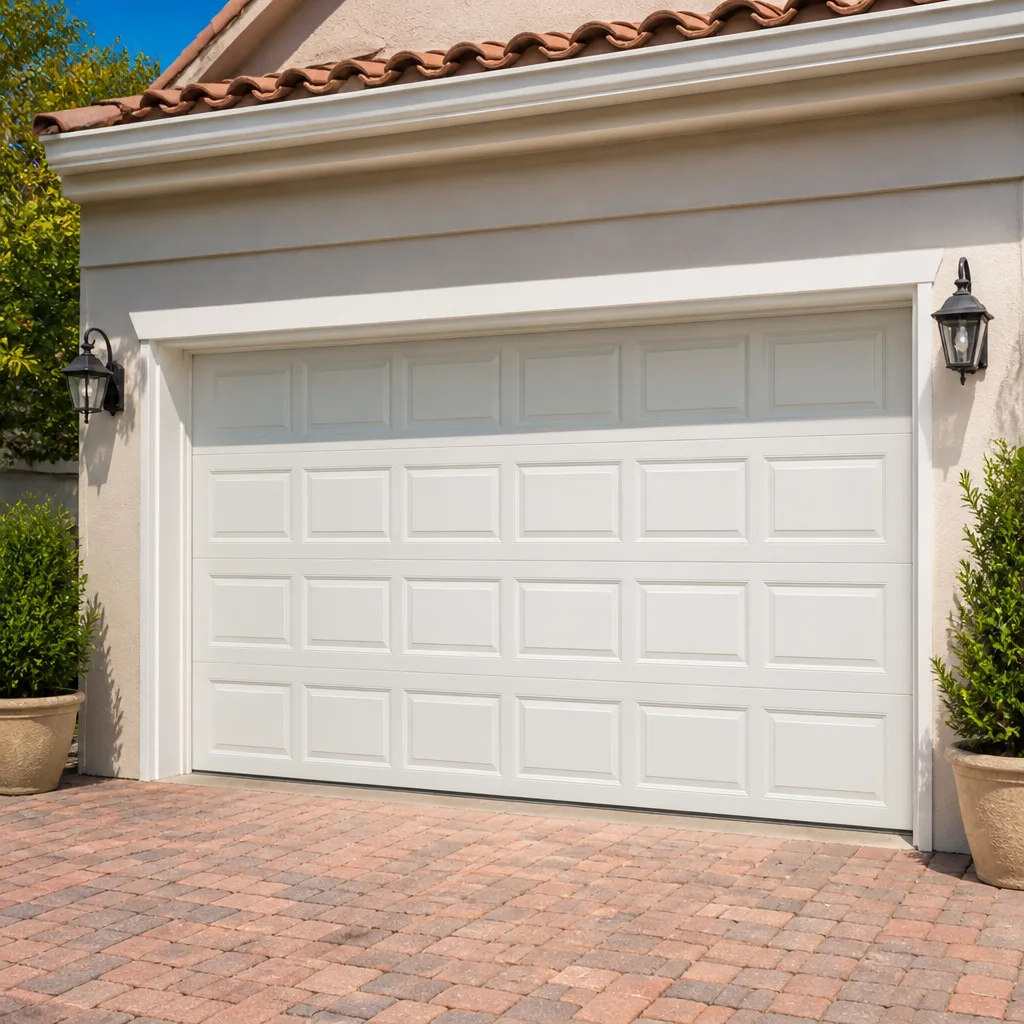 Raised-panel steel
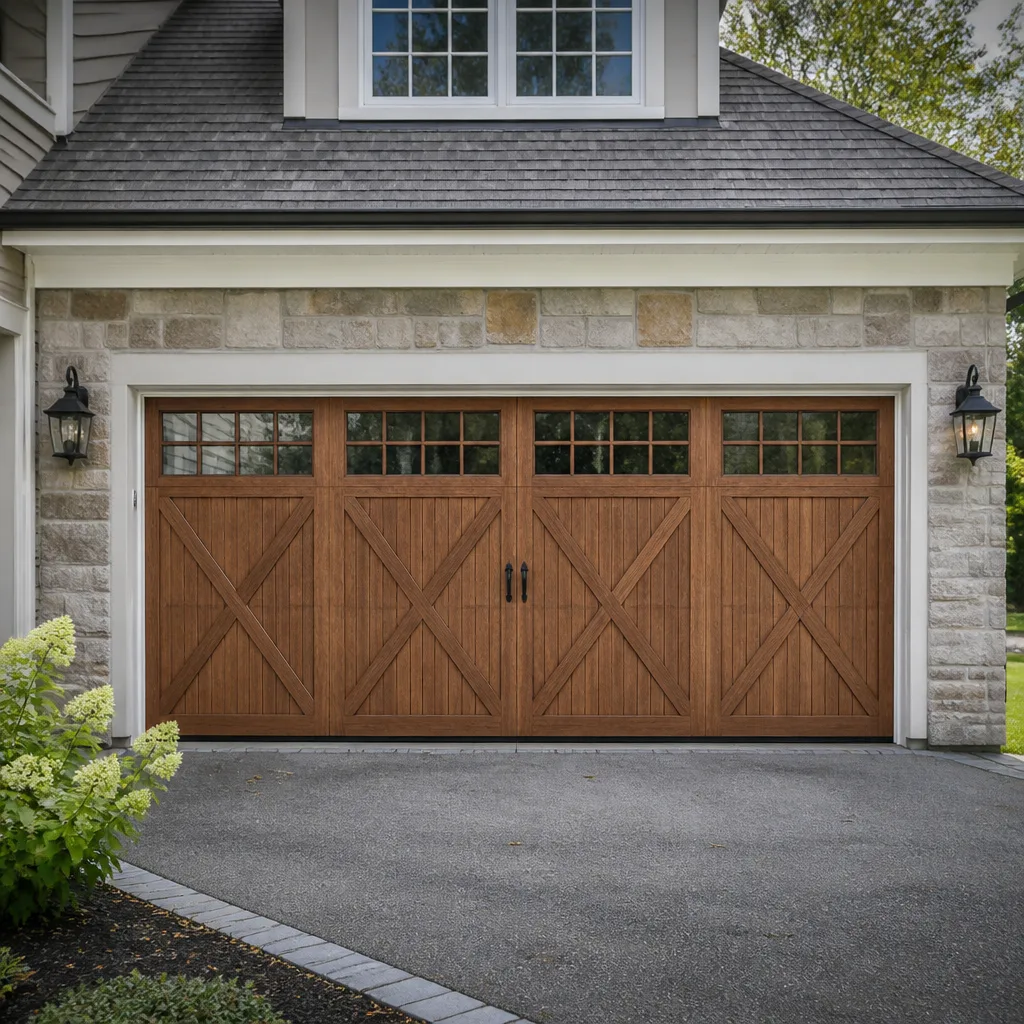 Carriage house
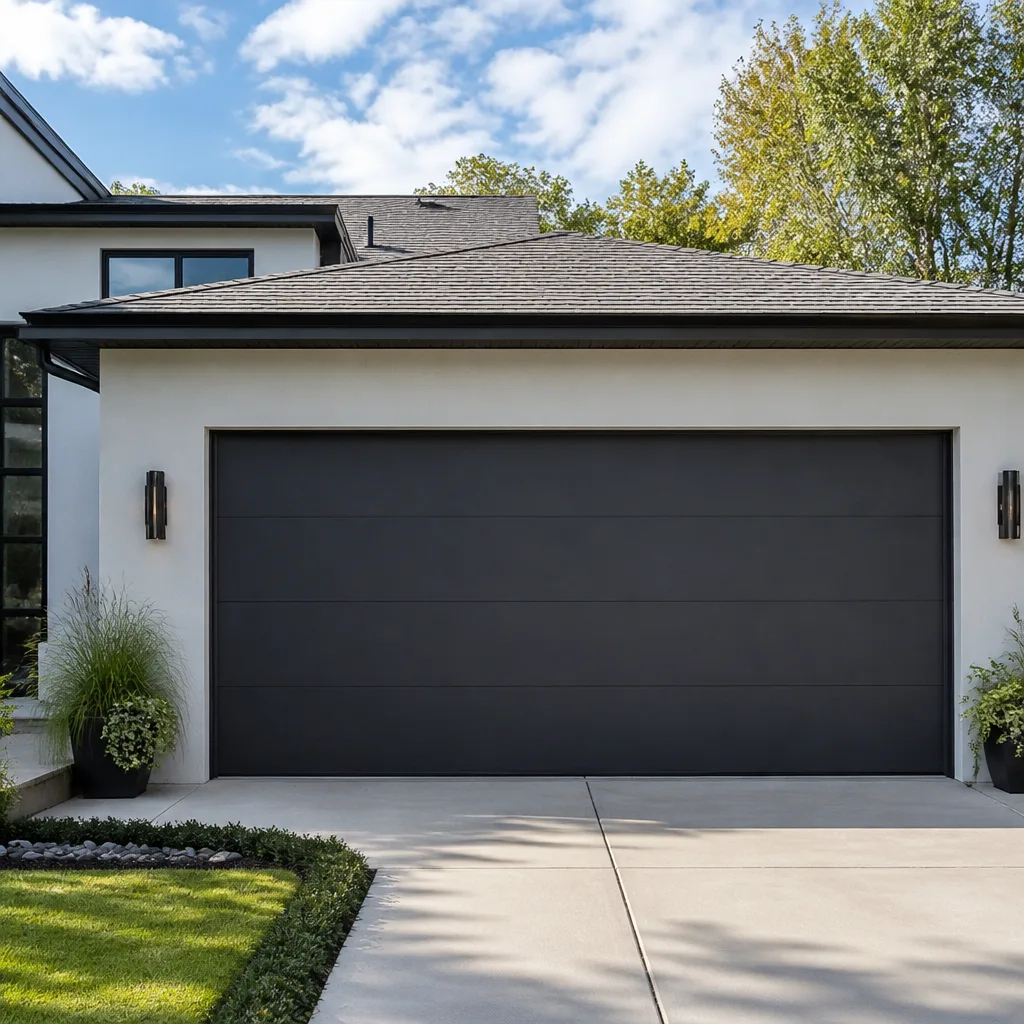 Modern flush
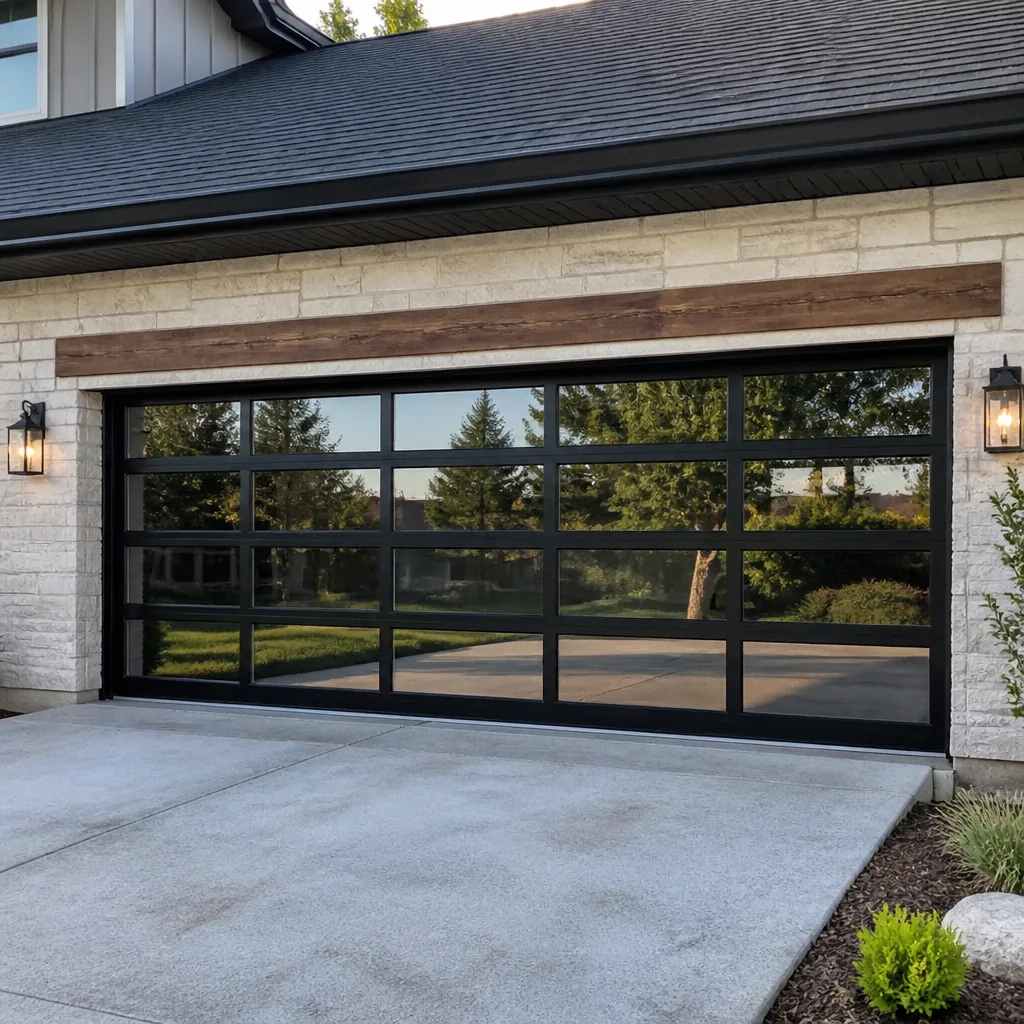 Full-view glass
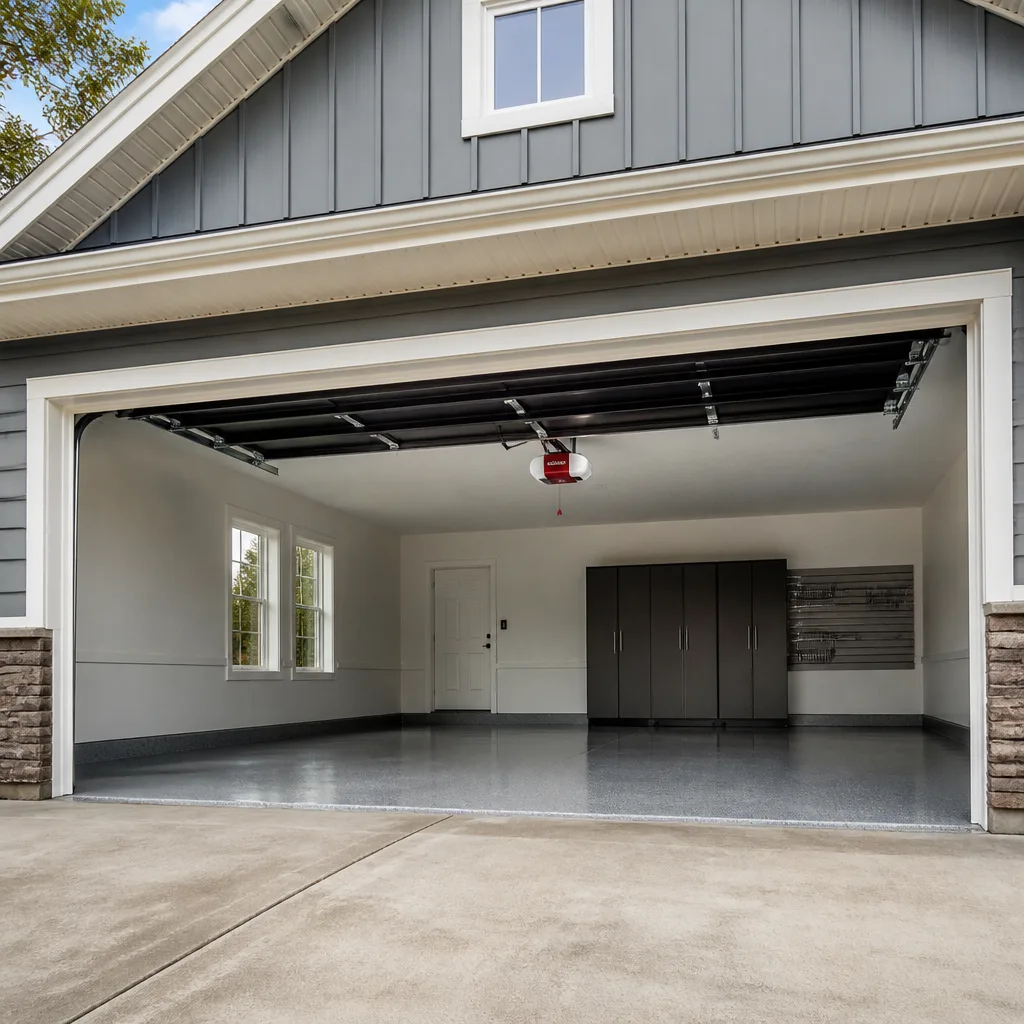 LiftMaster openers
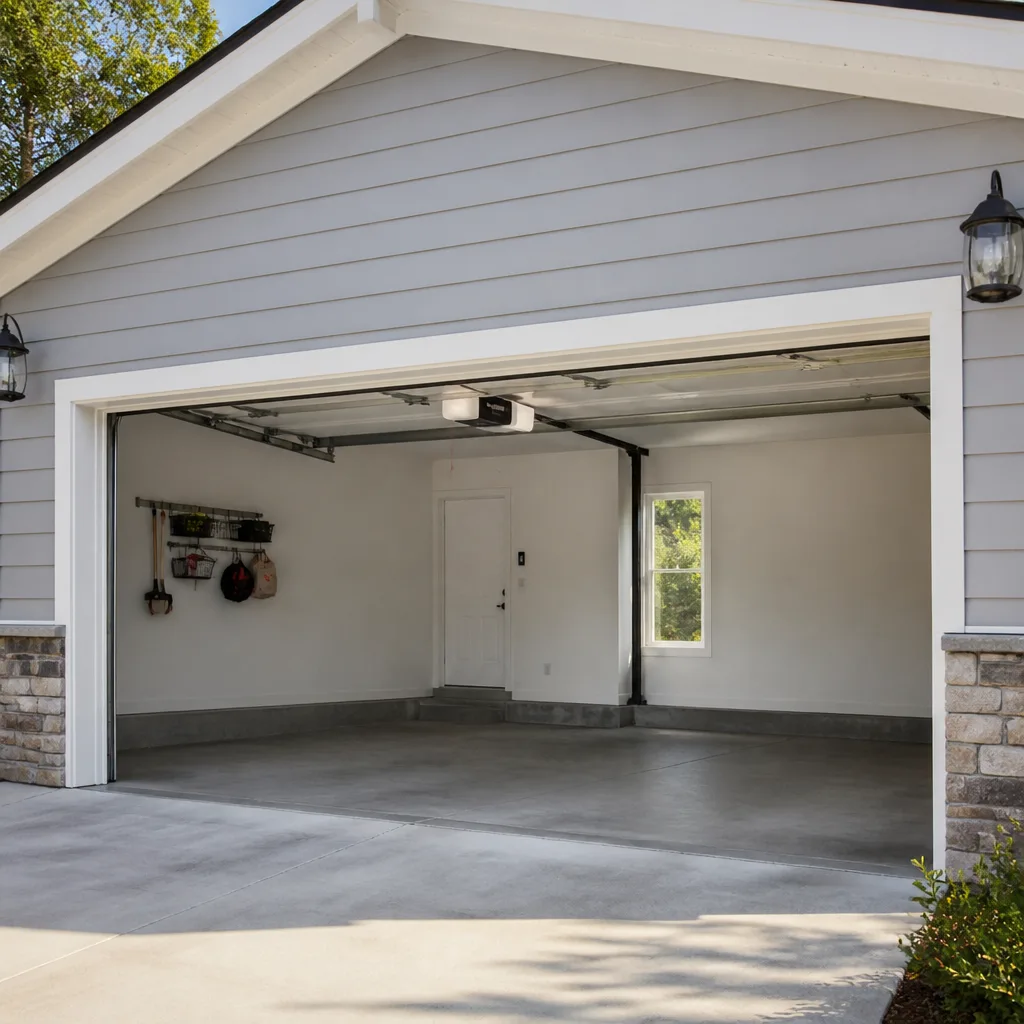 Chamberlain openers
Full 25-point door and opener safety check with every visit - springs, cables, rollers, tracks, and your LiftMaster or Chamberlain opener included
You get a price before we start. It does not change when the pro arrives.
Get your free estimateGarage Door Repair Maintenance Schedule: What to Do and When
The single most common reason garage doors in Milwaukee fail in January isn’t the cold itself. It’s that a five-minute task in October got skipped, and metal parts that should have been slick with lubricant contracted and seized when the first hard freeze settled in. Here’s the part most checklists miss: garage door maintenance is not a monthly chore. It’s a calendar. The tasks that matter in Milwaukee are tied to when the seasons turn here, not to a generic list that assumes a mild climate. What follows is a year-long schedule built around our weather, our housing stock, and the brands we work on every day. You’ll learn what to do, when to do it, which lubricant goes where, and which tasks need a trained professional rather than a homeowner with a can of spray.
Quick Answer
A garage door needs attention twice a year for lubrication and a balance test, plus a handful of seasonal checkpoints tied to Milwaukee’s weather: pre-winter prep in October, a post-thaw realignment check in April, and a humidity inspection in July. Springs, cables, and opener tension should be checked by a professional rather than adjusted yourself. Skip the October lubrication and April inspection and small wear turns into a snapped spring or a door that won’t close when you need it most.
Styles & brands we work with
- Raised-panel steel
- Carriage house
- Modern flush
- Full-view glass
- LiftMaster openers
- Chamberlain openers
Table of Contents
- Why a Calendar Beats a Checklist
- Spring and Fall: The Two Anchor Points
- The Right Lubricant for Each Component
- The Balance Test Every Homeowner Should Run Twice a Year
- Milwaukee Month-by-Month Calendar
- Opener Chain and Belt Tension: Adjust or Leave Alone?
- Maintenance Tasks That Protect Your Manufacturer Warranty
- Common Mistakes to Avoid
- When to Call a Professional
Why a Calendar Beats a Checklist
A generic maintenance checklist tells you to lubricate “regularly” and inspect “periodically.” That’s not useful. What matters is the timing relative to Milwaukee’s four distinct seasons and the way a door actually wears. A torsion spring winding 7,000 to 10,000 cycles over its life doesn’t care about a neat monthly schedule. It cares about whether the metal stayed free of rust and friction during the freeze-thaw swings that define our winters.
The city’s climate produces a very specific kind of wear. Our winters bring extended stretches below freezing, and metal contracts when it’s cold. Lubricant applied too late leaves those parts dry through the worst of it. Then spring arrives with a long thaw, and the freeze-thaw cycle of March and April loosens fasteners, shifts tracks, and turns small gaps into bigger ones. A door that ran fine in November may be out of alignment by May, and nobody noticed because no one looked.
Summer humidity is its own problem. Wooden doors, still common in older Milwaukee neighborhoods, absorb moisture and swell in July. If your door has wood panels, watch panel seams during the muggy stretch. Steel and aluminum doors don’t swell, but they can still shift if the framing around them takes on moisture.
The point of a Milwaukee calendar is simple: do the right task at the right moment and most of the expensive failures never happen. What follows maps that out month by month, so you’re working with the season rather than reacting to a breakdown. For homeowners who’d rather have a trained eye confirm the state of their door, our garage door repair team can look before a small problem becomes a large one.
Spring and Fall: The Two Anchor Points
If you do only two things all year, do them in October and April. These are the anchor points of the whole schedule because they bracket the season that does the most wear. Everything else is refinement around these two check-ins.
October: Pre-Winter Prep
October is the money month. The goal is to have everything lubricated, tight, and sealed before the first hard freeze. Numbers matter more than vibes here, so run this in order:
- Lubricate the torsion springs, hinges, rollers, and bearing plates. Not the tracks. (More on that in the lubricant section.)
- Test the balance by hand: disconnect the opener and lift the door halfway. It should hold there without help.
- Check weatherstripping along the bottom edge and sides. Cold air and moisture driving underneath is the leading cause of a door that sticks in January.
- Look for loose hinge screws and tighten any that turn freely. Add a drop of thread-lock if a screw keeps backing out.
- Clear the tracks of debris with a rag and a dry brush. Never coat the tracks with lubricant.
- Look for rust flecks on the springs and hinges. Once corrosion starts, it accelerates through the winter.
April: Post-Thaw Realignment Check
April is the check-up after a long winter. Freeze-thaw cycles loosen things and shift tracks. Run these in order:
- Run the balance test again. A door that held in October but won’t hold in April tells you a spring is losing tension.
- Inspect the tracks for any bend, narrowing, or debris buildup. A track that’s out of alignment is a call-a-professional situation.
- Check the gap between the door and the ground. If it’s widened since fall, the door has shifted and the weatherstripping may need adjustment.
- Test the safety reverse. Place an object in the path and close the door; it should reverse on contact.
- Clean and re-lubricate anything that dried out through the winter.
- Listen for new sounds: grinding, squealing, or a rhythmic pop. These are early warnings.
The Right Lubricant for Each Component
Lubricant choice matters more than most people think, and the most common mistake we see is spraying WD-40 on the springs. Standard WD-40 is a solvent-based product with a light oil, not a true lubricant. It’s great for loosening a rusty bolt. On a torsion spring it thins out quickly, attracts dust, and leaves the metal drier than before, which accelerates wear. Use it on a hinge bolt if you like. Don’t use it on springs.
Here’s what belongs on each part:
- Torsion springs and extension springs: A lithium grease or a silicone spray designed for garage doors. White lithium grease is the standard and holds up through cold weather better than thinner oils.
- Hinges and bearings: A few drops of motor oil or a silicone spray. Every few months, not every week.
- Rollers: Nylon rollers usually need nothing. Steel rollers want a light silicone spray on the bearing, not the wheel.
- Tracks: Nothing. A dry rag and a brush. Lubricant on the track attracts dust and grime, which makes things worse.
- Weatherstripping: A silicone spray, sparingly, to keep the rubber supple and prevent cracking in the cold.
Don’t substitute chain lube or bike grease. They work fine in a garage in July and get sticky and thick in January. On a Clopay or Amarr door with steel bearings, the wrong lubricant is one of the small mistakes that shows up as a squeal by February. Apply grease lightly. You want a thin film, not a glob. Excess grease drips, attracts grit, and makes a mess of the door.
The Balance Test Every Homeowner Should Run Twice a Year
The balance test is the single best early-warning tool a homeowner has. It catches a torsion spring that’s losing its tension long before it snaps, and it takes about two minutes. Run it in October and again in April, or any time the door starts feeling heavy.
Here’s the exact sequence:
- Close the door and pull the emergency release cord on the opener. This disconnects the door from the opener so you’re testing the door alone.
- Lift the door by hand to about halfway up.
- Let go. A well-balanced door stays exactly where you left it.
- If the door sinks slowly, the springs are losing tension. If it drops quickly, that’s a warning sign. If it rises on its own, it’s over-tensioned.
- Test it three more times at different heights: fully closed, halfway up, and three-quarters up. The door should hold firm at each.
- Reconnect the release and check that the opener picks up the door without a jolt.
A door that won’t hold should be inspected by a trained technician. That’s not because the test is dangerous (it isn’t, as long as you’re lifting carefully with your hands away from hinges and springs). It’s because the fix involves adjusting spring tension, and that’s the part where a mistake can seriously hurt someone. A torsion spring under load stores enough energy to break bones or worse. We never recommend a homeowner adjust spring tension, and no reputable technician will talk you through it over the phone.
If your balance test fails twice in a row, that’s a sign to stop using the door and schedule a professional inspection. A failing torsion spring usually announces itself long before it lets go. Our Honor Garage Door Repair team hears the early warning in a lot of Milwaukee calls.
Milwaukee Month-by-Month Calendar
The months that follow are ordered for how Milwaukee’s weather actually moves. Adjust slightly if you’re in a neighborhood where the weather runs a little warmer or colder, but the sequence is right for the metro.
January: If you did October prep properly, January should be quiet. Do a quick visual check for frosting on the inside of the door panel, which tells you weatherstripping is letting cold air in. If you skipped October, this is when seized springs show up.
February: The deepest cold. Leave the door alone beyond a visual inspection. Don’t add lubricant in freezing temperatures; it won’t spread evenly. If the opener sounds louder than usual, it’s the cold affecting the belt or chain tension, not a failure. Note it and check again in April.
March: The freeze-thaw cycle starts. Track alignment shifts happen now. Run the balance test and check for a widening gap at the floor.
April: The full post-thaw inspection. This is the second anchor point on the calendar, and it’s non-negotiable.
May: Weatherstripping check. Winter can crack and harden the bottom seal. Run your hand along the bottom of the closed door and feel for gaps. Clean the tracks with a dry rag.
June: Opener check. Test the safety reverse. Wipe the opener housing clean. If you have a Wi-Fi or smart-home opener (we see these on Genie and LiftMaster installs), check that the app still talks to the unit.
July: Wood door inspection. Milwaukee’s summer humidity makes wood panels swell. Watch for panel seams opening or a door that rubs against the frame. Steel doors want a touch-up of lubricant if there’s any rust appearing at the hinges.
August: Belt and chain tension on the opener. If the door is running rough, this is when the humidity and heat can nudge it out of spec. Don’t over-tighten. See the next section for how to think about it.
September: Pre-October warm-up. Clean the tracks, check for rust flecks, and put eyes on the springs. If you’re going to schedule a professional inspection, this is the window to do it before the pre-winter rush.
October: The full pre-winter prep. Full lubrication, balance test, weatherstripping check, hinge tightening. This is the anchor point of the year.
November: A quick second check after the first freeze. Run the opener and listen for a change in sound. If the door hangs, don’t force it.
December: A quick visual check and a listen. If a spring is failing, you’ll often hear a metallic ping or pop before anything worse. Don’t wait.
The reason this calendar works is that it puts attention where the weather creates pressure. Rushing the tasks into a single “spring cleaning” misses the October window, which is the one that matters most for a Milwaukee door. If you’re in the Milwaukee area and want a professional to walk the calendar for you, we’re happy to do that.
Opener Chain and Belt Tension: Adjust or Leave Alone?
Chain and belt tension are temperature-sensitive. A chain that’s snug in July tightens in January because cold contracts metal. A belt that’s snug in October loosens by August as summer heat affects the material. The result is a door that whines, clunks, or runs a little rough in a season that’s not the one you tuned it for.
Here’s the general rule: if the door runs smoothly and doesn’t sag, leave the tension alone. Most opener manufacturers ship their units with a tension that tolerates normal seasonal swing. Chain-drive LiftMaster and Chamberlain units, and belt-drive Genie units, all have a small amount of built-in slack as a design feature. A chain that looks a little loose isn’t failing.
Signs it’s worth checking:
- A chain that sags more than an inch below the rail and slaps the rail when it runs. That’s a real tension issue.
- A belt that walks off its sprocket or wears a groove into the guide. That’s not a tension problem; that’s a stretched belt or a misalignment.
- A door that opens or closes unevenly, especially in one season.
- A loud clunk when the opener starts or stops.
Adjustment itself is usually a matter of turning a nut at the trolley or the rear bearing plate. But the exact setting varies by manufacturer. A Clopay door with a LiftMaster opener has a different spec than an Amarr door with a Genie opener. We work on the brand already in your garage, so we know the tension spec for your specific unit rather than guessing.
The mistake we see most is over-tightening. A user reads “adjust the chain” and cranks it until it’s guitar-string tight, which loads the sprocket and bearing and causes premature wear to the opener. Leave the tension in the middle of its tolerance. If you’re not sure what that means for your unit, call us for a garage door opener repair assessment. We’ll tell you whether it needs adjusting or whether it should be left alone.
One more point: newer Wi-Fi-enabled openers (most current LiftMaster, Chamberlain, and Genie models) have internal sensors that will report issues through the app. If your app is throwing errors, don’t reset it and hope. The error usually points at a real physical problem, most often the safety reverse or the force settings, not a software glitch. Have it looked at before the problem compounds.
Maintenance Tasks That Protect Your Manufacturer Warranty
Most garage door warranties, especially on newer Clopay, Amarr, and Wayne Dalton doors, require “reasonable maintenance” as a condition. What that means practically: if you never lubricate the springs and they fail prematurely, the warranty claim can be denied. If you never check the weatherstripping and the door rusts along the bottom, the claim can be denied. The exact terms are in the paperwork that came with your door, and we always recommend reading it once when you buy a new door.
The tasks that typically show up in the maintenance requirements of the major manufacturers:
- Lubrication of hinges, rollers, and springs on a scheduled interval. Usually specified as annual or twice a year.
- Visual inspection of springs, cables, and tracks for wear or damage.
- Keeping the door and its components free of rust and debris.
- Not modifying the door or its opener in a way that changes the manufacturer’s design.
That last one matters more than people think. If you install a third-party smart-home module on a LiftMaster opener that wasn’t designed for it, you may void the opener warranty even if the module works fine. Check before you install.
If you bought a new door from a builder or a previous owner and don’t have the maintenance paperwork, our team can often identify the brand and model from the door and the opener and give you the correct service intervals. Eight of the most widely owned brands (LiftMaster, Chamberlain, Genie, Clopay, Amarr, Wayne Dalton, Craftsman, and Raynor) are ones we work on regularly, and the maintenance requirements for each are pretty consistent.
Warranty aside, keeping up with these tasks protects your wallet. A torsion spring replaced on schedule costs less than a spring replacement plus a bent door panel plus a snapped cable, which is the sequence a neglected spring can produce. An honest assessment before any work begins is the Honor promise: we tell you what you’re looking at, what it will cost, and what the written estimate covers. Then that’s the price.
Common Mistakes to Avoid
- Spraying WD-40 on the springs. It thins out and accelerates corrosion on torsion springs. Use white lithium grease or a silicone spray instead. This is the single most common mistake we see on Milwaukee doors.
- Lubricating the tracks. Tracks should be dry and clean. Lubricant on the tracks attracts grit and causes the rollers to bind and skip.
- Skipping the October lubrication because the door still works fine. It works fine until the first hard freeze, and then it doesn’t. October is not the time to skip tasks just because everything seems normal.
- Adjusting spring tension yourself. Torsion springs hold dangerous stored energy. This is a professional job, always, even for a handy homeowner. The saved money is not worth the risk to your hands or your face.
- Ignoring a small gap at the bottom of the door. In a Milwaukee winter, that gap lets cold air under the door, which can freeze pipes in a garage that houses plumbing, and it lets snowmelt creep in and rust the bottom panel from the inside out.
- Over-tightening the opener chain. A too-tight chain loads the sprocket and bearing and shortens the opener’s life. Leave it in the middle of the tolerance.
- Resetting the smart opener app when it throws an error. Most Wi-Fi opener errors point at a physical problem, usually the safety reverse or force settings. A reset just hides the warning until the next time the door fails to close.
When to Call a Professional
Some tasks are homeowner-friendly: lubricating, cleaning tracks, checking weatherstripping, running the balance test. Others are not. Call a professional for any of the following:
- A failed balance test on two consecutive checks, meaning a spring is losing tension
- Any snapped or visibly broken spring
- A door that’s come off its track, or a track that’s bent or misaligned
- A door that won’t close all the way or reverses for no reason
- Any cable that looks frayed, kinked, or slack
- An opener that groans, clicks, or fails the safety reverse test
- A door that won’t stay open, or that slams shut instead of lowering
These are the situations where pushing further on your own costs more than it saves. Honor Garage Door Repair offers free estimates in Milwaukee, and we’ll tell you straight whether you’re looking at a repair or a replacement. Repair, opener service, or a full new door, one call covers it. Our technicians have up to 15 years of experience, and they work on the brand already in your garage rather than steering you to a particular product line. Call (866) 942-7695. We answer 24/7. Fast dispatch from 7am to 7pm, Sunday through Friday.
See the difference
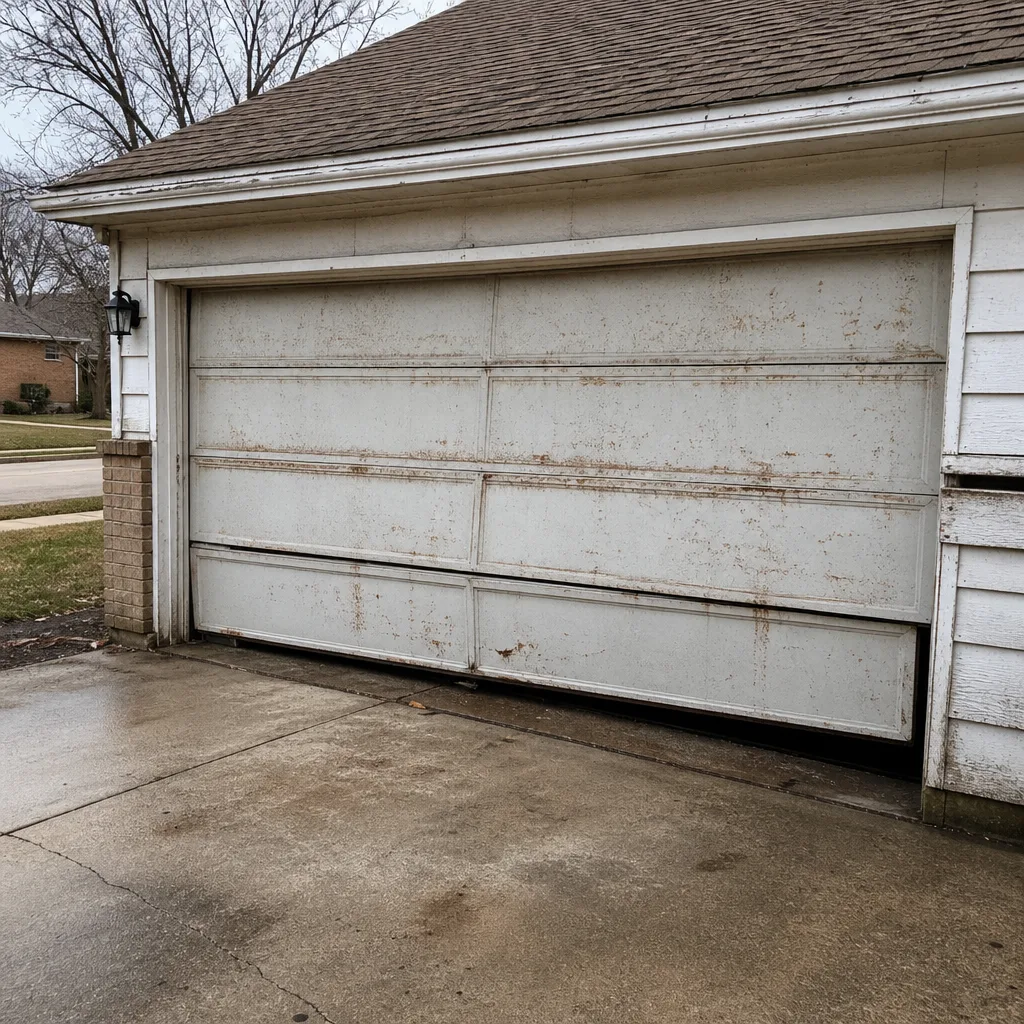 Before
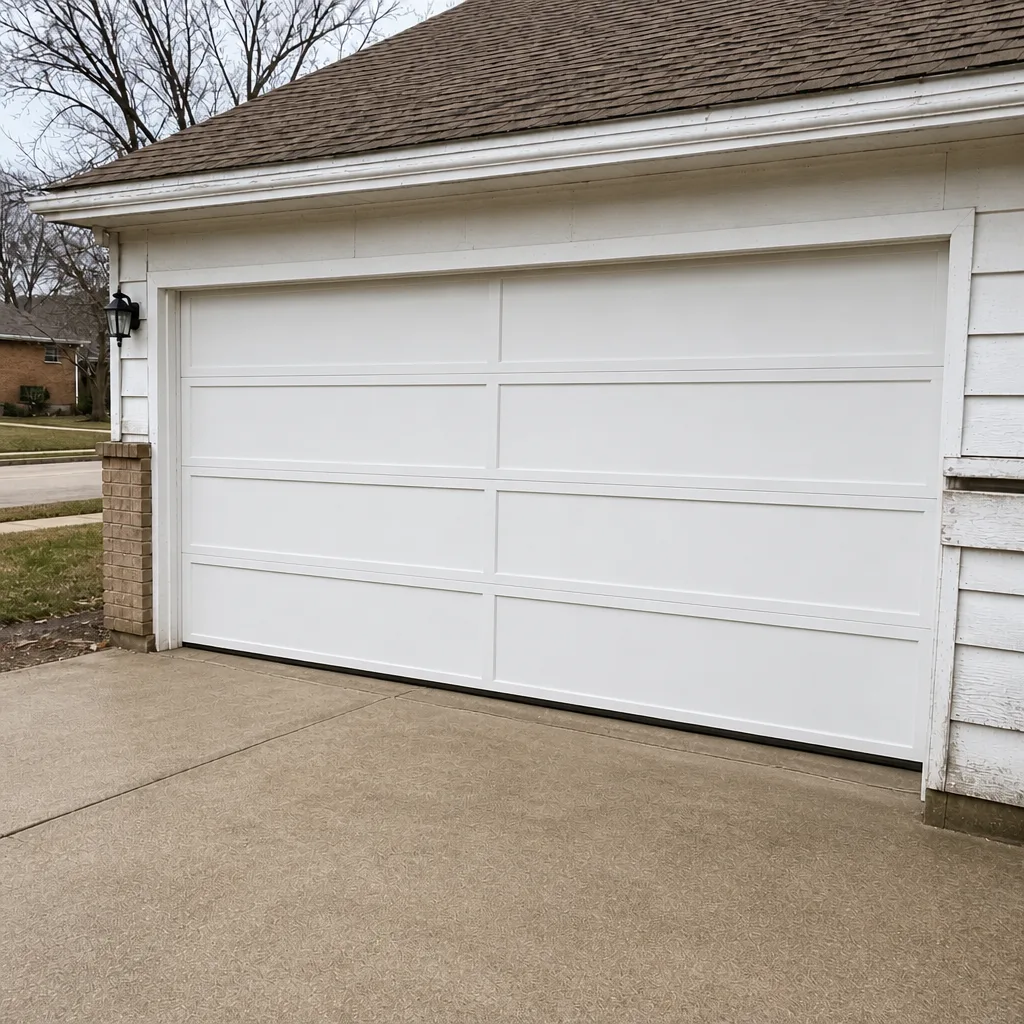 After
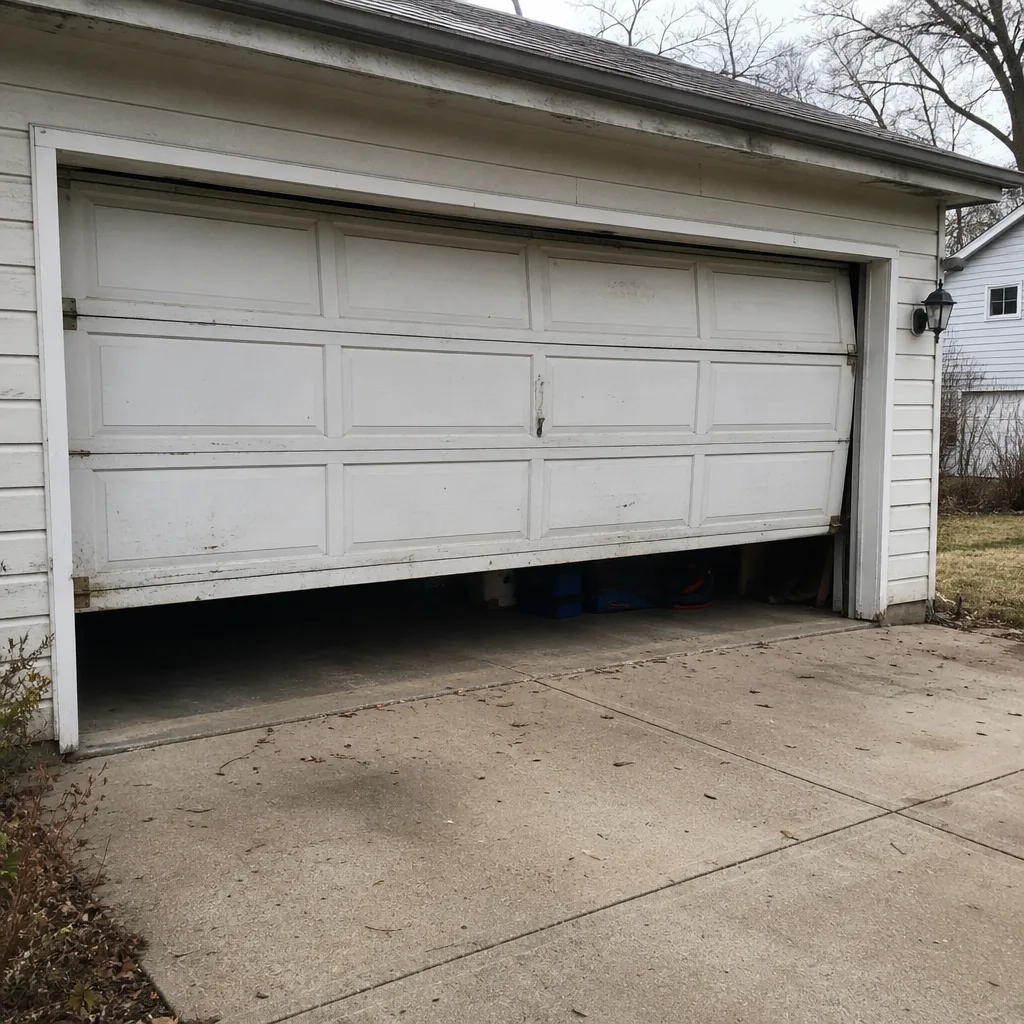 Before
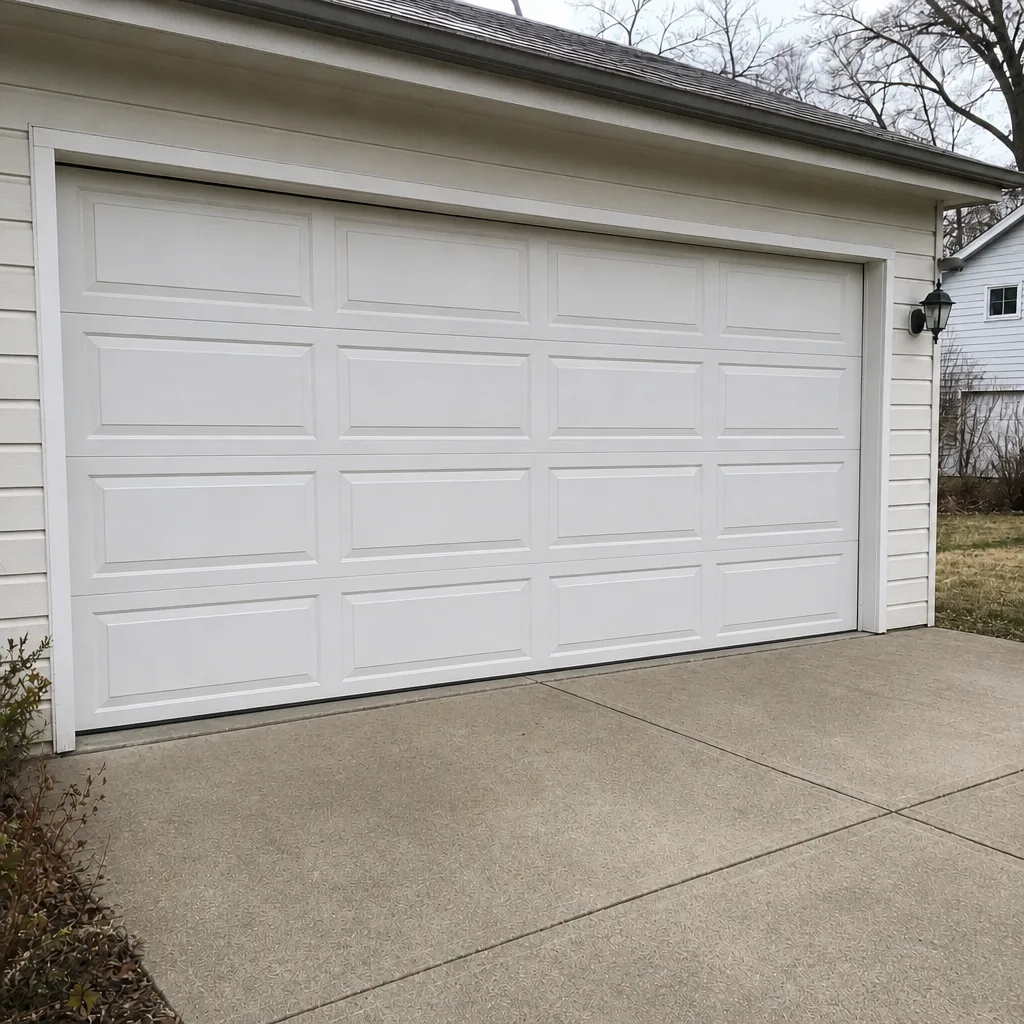 After
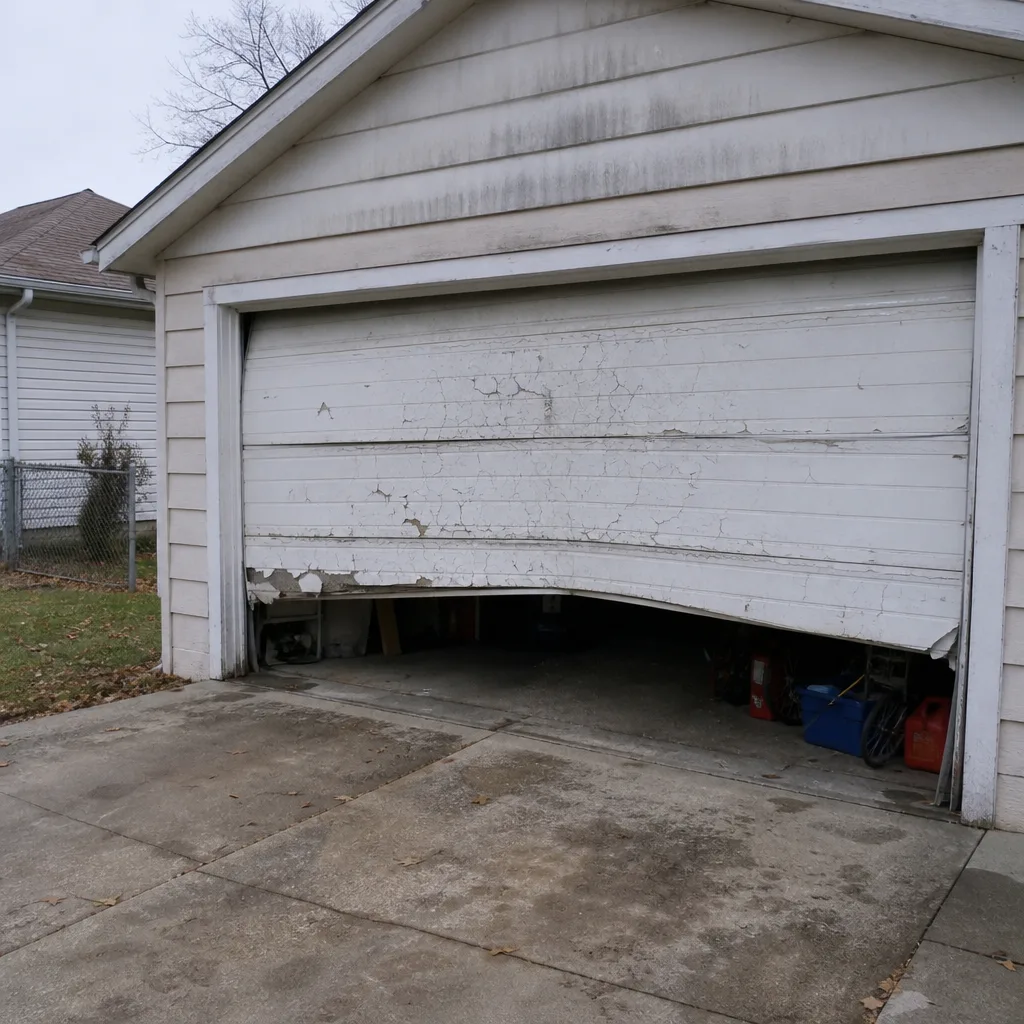 Before
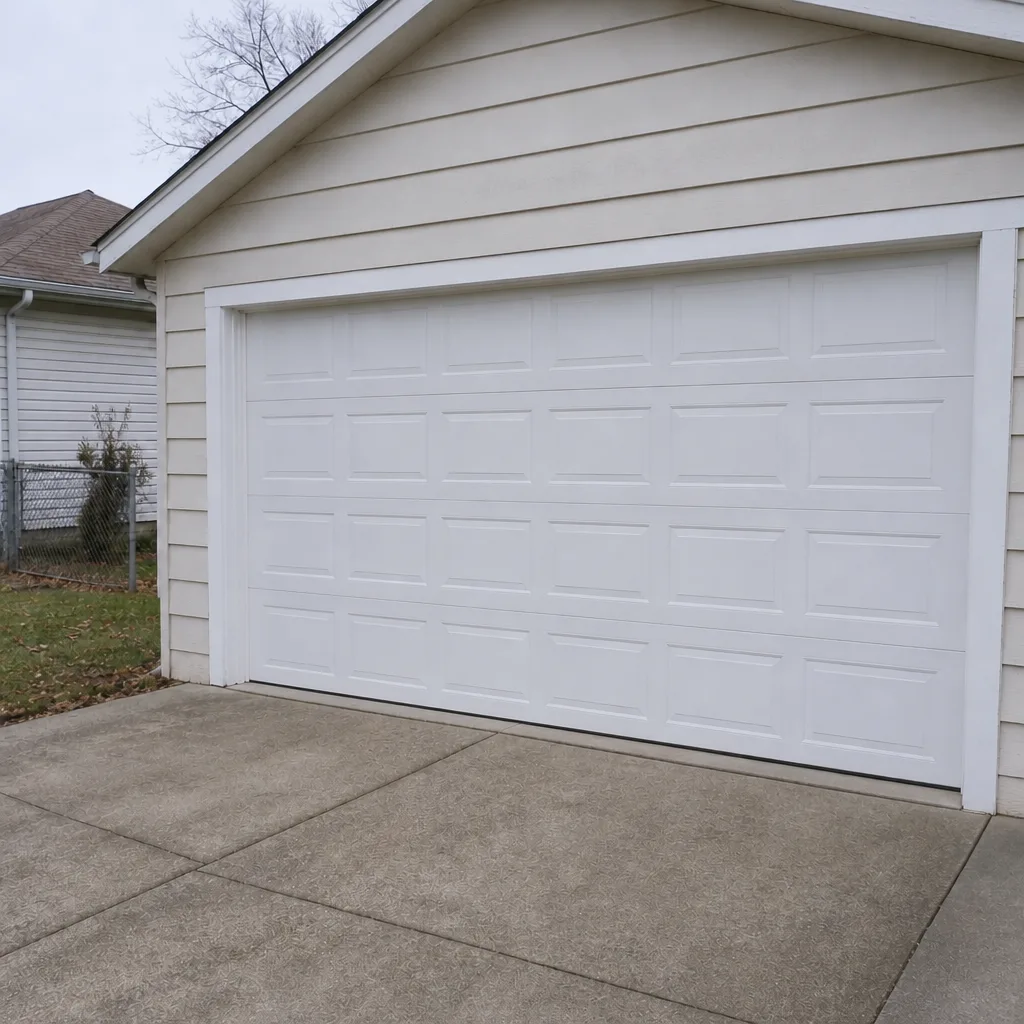 After
Frequently Asked Questions
Aim for twice a year, in October before the first freeze and again in April after the thaw. Those two dates bracket the two seasons that do the most wear on a door in Milwaukee. In between, add a light silicone touch-up in July if the door is a steel or aluminum model and starts to feel stiff in humid weather. Call (866) 942-7695 for an exact quote on a professional assessment, since estimates are free.
A failed balance test is the first hard sign, followed by a single loud pop and a door that suddenly won’t open by hand. Before it fails completely, you’ll often notice the door feels heavy, or the opener strains on the first lift of the day. Don’t wait for the pop. Call (866) 942-7695 to schedule a professional check in Milwaukee; estimates are free.
No. Standard WD-40 is a solvent-based product, not a true lubricant, and it thins out quickly and can accelerate corrosion on the springs. Use white lithium grease or a silicone spray designed for garage doors. If your door is old and you’re not sure what lubricant is already on it, our team can look and advise. Call (866) 942-7695 for an exact quote.
The tasks are the same; the intervals can be tighter. Newer steel doors with factory-applied finishes are less prone to rust, but the moving parts (hinges, rollers, springs) still need the twice-a-year lubrication and the April and October check-ins. Check the manufacturer’s maintenance sheet that came with the door, because the warranty terms can be specific. If you don’t have the paperwork, call (866) 942-7695 and we can usually identify the brand and model.
Run the balance test before you use the door again. If it won’t hold halfway up, stop using the opener and call a professional, because the spring has lost tension and continuing to lift the door will shorten the spring’s remaining life. Don’t try to adjust tension yourself. Call (866) 942-7695; we can be out fast in most Milwaukee areas, and estimates are free.
That depends on the manufacturer and the specific failure. Most warranties require “reasonable maintenance,” which typically means scheduled lubrication and visual inspection; if you can show you did those, a spring failure from normal wear is more likely to be honored than a failure from plain neglect. Repairs done by anyone other than a qualified technician may also affect coverage. If you’re filing a claim, call (866) 942-7695 and we can walk through what the manufacturer will likely ask for.
The Bottom Line
The best garage door maintenance schedule in Milwaukee is not a monthly to-do list. It’s a twice-a-year anchor (October lubrication and prep, April post-thaw inspection) with a few seasonal check-ins around it. If you do those two anchor check-ins and use the right lubricant on the right parts, you’re doing more than most homeowners and avoiding most of the failures we’re called out to fix. Leave the spring tension, cable work, and opener force settings to a trained professional. For everything else, the calendar above gets you through the year. And when the balance test fails or a spring lets go, that’s what we’re here for. Call (866) 942-7695 for a free estimate.
Written by the team at Honor Garage Door Repair.