
Last updated November 15, 2026
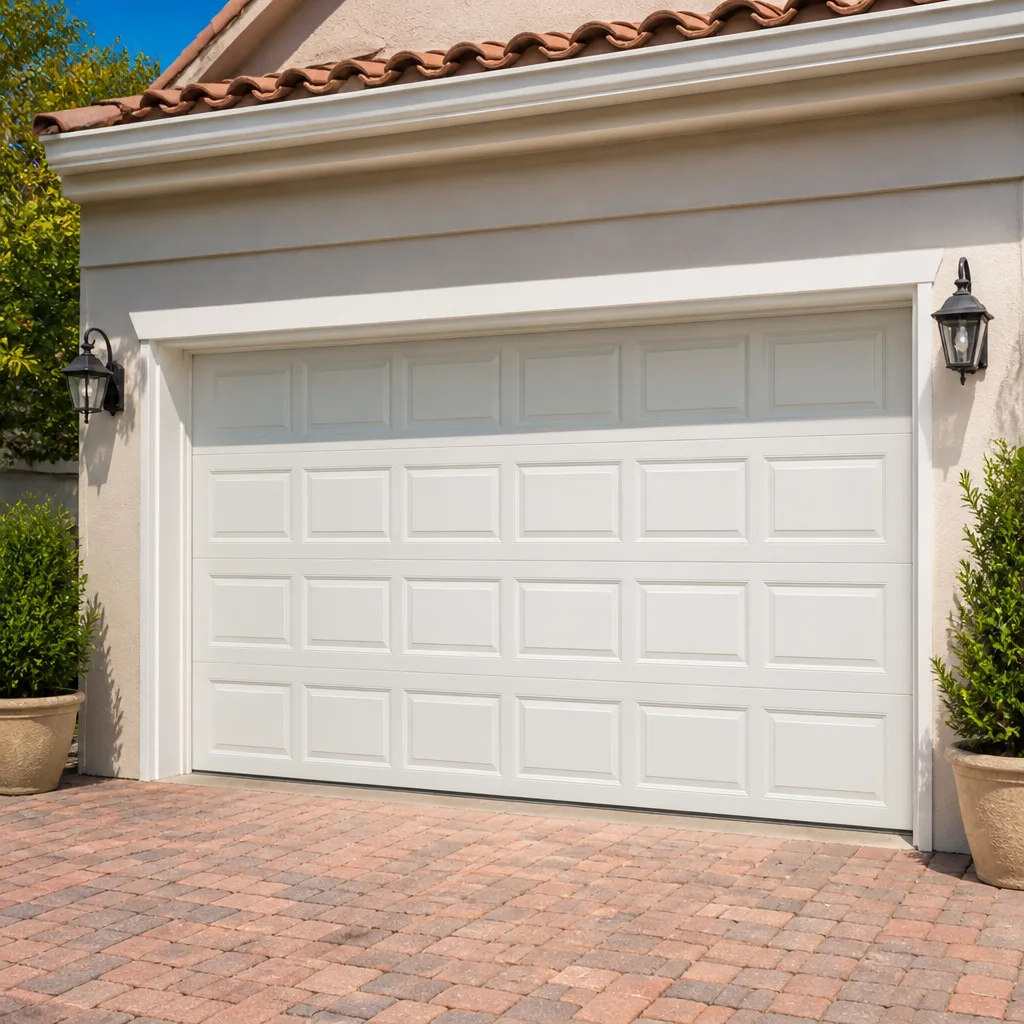 Raised-panel steel
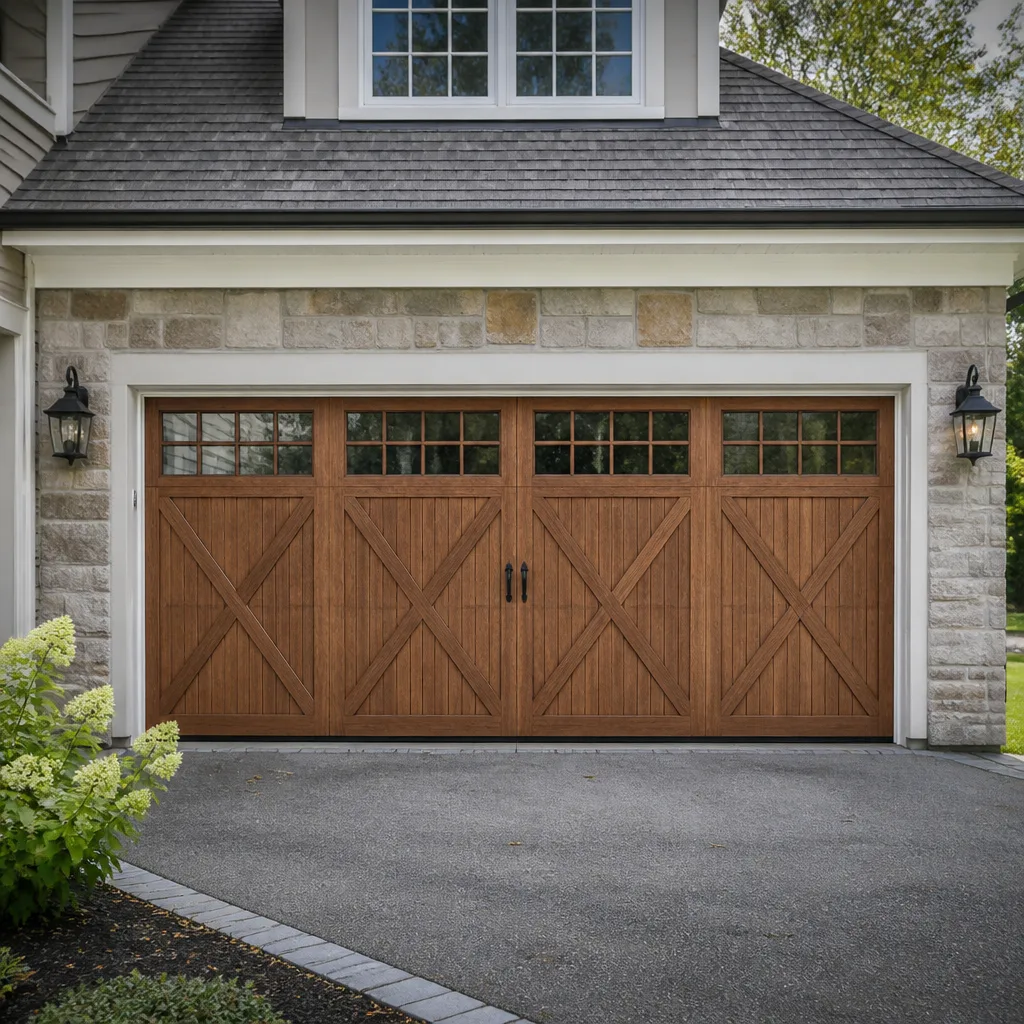 Carriage house
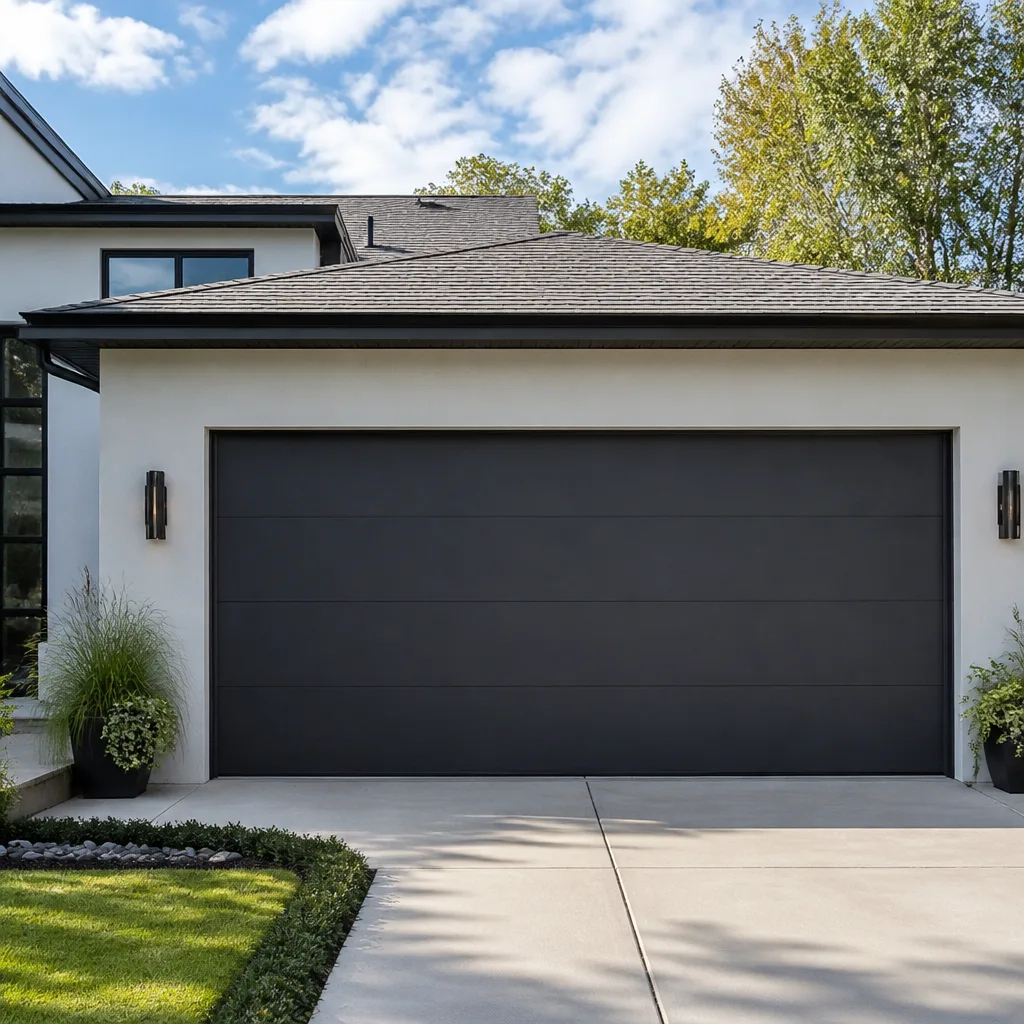 Modern flush
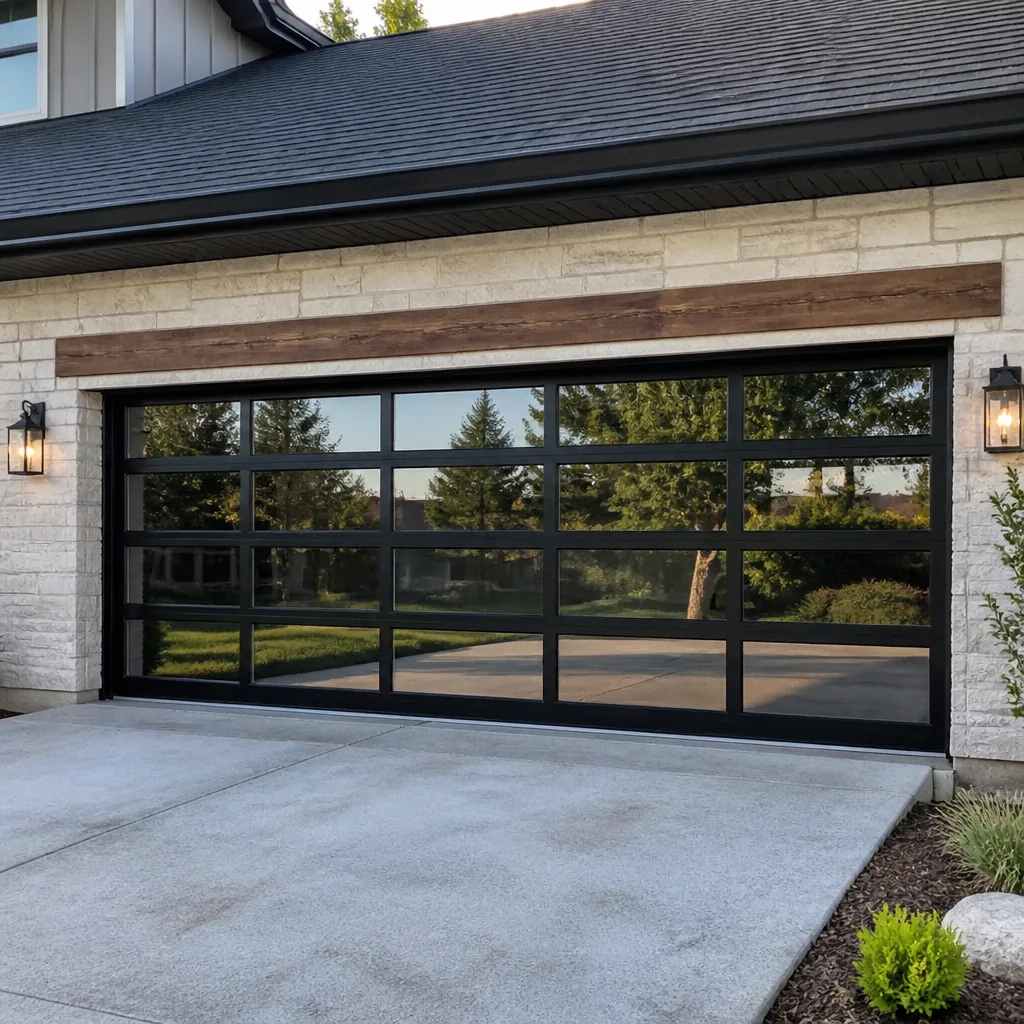 Full-view glass
 LiftMaster openers
 Chamberlain openers
Full 25-point door and opener safety check with every visit - springs, cables, rollers, tracks, and your LiftMaster or Chamberlain opener included
You get a price before we start. It does not change when the pro arrives.
Get your free estimateGarage Door Permits, Codes & Inspections in Milwaukee, WI: What You Need to Know
Most Milwaukee homeowners treat a garage door like a maintenance item, somewhere between a clogged gutter and a dead lightbulb. That framing is exactly why so many replacements happen without a permit. But a garage door sits on a structural opening in an exterior wall, carries a spring-loaded load above a space where people walk, and often separates an attached garage from the rooms where a family sleeps. When any of that changes, the City of Milwaukee may want a building permit. If it isn’t pulled and the door later surfaces in a home inspection, the paperwork problem belongs to whoever owns the house, not the contractor who skipped it. Below, we walk through which garage door work in Milwaukee truly requires a permit, what counts as routine maintenance under state code, how the inspection process runs, and how to protect yourself before a single screw goes in.
Quick Answer
In Milwaukee, a full garage door replacement, a change in door size or type, and structural work on the opening generally require a City of Milwaukee building permit, while routine repair and like-for-like service such as spring replacement, cable work, roller swaps, or replacing an opener usually do not. Fire-rated separation between an attached garage and the living space is governed by Wisconsin’s one- and two-family dwelling code, SPS 321-325. When in doubt, ask the City of Milwaukee building department before work begins, and get any answer in writing.
Styles & brands we work with
- Raised-panel steel
- Carriage house
- Modern flush
- Full-view glass
- LiftMaster openers
- Chamberlain openers
Table of Contents
- Permit or Maintenance? The Line Most Homeowners Miss
- How the Milwaukee Permit Process Actually Works
- What Wisconsin’s SPS 321-325 Says About Garage Doors and Openers
- Fire Separation Between an Attached Garage and the House
- What a Garage Door Inspection Covers
- What to Do If a Contractor Says You Don’t Need a Permit
- Older Milwaukee Garages, Winter Conditions, and Code Realities
Permit or Maintenance? The Line Most Homeowners Miss
The distinction sounds clean on paper: repair is maintenance, alteration is permit work. In practice, the line is thinner than most contractors will admit. Replacing a broken torsion spring is clearly service work. Replacing the entire door, changing it from a single panel door to a sectional model, or altering the header above the opening is not the same category of job. The first is upkeep. The second changes what the building opening has to do.
Here is a practical way to sort the two:
- Likely maintenance, no permit: spring replacement, cable and drum service, roller and hinge swaps, weather seal replacement, track alignment, opener repair, and replacing an opener with a comparable unit on the existing door.
- Likely permit territory: full door replacement, any change to the size or type of the door, structural changes to the header or framing, adding a new opening, and work that changes how the door meets the fire separation between garage and living space.
- Ask first: converting a manual door to an opener-driven door, replacing an opener with a substantially different model, or a door swap where the spring system, mounting, and hardware are all being changed together.
We’ve seen this boundary blur in Milwaukee more than in most places. Homeowners who would never skip a permit for a deck or a roof replacement will happily sign off on a full garage door replacement because the job takes half a day and feels like a maintenance call. It isn’t the same thing to a building department. A door replacement is a change to a building opening, and it usually lands on the permit side.
The safe rule: if the door itself is being replaced or the opening is being modified, ask the City of Milwaukee building department whether a permit is required. If only parts are being serviced on a door that stays in place, you’re almost certainly in maintenance territory. When the answer matters to you, get it in writing from the city, not from the contractor who stands to save time by skipping it.
How the Milwaukee Permit Process Actually Works
You apply through the City of Milwaukee’s building department, often called the Department of Neighborhood Services for permit and inspection matters. The general shape of the process is consistent, even as the city’s online portal and forms change, so confirm current procedures with the department before you file.
- Confirm which permit applies. A garage door replacement typically falls under a building permit for alterations to a one- or two-family dwelling. Call the building department with your address and the scope of work, and ask which permit type applies to your job.
- Gather the paperwork. Expect to provide the property address, a description of the work, the manufacturer and model of the door or opener, and a simple drawing or product spec sheet showing the new door in the opening. Contractors with a Milwaukee license can usually submit on your behalf.
- Submit the application. Depending on the scope, this can be done online through the city’s portal or in person. Plan for a review window that runs days to a couple of weeks, longer if the scope requires plan review.
- Get the permit issued before work starts. This part isn’t negotiable. Work must not begin until the permit is issued and posted as the city requires.
- Schedule the inspection after installation. When the door is in and operational, the city inspector visits to confirm the installation matches the permitted scope and that safety hardware is in place.
In our experience, the timeline is the part homeowners get surprised by. A door replacement that takes a day to install can sit for a week or two waiting on permit review if the filing waits until the last minute. The fix is boring: start the permit conversation early, ideally as soon as the door is ordered. It’s also worth knowing that the inspector needs to see the finished work, so plan for the inspection to happen after installation, not before.
If you’re comparing garage door repair against a full replacement, this is where the process starts to matter. Repair rarely touches a permit. Replacement almost always does. For a straight answer on which category your job falls into, call (866) 942-7695. Estimates are free.
What Wisconsin’s SPS 321-325 Says About Garage Doors and Openers
Wisconsin’s one- and two-family dwelling code, SPS 321 through 325, applies to detached houses and duplexes and covers the construction standards for those buildings. Garage door and opener installations on one- and two-family homes in Milwaukee fall under this code, which is why local permit reviewers ask for the same basic information the code cares about: door size and type, headroom, and how the opening is framed and sealed.
What the code means in practice for a garage door job:
- Doors and openers are building components, not accessories. A replacement door or opener installation is part of the building’s systems, and it’s treated that way during plan review.
- Attachment and framing matter. The code cares about how the door and its hardware are anchored, and whether the surrounding framing supports what you’re installing. Older Milwaukee garages can have framing that’s undersized for a modern door, especially where a previous owner altered the opening.
- Safety devices are part of the installation. Openers are expected to be installed with the safety features the manufacturer requires, including the reversing system on contact and the photo-eye or equivalent entrapment protection required for the opener model.
- The code is a floor, not a ceiling. Local amendments and the city’s own building department procedures sit on top of SPS 321-325. When the two seem to point in different directions, ask the Milwaukee building department what it will actually accept.
Brand familiarity helps more here than homeowners expect. When a permit reviewer or an inspector asks how a specific opener handles entrapment protection, or which model of door is going in, technicians who work on LiftMaster, Chamberlain, Genie, Raynor and Clopay units regularly can answer without guesswork. Our technicians have up to 15 years of experience and are certified to work on LiftMaster, Chamberlain, Genie, Clopay, Amarr, Wayne Dalton, Craftsman and Raynor equipment. That matters at permit time because the paperwork asks for exact product details, not general categories.
Fire Separation Between an Attached Garage and the House
This is the compliance issue most Milwaukee homeowners have never heard of. When a garage is attached to a house, the wall and ceiling that separate the garage from the living space are part of a fire separation. The purpose is simple: a fire that starts in a garage full of vehicles, fuel, and lawn equipment gets more time before it reaches the rooms where people sleep. The code speaks to the construction of that separation, and a garage door replacement can interact with it in ways that catch people off guard.
Where the fire separation shows up in garage door work:
- The door between garage and house. If your attached garage has a door that opens directly into a hallway, kitchen, or mudroom, that door is a fire-rated door assembly. Replacing it with a standard hollow-core door defeats the separation, and replacing it with the wrong hardware can too.
- Sealing and gasketing. The overhead door and the door into the living space both need to close and seal adequately. A poorly sealed overhead door lets exhaust and fumes into the garage and, eventually, into the house.
- Penetrations and openings. Any new opening through the separation wall, including the opening a garage door occupies, is part of the permitted scope.
- Alterations made before you owned the house. Older Milwaukee homes frequently carry additions and garage conversions from previous owners. If you’re replacing a door on a garage that was previously modified, ask the building department whether the separation needs to be brought up to current standards as part of your permit.
None of this means every door replacement triggers a fire separation upgrade. It means the question belongs on the list before you file, not after the inspector writes it up.
What a Garage Door Inspection Covers
The permit inspection isn’t a full home inspection. It’s focused on the permitted scope: the door and hardware as installed, the opening as modified, and the life-safety features that go with the job.
What the inspector typically looks at:
- The door in the opening. Model, size, and type should match the permitted scope. If the installer substituted a different model, expect questions.
- Track and hardware installation. The tracks should be plumb, the rollers and hinges in place, the spring system correctly matched to the door weight.
- Balance and operation. The door should open and close smoothly and stay where it’s put. A door that slams down or drifts up is a red flag.
- Opener safety features. Photo-eye alignment and the reversing function on contact are checked on door openers.
- Fire separation where relevant. On an attached garage, the inspector may look at the separation wall and the door from the garage into the house.
- Paperwork. The permit should be posted as required, and any product spec sheets should be available if requested.
A physical detail common in older Milwaukee garages: low headroom. Homes built in the early-to-mid 20th century often have garages with shallow ceiling clearances, which forces a low-headroom torsion setup rather than a standard one. That’s not a code violation on its own, but it is a detail that needs to be on the permit paperwork because it changes the hardware and clearances involved. If the permit says standard installation and the inspector sees a low-headroom conversion, the mismatch costs a second visit.
Fire-rated, and we mean it: torsion springs and the cables under tension can cause severe injury when handled by untrained hands. Never attempt to adjust, release, or replace springs yourself. Balance and safety checks are where a trained professional belongs.
What to Do If a Contractor Says You Don’t Need a Permit
Contractors rush the permit conversation for a simple reason: the paperwork takes time they’d rather spend installing. Sometimes the contractor is right, and the job is genuinely routine maintenance. Often they’re not. You are the homeowner of record, which means you carry the consequences if the door ever has to prove it was installed to code.
Steps to protect yourself, in order:
- Ask the contractor to put the no-permit claim in writing. A sentence in an estimate or email naming the work and stating that no permit is required is enough. Contractors who are confident about it will write it down. Contractors who are working from convenience will suddenly get vague.
- Call the City of Milwaukee building department and describe the work in plain terms. Use the words “replace” and “install,” not “repair.” Say what the door is now and what it will be. Get their answer.
- Keep the permits, spec sheets and inspection records with your home’s paperwork. Some day, an inspector or a buyer’s agent will ask whether the door was permitted, and the answer is much easier to give when it’s in a folder.
- Compare the estimate to the scope. If the estimate covers a full door replacement but includes no permit line, ask why. The answer is either a valid reason or a gap you don’t want to inherit.
- Ask who pulls the permit and who pays for it. On most permit-required jobs, the licensed contractor pulls the permit, but the cost often ends up in the estimate. Know before you sign.
If a contractor tells you that you don’t need a permit for a full door replacement in Milwaukee, that’s a reason to slow down, not speed up. Plenty of reputable installers pull permits as a matter of course and it adds maybe a little paperwork and a wait for review. It isn’t a burden the homeowner should be talked out of.
Older Milwaukee Garages, Winter Conditions, and Code Realities
Milwaukee’s housing stock shapes a lot of these conversations. Many garages were built decades ago, some were later converted or extended, and plenty carry alterations from owners going back multiple generations. Add the climate and you get a set of local realities the permit process has to account for.
What shows up:
- Framing that doesn’t match current standards. Older headers, undersized jambs, and garages extended or rebuilt over time can surprise anyone measuring for a replacement door. A permit process forces those details onto paper before the door goes in.
- Low headroom and tight side clearance. Common in pre-war and mid-century garages across the Milwaukee area, and it changes the hardware needed. Standard installation hardware won’t fit a garage built for a manual door fifty years ago.
- Freeze-thaw and ice at the threshold. Milwaukee winters push freeze-thaw cycles through the bottom seal and threshold year after year. That’s one of the reasons weather seals and bottom seal replacements count as maintenance. They’re seasonal wear items, not structural changes.
- Snow, ice dams and salt drag. Winter brings snow loads on the roof above the garage and ice buildup at the door, and road salt dragged in under the door accelerates corrosion on tracks, hinges and springs. None of that changes a permit requirement, but it does explain why Milwaukee garage doors need service more often.
- Attached garages in dense neighborhoods. On tighter lots in neighborhoods like Bay View, Riverwest, Washington Heights and the East Side, attached garages sit closer to living space, which makes the fire separation question more relevant than it might be on larger suburban lots.
For any of these, the permit isn’t the point. The point is that the inspection process catches problems while they’re still fixable, before the door is hung and the crew has left. That’s a better time to find out your header needs reinforcement than when you’re standing in the driveway with a truck full of hardware.
Common Mistakes to Avoid
- Assuming a garage door is always maintenance. A full door replacement is not the same category as a spring repair, and Milwaukee’s building department draws that line clearly. Ask before you sign.
- Letting the contractor talk you out of a permit without anything in writing. If the contractor believes no permit is needed, get that in writing and then confirm with the city. Your name is on the deed, not theirs.
- Skipping the fire separation question. Attached garages in Milwaukee homes come with a fire separation requirement, and a door replacement on a garage that was previously altered can trigger a review of it. Raise the question during the permit stage.
- Filing the permit after the work is scheduled. Review times run days to a couple of weeks, and the door can’t be installed before the permit is issued. File early, not the week of the install.
- Replacing the overhead door without checking the door between the garage and the house. That interior door is part of the separation. A hollow-core door in that spot defeats the point.
- Misstating the scope on the permit application. “Same size replacement” and “converted from manual to opener-driven with new hardware” are different scopes and often different reviews. Describe what you’re actually doing.
- Throwing away the paperwork after the inspection. Permits, inspection records, and product spec sheets belong with your home’s documents. If you ever sell, that folder answers a question a buyer’s inspector is about to ask.
If you’re working with a technician who knows the specific brand of door and opener in your garage, a lot of these mistakes are avoided before they happen. Our team works on LiftMaster, Chamberlain, Genie, Raynor, Clopay, Amarr, Wayne Dalton and Craftsman equipment as a matter of routine, and we’re certified to work on all eight. That familiarity shows up most clearly at permit and inspection time, when exact product details matter. For a free estimate and a straight answer on your scope, call (866) 942-7695. We answer 24/7. Fast dispatch from 7am to 7pm, Sunday through Friday.
If you’re ready to move forward with garage door opener repair or a full replacement in Milwaukee, we can help you sort the permit question before any work begins. And if you’re looking at a full install or a new opener, our Honor Garage Door Repair team can walk you through the differences between a like-for-like replacement and a scope that needs a permit.
See the difference
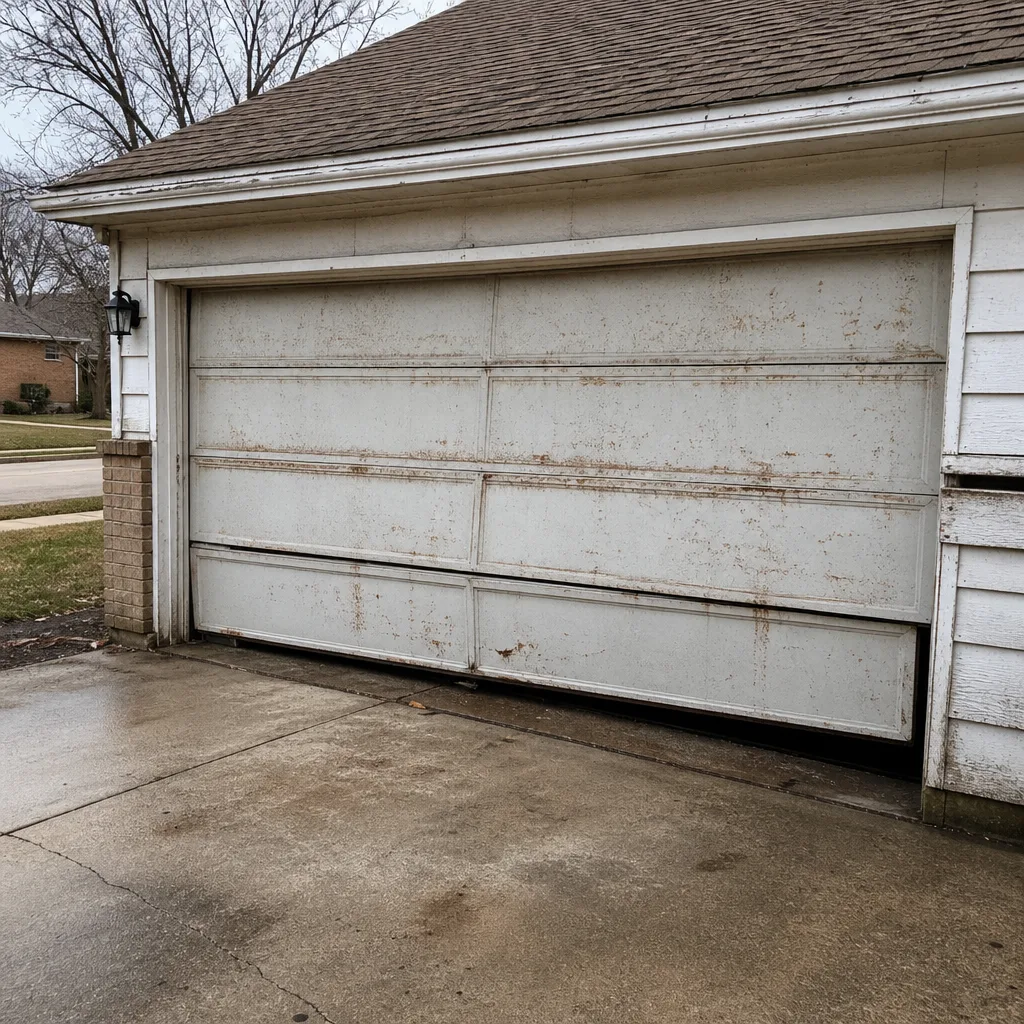 Before
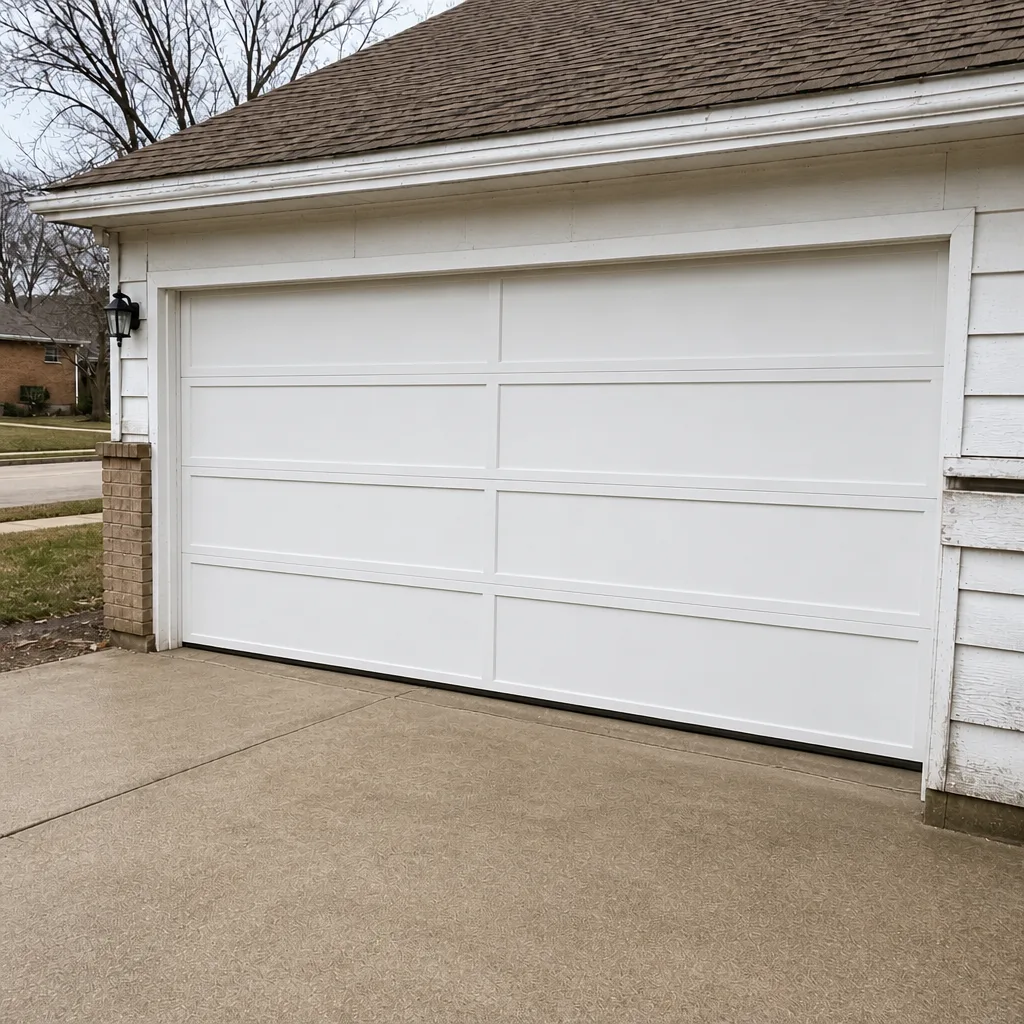 After
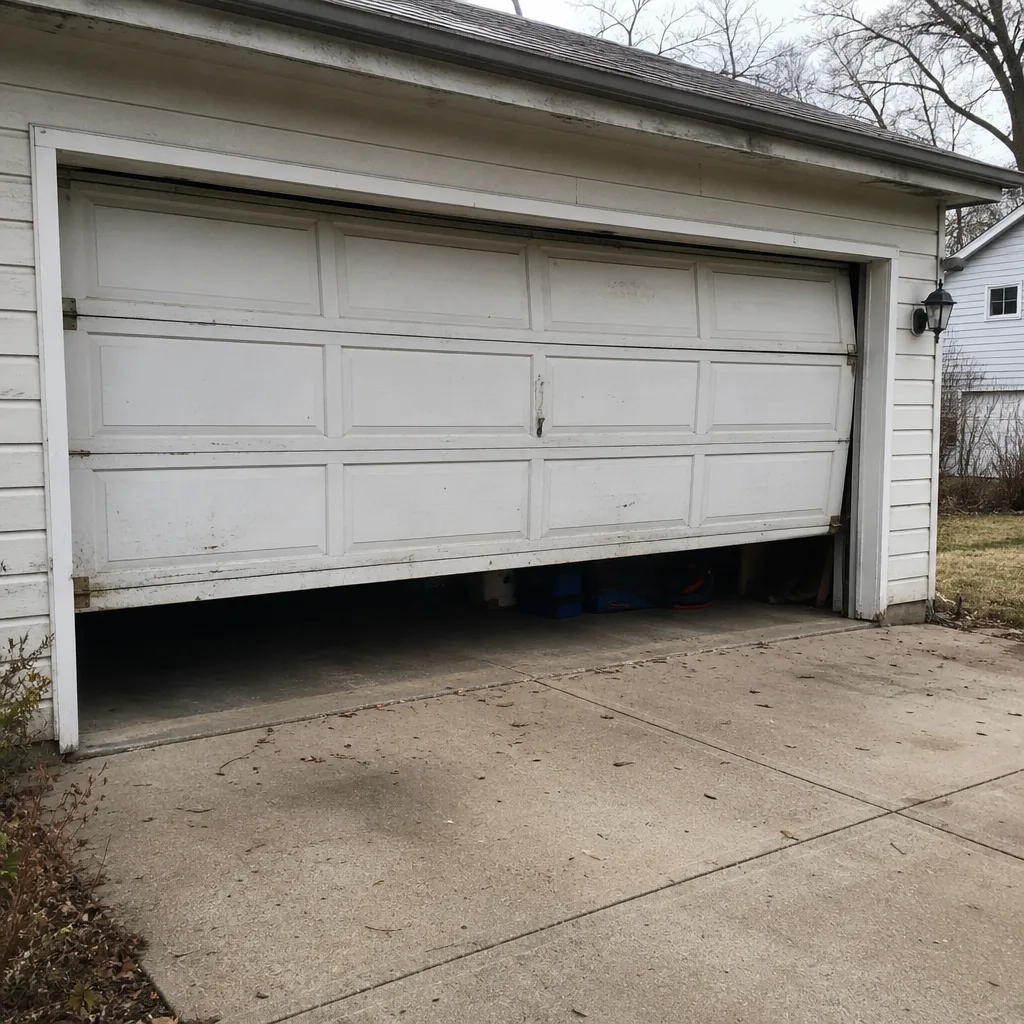 Before
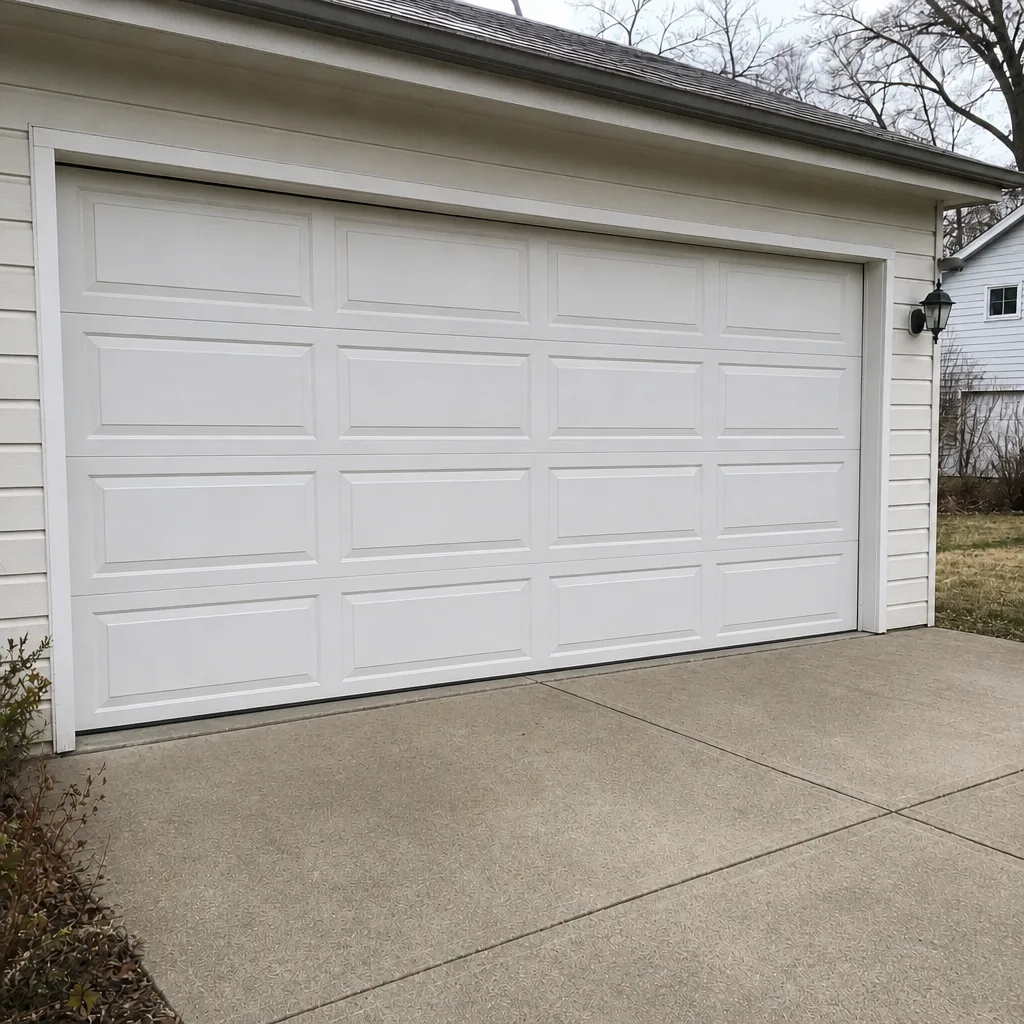 After
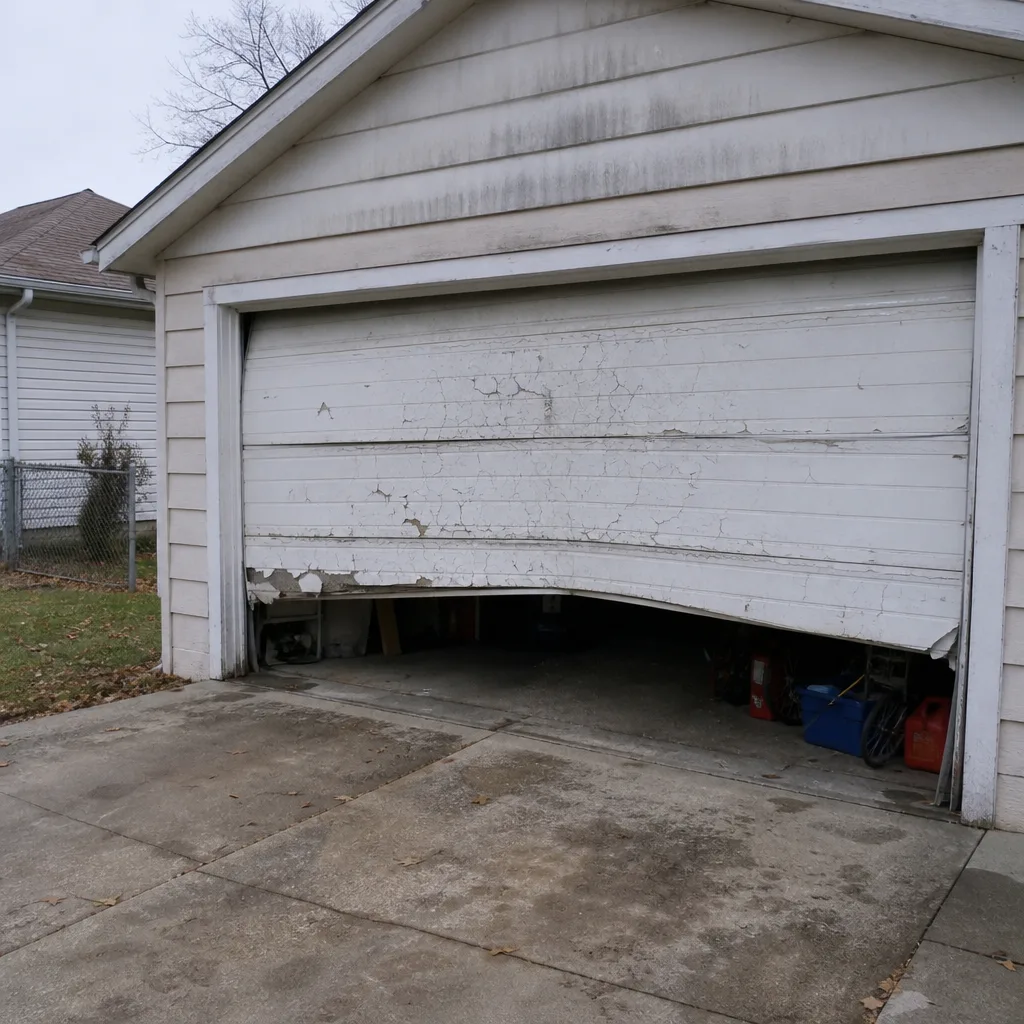 Before
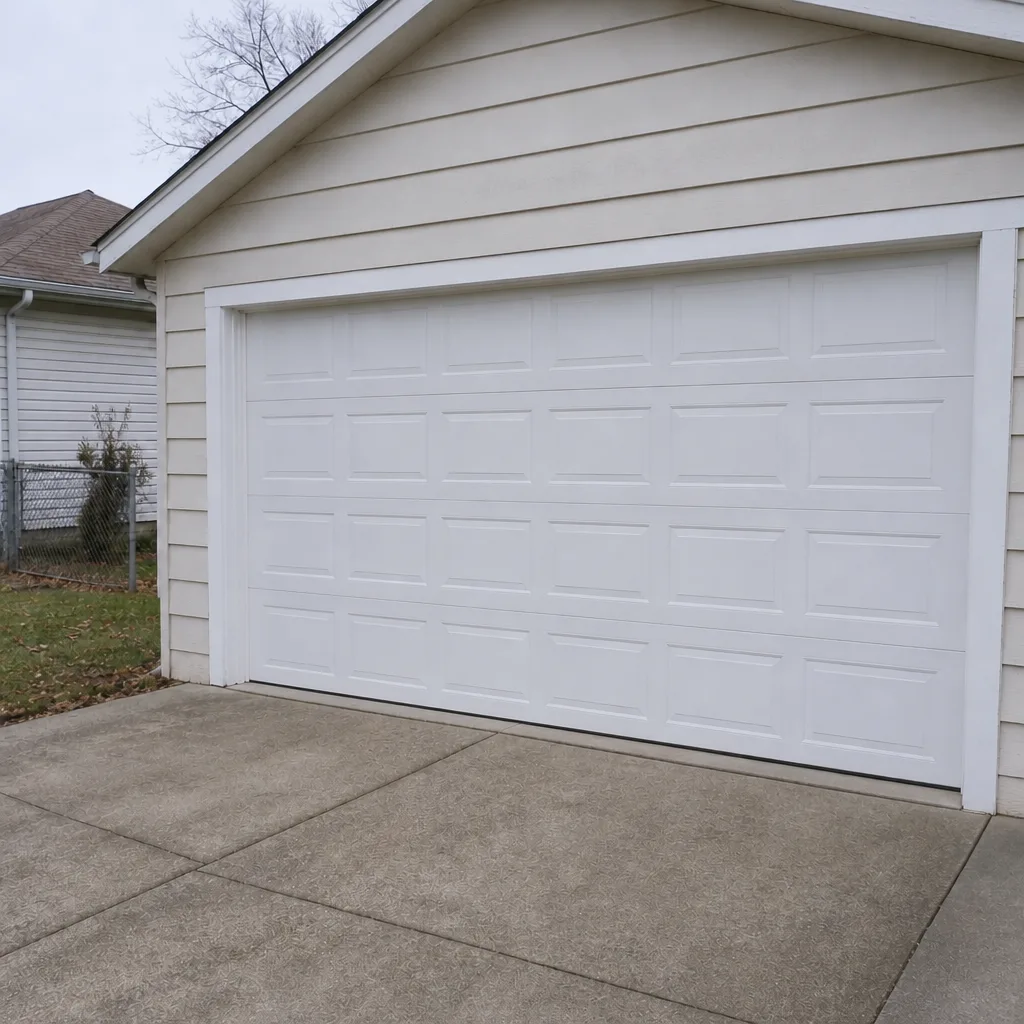 After
When to Call a Professional
Some garage door work is genuinely DIY-able: cleaning tracks, lubricating rollers, replacing a worn weather seal. Most of it isn’t. Call a professional when:
- The door is out of balance, drifts down on its own, or feels heavier than it used to
- You see a broken spring, a snapped cable, or a frayed cable end
- The opener reverses for no reason, the photo-eyes won’t align, or the remote drops connection
- You’re replacing the door itself or changing its size or type
- The door has been hit by a vehicle or damaged in a storm
- You’re unsure whether a permit is required and want a professional opinion before you commit
The spring and cable cases are the ones to take seriously. Torsion springs are under significant load and can cause serious injury when handled by untrained hands. Repairs like that aren’t a Saturday project. Honor Garage Door Repair offers free estimates in Milwaukee, so before you make a decision on a door replacement, permit question, or spring repair, call (866) 942-7695. We answer 24/7. Fast dispatch from 7am to 7pm, Sunday through Friday.
Frequently Asked Questions
Usually yes. A full garage door replacement is a change to a building opening and typically requires a City of Milwaukee building permit, while like-for-like service on an existing door usually doesn’t. Confirm the requirement with the city’s building department before work starts. Call (866) 942-7695 for an exact quote on the install – estimates are free.
Replacing an opener with a comparable unit on an existing door is generally treated as routine maintenance and often doesn’t require a permit, though the exact answer depends on the scope. Changing door type, adding an opener to a manual door, or altering the opening can change that. Ask the building department with the specific model in hand. Call (866) 942-7695 if you want a free estimate on opener work first.
Plan for days to a couple of weeks for review, longer if the scope triggers plan review. The installation can’t start until the permit is issued, so file early. The written estimate we provide notes the permit stage so you know what’s coming. Call (866) 942-7695 to talk through your scope before you file.
The inspector checks that the installed door matches the permitted scope, that the tracks and hardware are correctly installed and the door is balanced, that opener safety features are working, that the fire separation between an attached garage and the house is intact where relevant, and that the paperwork is in order. Our technicians are certified to work on eight major brands, so the product details on your permit will match what’s on the door. Call (866) 942-7695 for a free estimate.
Get that claim in writing, then call the City of Milwaukee building department and ask them directly, using plain words like “replace” and “install.” If the scope is really a full replacement, the city is likely to say a permit is required. Call (866) 942-7695 for a second opinion and a free estimate – we won’t talk you out of pulling a permit you need.
Yes. An attached garage in Wisconsin is separated from the living space by a fire separation under the one- and two-family dwelling code, and the door between the garage and the house is part of that separation. Replacing that door with a standard hollow-core door or altering the wall without checking the standards defeats the purpose. Ask the City of Milwaukee building department how the separation applies to your home before you change the door. Call (866) 942-7695 if you’d like us to look at the overhead door side of the question.
The Bottom Line
Milwaukee garage door work splits cleanly in two once you know where the line sits. Springs, cables, rollers, seals and comparable opener swaps are maintenance. Full door replacements, changes to door type or size, structural opening work, and anything that touches the fire separation between an attached garage and the house belong on the permit side. Wisconsin’s one- and two-family code SPS 321-325 and the City of Milwaukee building department set the standard, and a free estimate is the honest way to figure out which side your job falls on. If the door in your Milwaukee garage is being replaced, ask about the permit before the first screw goes in. Call Honor Garage Door Repair at (866) 942-7695 for a free estimate. We answer 24/7. Fast dispatch from 7am to 7pm, Sunday through Friday.
Written by the team at Honor Garage Door Repair.