
Last updated November 15, 2026
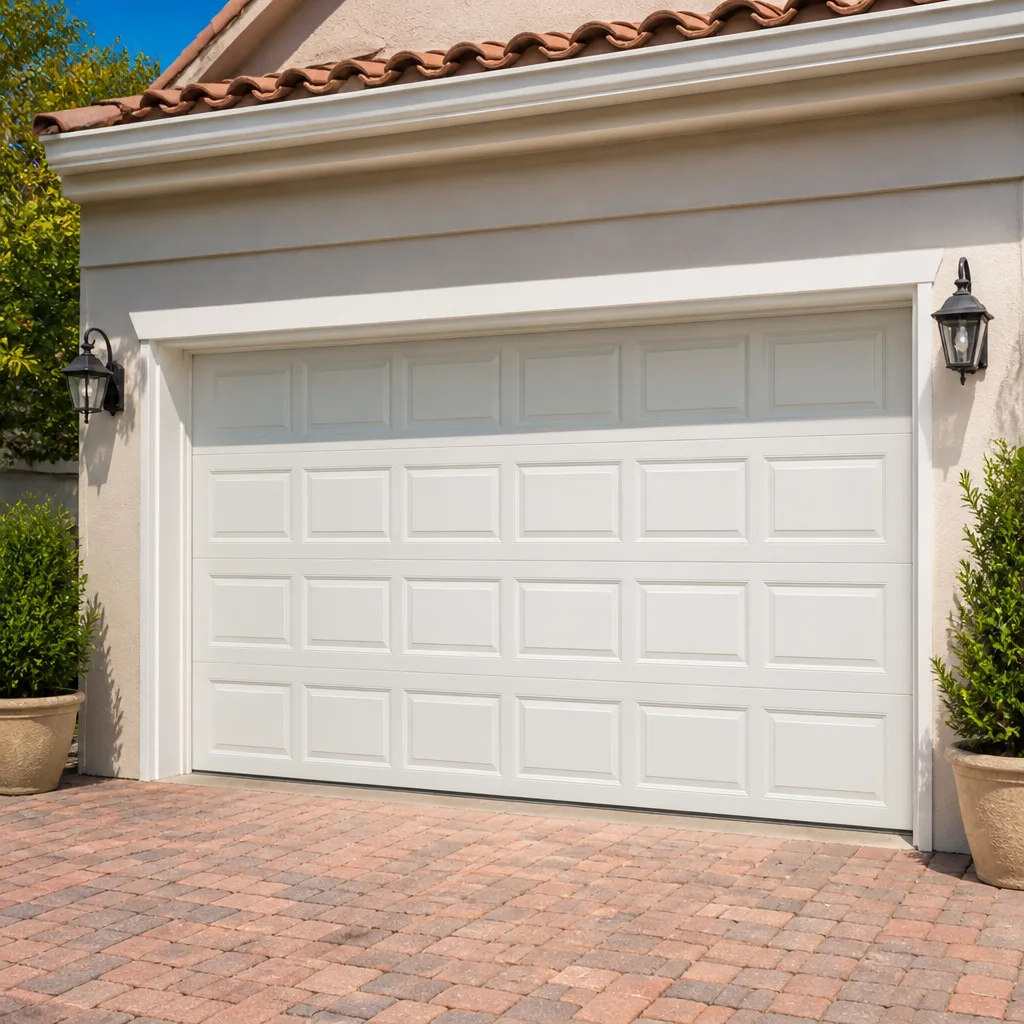 Raised-panel steel
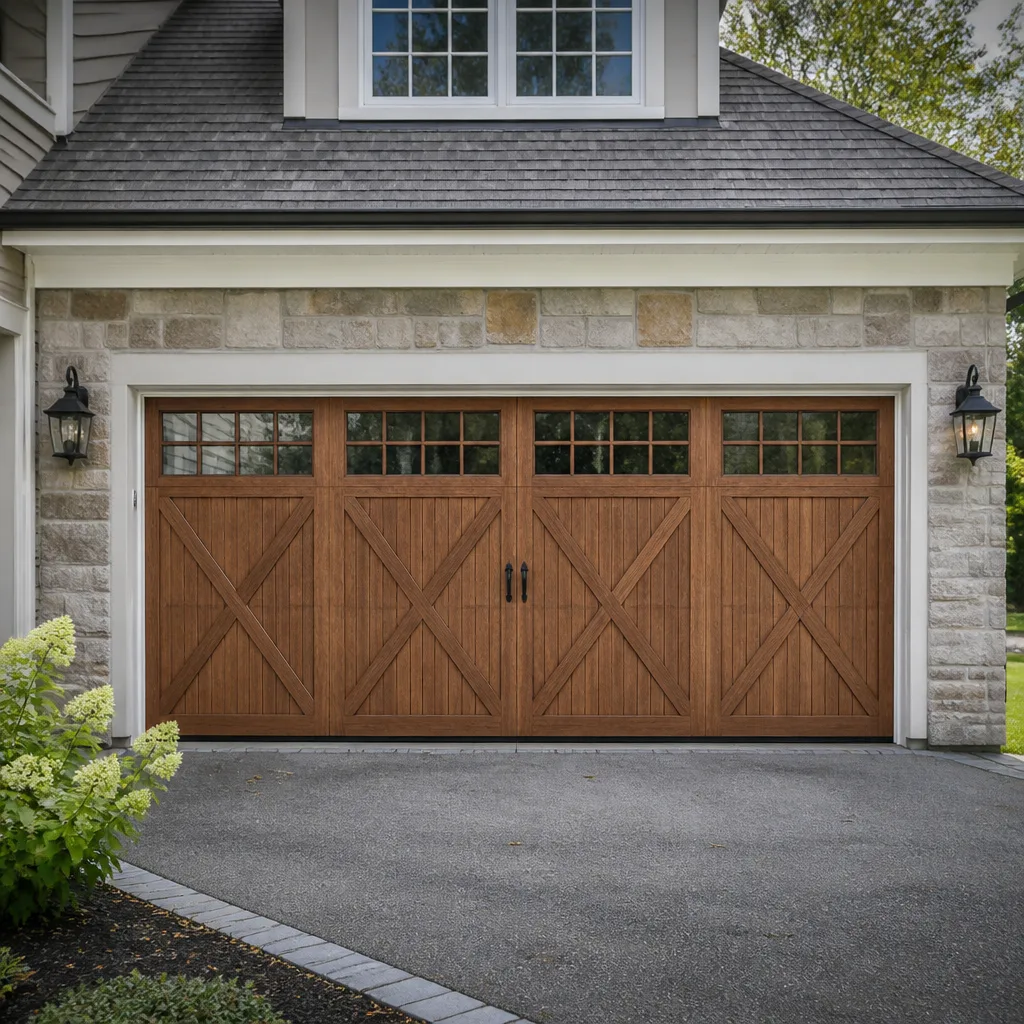 Carriage house
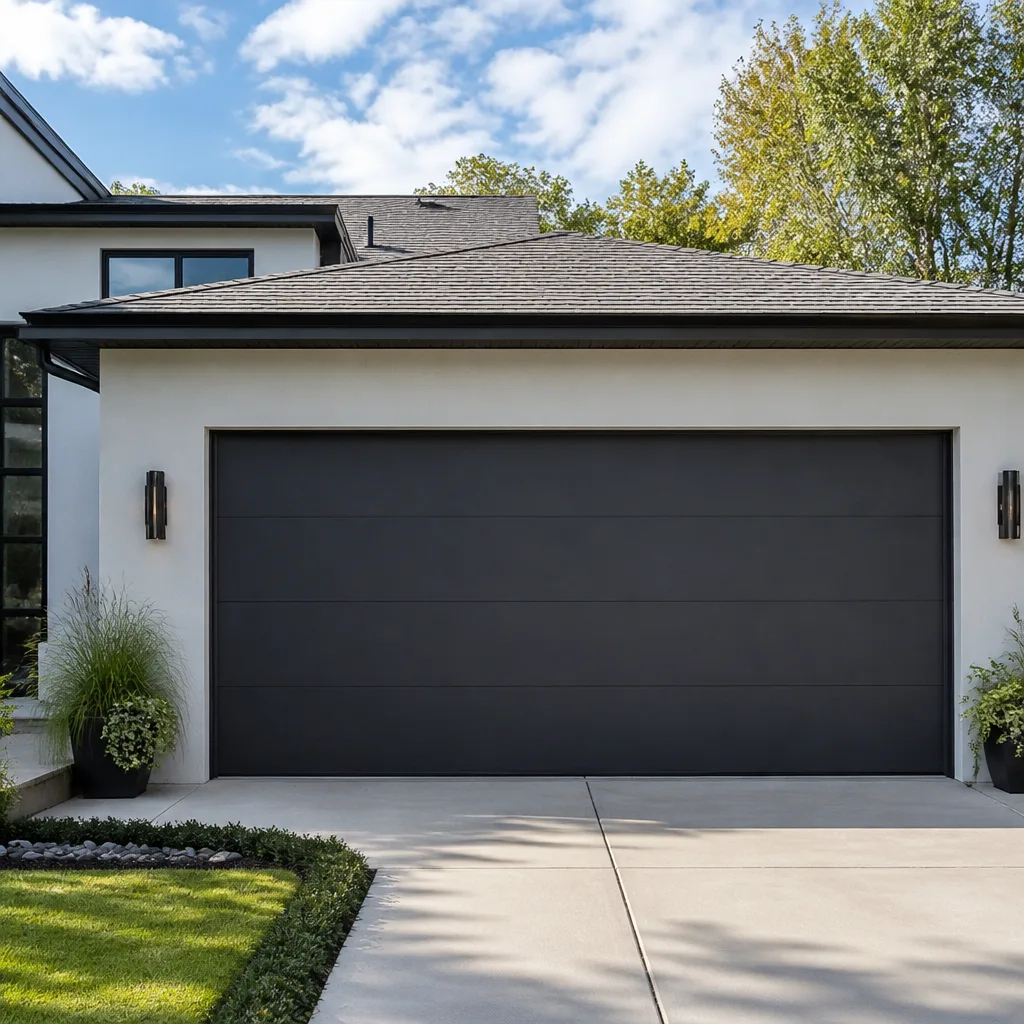 Modern flush
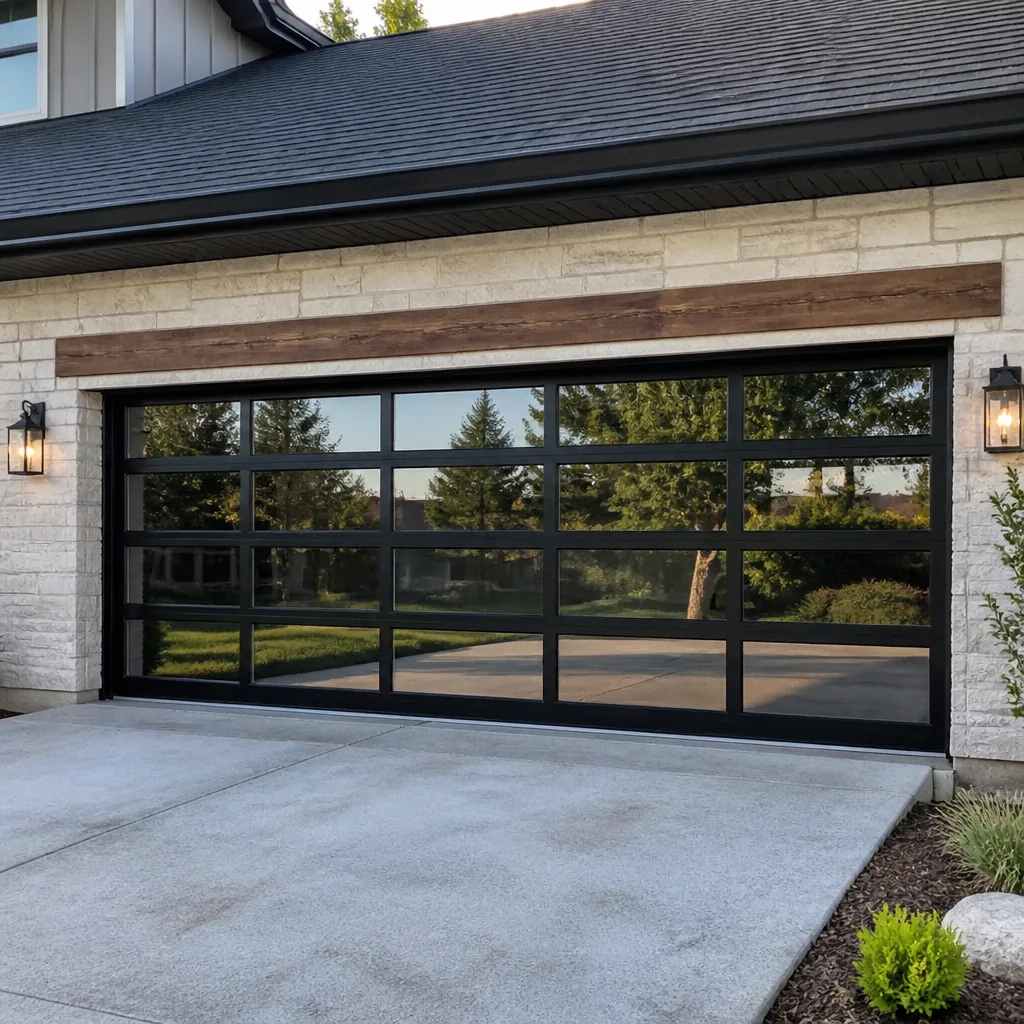 Full-view glass
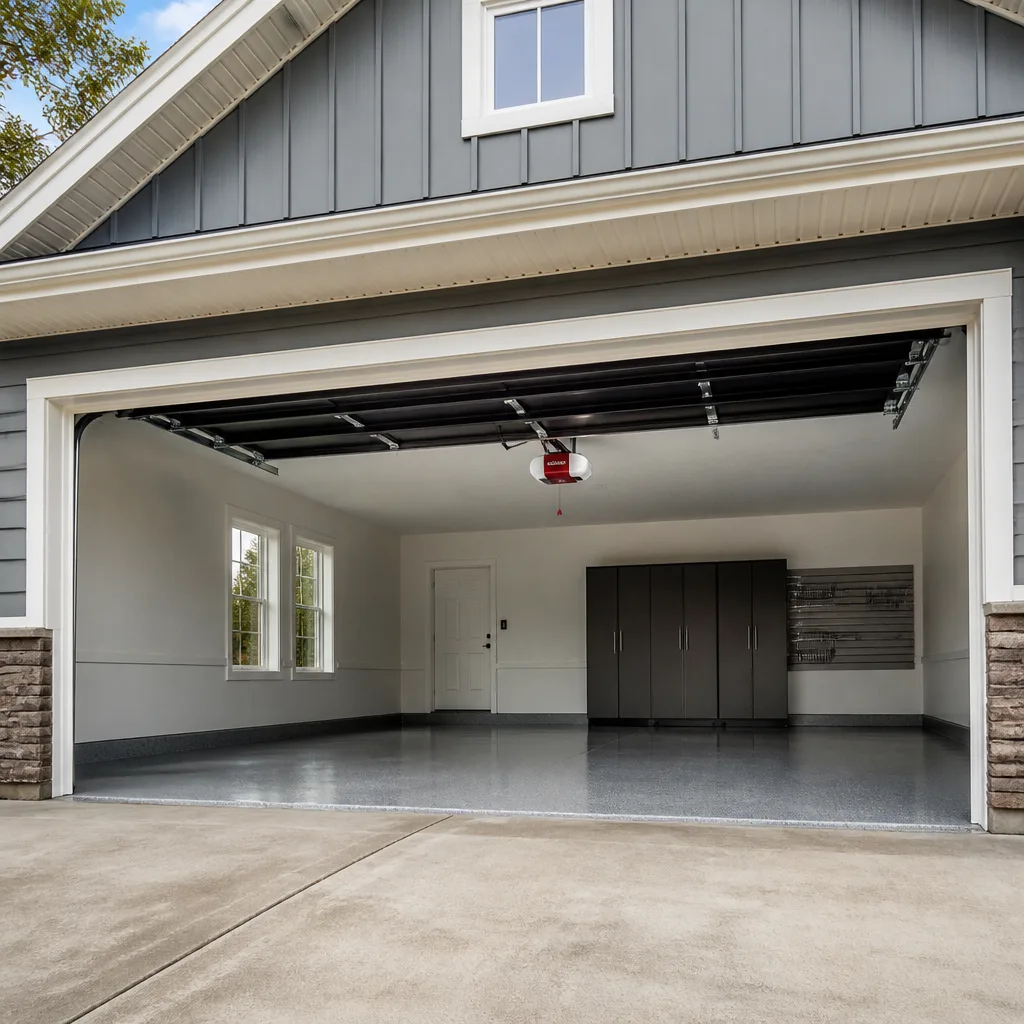 LiftMaster openers
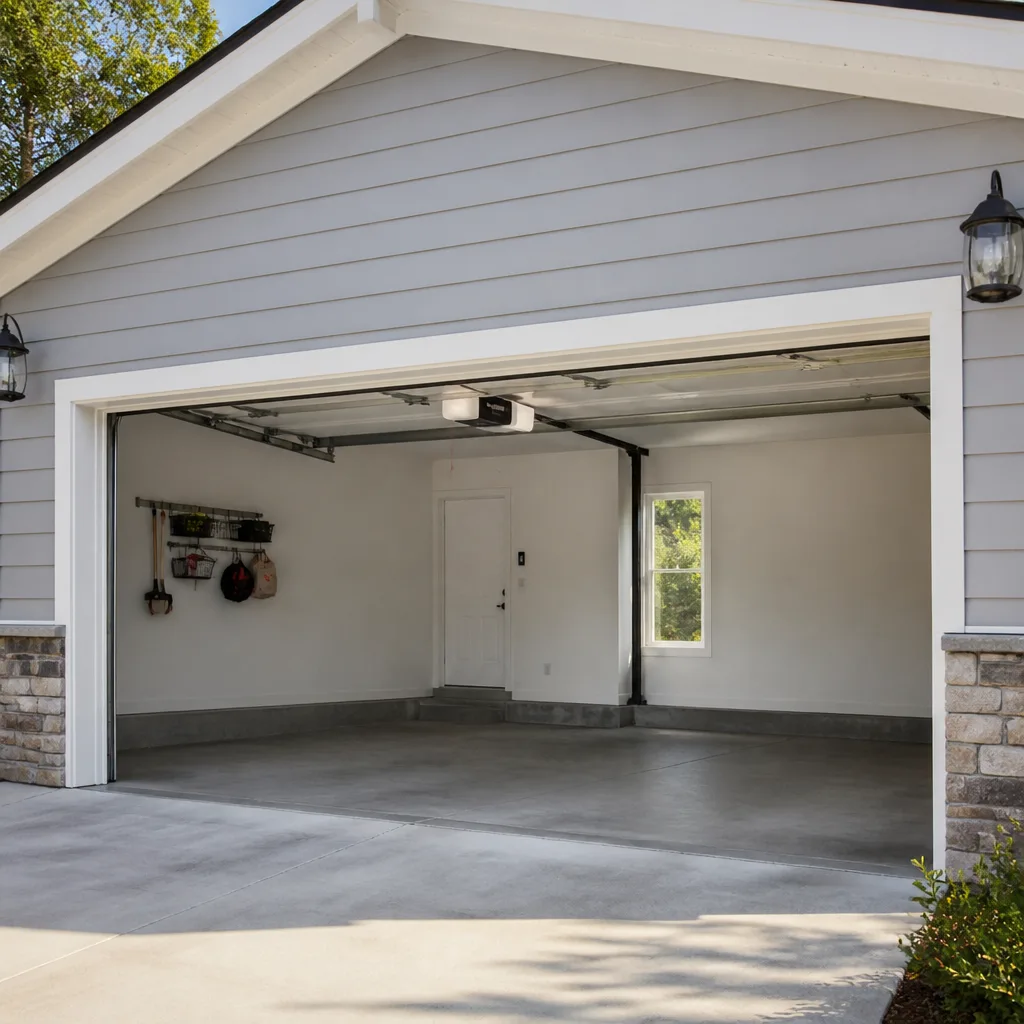 Chamberlain openers
Full 25-point door and opener safety check with every visit - springs, cables, rollers, tracks, and your LiftMaster or Chamberlain opener included
You get a price before we start. It does not change when the pro arrives.
Get your free estimateGarage Door Cost Breakdown: The Milwaukee Homeowner’s Reference for 2026
The $799 installed door on the yard sign rarely costs $799. That price usually leaves out the spring upgrade an older Milwaukee garage actually needs, the haul-away fee for the old door, and the reinforcement brackets for the opener you already own. By the time the invoice settles, the number has moved, and not in your favor. This guide is built to stop that. Below you’ll find itemized 2026 cost ranges for every part of a garage door job in Milwaukee, a clear look at why pre-1980 homes here often need extra hardware, and a simple way to audit any quote before you sign it.
Quick Answer
A full garage door replacement in Milwaukee in 2026 typically runs $1,200 to $3,800 installed, depending on door style, size, insulation, and whether your opening needs new hardware. A single spring replacement is usually $180 to $340, a matched pair about twice that, and opener replacement typically lands between $450 and $950 installed. The written estimate you receive is the price that governs the job.
Styles & brands we work with
- Raised-panel steel
- Carriage house
- Modern flush
- Full-view glass
- LiftMaster openers
- Chamberlain openers
Table of Contents
- What Does a Full Garage Door Job Cost in Milwaukee?
- Why Milwaukee Homes Built Before 1980 Often Need Extra Hardware
- Standard vs. High-Cycle Springs: Does the Upgrade Pay Off Here?
- What Does Opener Replacement Cost, and When Is Repair the Better Call?
- Haul-Away, Disposal, and the Fees Quotes Leave Out
- Why Quotes Vary So Much Between Contractors
- Does a New Garage Door Add Value to a Milwaukee Home?
- How to Audit Any Garage Door Quote in Five Steps
What Does a Full Garage Door Job Cost in Milwaukee?
A complete garage door replacement in Milwaukee usually breaks into six cost lines: the door and panels, springs, tracks and hardware, the opener if you’re replacing it, labor, and disposal. Most advertised prices collapse all six into one number, which is exactly how a low quote hides what it excludes. Ask for each line separately and you’ll see the real job.
Here are typical 2026 ranges for the Milwaukee market, called out line by line so you can compare them to what’s written on any estimate you receive:
| Cost Line | Typical 2026 Range (Milwaukee) |
|---|---|
| Single-car steel door (installed) | $1,200 – $2,200 |
| Double-car steel door (installed) | $1,900 – $3,800 |
| Insulated door upgrade | $300 – $900 added |
| Single torsion spring replacement | $180 – $340 |
| Matched spring pair (replaced together) | $360 – $680 |
| Track and hardware replacement | $250 – $600 |
| Opener replacement (installed) | $450 – $950 |
| Old door haul-away and disposal | $75 – $200 |
These are estimates, not quotes. The final figure depends on your opening’s condition, the door you choose, and any framing or bracket work your garage needs. What matters is that every one of these lines appears on the written estimate before work begins. If a line is missing, ask why. A quote that folds disposal and springs into a single “installed” price is a quote you can’t audit.
We work on doors from Clopay, Amarr, Wayne Dalton, and the other major brands, so we can tell you plainly which parts of your current setup are worth keeping and which aren’t. That conversation is where the honest number comes from.
Why Milwaukee Homes Built Before 1980 Often Need Extra Hardware
Garages built before 1980 in Milwaukee were framed and hung for doors that weighed less and were expected to last a different kind of lifespan. When a modern door goes onto that opening, the door isn’t the problem – the surrounding hardware is. This is the single biggest reason a cheap installed quote turns expensive, and it’s the first thing to sort out.
Older Milwaukee homes, particularly in neighborhoods with a lot of mid-century housing stock, tend to need some combination of the following:
- Reinforced opener brackets. A modern opener pulls against a header that may have been sized for a lighter door decades ago. The bracket that mounts the opener rail often needs added reinforcement to handle current door weight and cycle counts.
- Upgraded torsion springs. Original springs may be rated for a door weight the new one exceeds. Putting a heavier door on under-rated springs shortens their life and stresses the whole assembly.
- New vertical and horizontal tracks. Bent, rusted, or undersized tracks from an older installation won’t guide a heavier door cleanly. Reusing them is the most common shortcut we see in low quotes.
- Header and jamb inspection. Older wood framing around the opening can swell, sag, or pull loose. A door that closes on a sagging header won’t seal correctly, and the fix sits outside the door price.
- Weather seal replacement. Milwaukee’s freeze-and-thaw cycles push water and ice against bottom seals constantly. A worn seal lets cold air and moisture in regardless of how good the new door is.
None of that is unusual in this city. It’s simply what happens when a new assembly goes onto an older opening. A contractor who prices only the door and not the opening is pricing a job that isn’t finished. Ask specifically whether your header, brackets, and tracks were inspected before the quote was written.
Standard vs. High-Cycle Springs: Does the Upgrade Pay Off Here?
Springs are rated in cycles – one up-and-down is one cycle. A standard spring is usually rated for a standard service life; a high-cycle spring is rated for roughly double. In Milwaukee, a garage door gets used heavily through winter, when leaving it open even briefly lets in cold air and snowmelt. That usage pattern makes the spring question more relevant here than in a warm-weather market.
High-cycle springs typically cost $60 to $150 more per spring than standard ones. The question worth asking isn’t whether the upgrade costs more, but how many years of service you get for that difference.
- Estimate your daily cycles. A household that opens and closes the door four times a day does about 1,460 cycles a year.
- Estimate a standard spring’s rated life and divide. If a standard spring is rated near 10,000 cycles, that’s roughly 6 to 7 years at that pace.
- Estimate the high-cycle equivalent and compare the years gained against the added cost.
- Decide whether you’d rather replace springs once in the door’s life or twice.
For a family commuting every day through a hard Milwaukee winter, the upgrade usually pays for itself in added service years. For a single driver who barely uses the door, standard springs are often the sensible call. What matters is that the choice is made deliberately, not by whoever happens to have a particular spring on hand.
A safety note: torsion springs are under extreme tension and can cause serious injury if handled without the right tools and training. This isn’t a component to adjust or replace yourself. A trained technician has the winding bars, the safety procedures, and the experience to do it correctly.
What Does Opener Replacement Cost, and When Is Repair the Better Call?
Opener replacement in Milwaukee typically runs $450 to $950 installed, depending on whether you want a basic belt-drive unit, a smart-home model, or a premium quiet unit for a bedroom over the garage. Opener repair, when the problem is a single failing component – a gear, a logic board, a travel limit switch – is often far cheaper, and sometimes the right answer. That’s why opener service deserves a real diagnosis before you replace anything.
We treat garage door opener repair as its own specialty rather than an add-on, because the mechanical and smart-home side of a garage system behaves differently from the door itself. LiftMaster, Chamberlain, and Genie openers all have their own diagnostic patterns, and knowing the brand in your garage saves time and avoids guesswork. A newer opener with a failing part is usually worth repairing. A unit that’s old, loud, and has outdated safety features is usually worth replacing.
When replacement is the right call, brand-agnostic advice matters. We work on Chamberlain, Genie, and the other widely owned lines, so we’re recommending based on your door’s weight, your garage’s layout, and the features you’ll actually use – not what we happen to stock. That’s the practical meaning behind the Honor name: an assessment you can trust before any work starts.
Haul-Away, Disposal, and the Fees Quotes Leave Out
Old garage doors don’t fit in a curbside bin. Panels, tracks, springs, and an old opener have to be disassembled and hauled away properly, and that costs money – typically $75 to $200 in the Milwaukee market. A quote that leaves it out isn’t cheaper; it just pushes the number to a later line, usually on the day of the job.
Here’s what a complete disposal line should cover:
- Takedown of the existing door and tracks
- Removal of the old opener if it’s being replaced
- Proper handling of the old torsion springs (they remain under tension until relieved)
- Transport and disposal or recycling of all components
Confirm disposal in writing before work begins. If a quote says “haul-away included” but doesn’t clarify whether that covers tracks and opener parts or just the door panels, ask for clarification. This is one of the quiet ways an apparently low number grows. The written estimate should be the price, and it should list disposal as a line, not an assumption.
Why Quotes Vary So Much Between Contractors
Two contractors can quote the same Milwaukee garage and land $1,000 apart, and 2026 is an especially wide market for it. Some of that spread is legitimate – parts grade and warranty length make a real difference. Some of it isn’t. Learning to tell them apart is the practical skill this guide exists to build.
Legitimate reasons a quote is higher:
- Parts grade. A heavier-gauge steel door, insulated panels, or higher-cycle springs cost more up front and last longer. That’s a real difference, not padding.
- Warranty length. A contractor offering a longer warranty on parts and labor carries that cost. Ask what’s covered and for how long.
- Full hardware replacement. Tracks, brackets, and seals replaced rather than reused. More materials, more labor, longer-lasting result.
- Brand-specific familiarity. A technician who knows Clopay and Amarr hardware well diagnoses faster and installs cleaner. That expertise is part of the price.
Reasons a quote can be higher without adding value:
- Inflated labor hours on a straightforward job
- An upsell to a premium opener when a mid-range unit meets your door’s needs
- Add-ons like “premium” springs identical to standard ones but labeled differently
- Line-item padding: duplicate or vague charges that don’t map to a real part of the job
If a quote is dramatically lower than others, ask what it excludes. If it’s dramatically higher, ask for the line items. Either way, the contractor should be able to walk you through the reasoning in plain language. If they can’t, that’s your answer.
Our technicians have up to 15 years of experience, and we’ve seen how a low quote tends to turn out in this city’s older housing stock. When we do a garage door repair or replacement estimate, we inspect the surrounding hardware and write what we actually expect to find – not the door price alone.
Does a New Garage Door Add Value to a Milwaukee Home?
In Milwaukee’s resale market, garage door replacement is one of the more reliable exterior upgrades for curb appeal. It changes how a home looks from the street and how it feels to drive up to, which matters to buyers who are weighing several houses on the same block. What doesn’t work is assuming that any new door adds the same value. Buyers in this market respond to a few specific things.
- Style that fits the neighborhood. A door that matches the home’s era and architecture reads as cared-for. A style that clashes reads as a renovation someone will redo.
- A working, quiet opener. Buyers notice a loud, aging opener in a showing. A newer one is a small reassurance that the garage was maintained.
- Insulation. A heated or semi-heated garage is a real selling point in Milwaukee, and an insulated door makes it functional through winter.
- Seals and weatherproofing. A door that closes cleanly against a worn seal signals deferred maintenance to an attentive buyer.
- A clean install. Tracks that are aligned, hardware that’s tight, and a door that runs smoothly read as professional work.
The value isn’t in choosing the most expensive door. It’s in choosing a door appropriate to the home and the neighborhood, with the hardware underneath it in good shape. That’s the version of the upgrade a Milwaukee buyer actually values when they’re standing in the driveway.
How to Audit Any Garage Door Quote in Five Steps
Any quote, from anyone, can be checked against these five steps. The goal is to make sure what you’re comparing is the same job on both sides, because the cheapest quote and the most complete quote are rarely the same number.
- Confirm the door price is separate from the hardware price. A door, springs, and tracks should be listed separately. If they’re folded into one “installed” number, ask for the split.
- Check the spring specification. Ask what cycle rating the springs carry. A high-cycle spring costs more and lasts longer, and you should know which one you’re getting.
- Verify disposal is included. Look for a haul-away line item. If it’s not there, ask whether the old door is being taken away and whether that’s extra.
- Ask whether the header and brackets were inspected. Especially in older Milwaukee homes, the surrounding structure matters as much as the door.
- Get the warranty in writing. Parts and labor, both. What’s covered, and for how long. A verbal “we stand behind it” isn’t a warranty.
If a contractor can’t answer these clearly and in writing, take that as the response itself. The price is set per job by the written estimate, and a written estimate that can’t be explained isn’t one you should sign.
Common Mistakes to Avoid
- Comparing installed door prices without comparing hardware. Two quotes can both say “installed,” but one may include new tracks and reinforced brackets while the other reuses what’s there. Compare the hardware line, not just the door.
- Skipping the spring cycle question. A standard spring and a high-cycle spring look nearly identical. Ask for the rating before agreeing to the quote, especially in a city where winter usage is heavy.
- Assuming the old tracks will outlast the new door. Older Milwaukee homes often have tracks sized for a lighter door. Reusing them is a shortcut that shows up as noise and wear later.
- Forgetting disposal in the comparison. Haul-away of an old door and opener costs $75 to $200, and if it’s missing from one quote, that quote isn’t actually lower.
- Replacing the opener when repair would do. A newer unit with one failing component is usually worth repairing. Replacing it because an installer recommended it isn’t necessarily the right call.
- Choosing by price alone. The lowest quote is often the least complete. Check line items, warranty, and hardware before deciding.
- Not confirming the header in an older home. A sagging or swollen header will keep a new door from sealing. It’s a small inspection that saves a large headache later.
See the difference
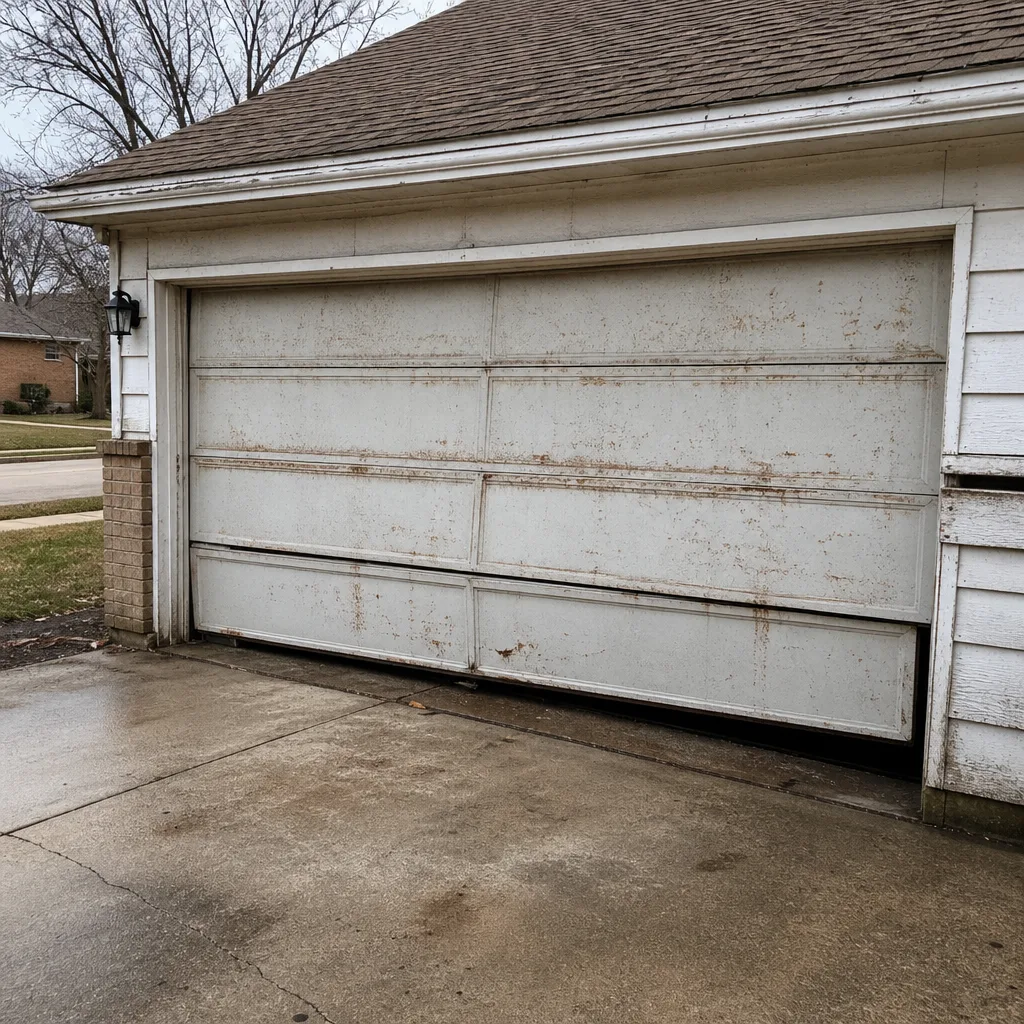 Before
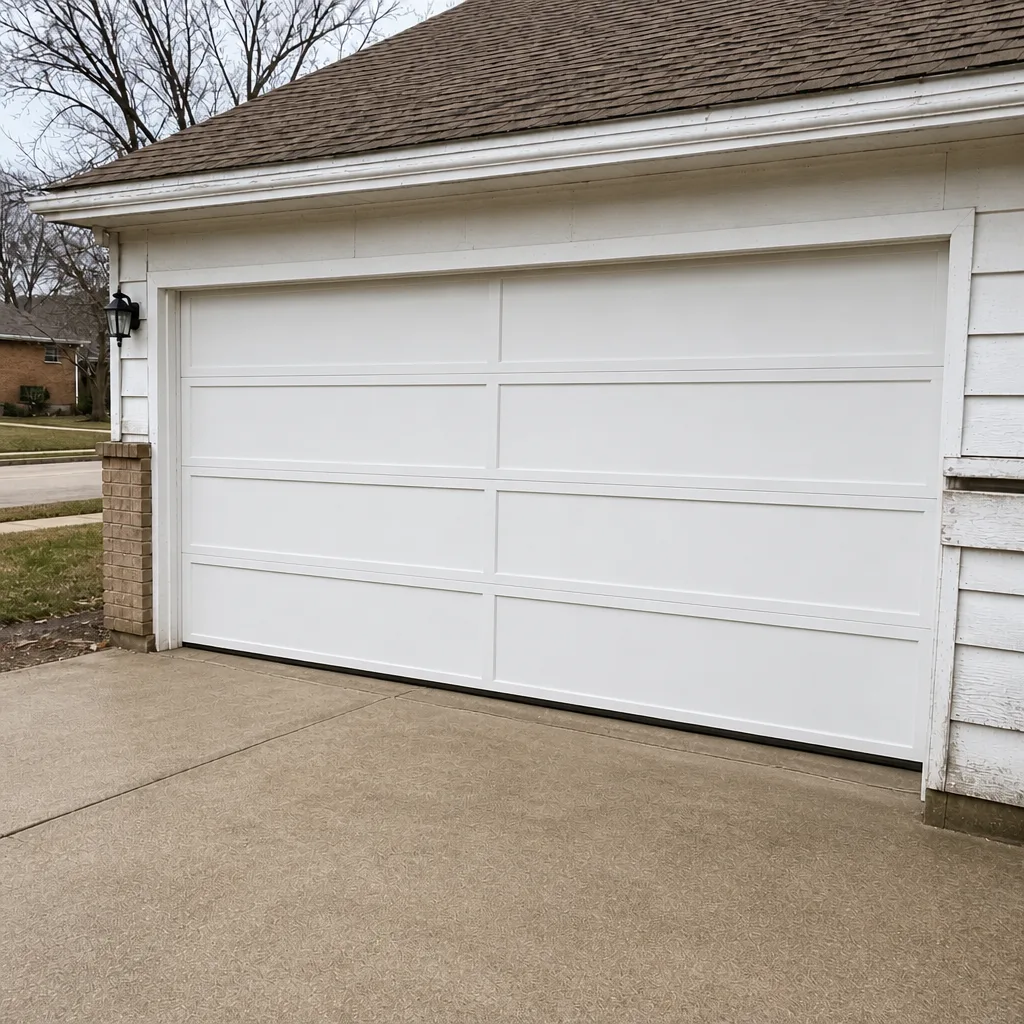 After
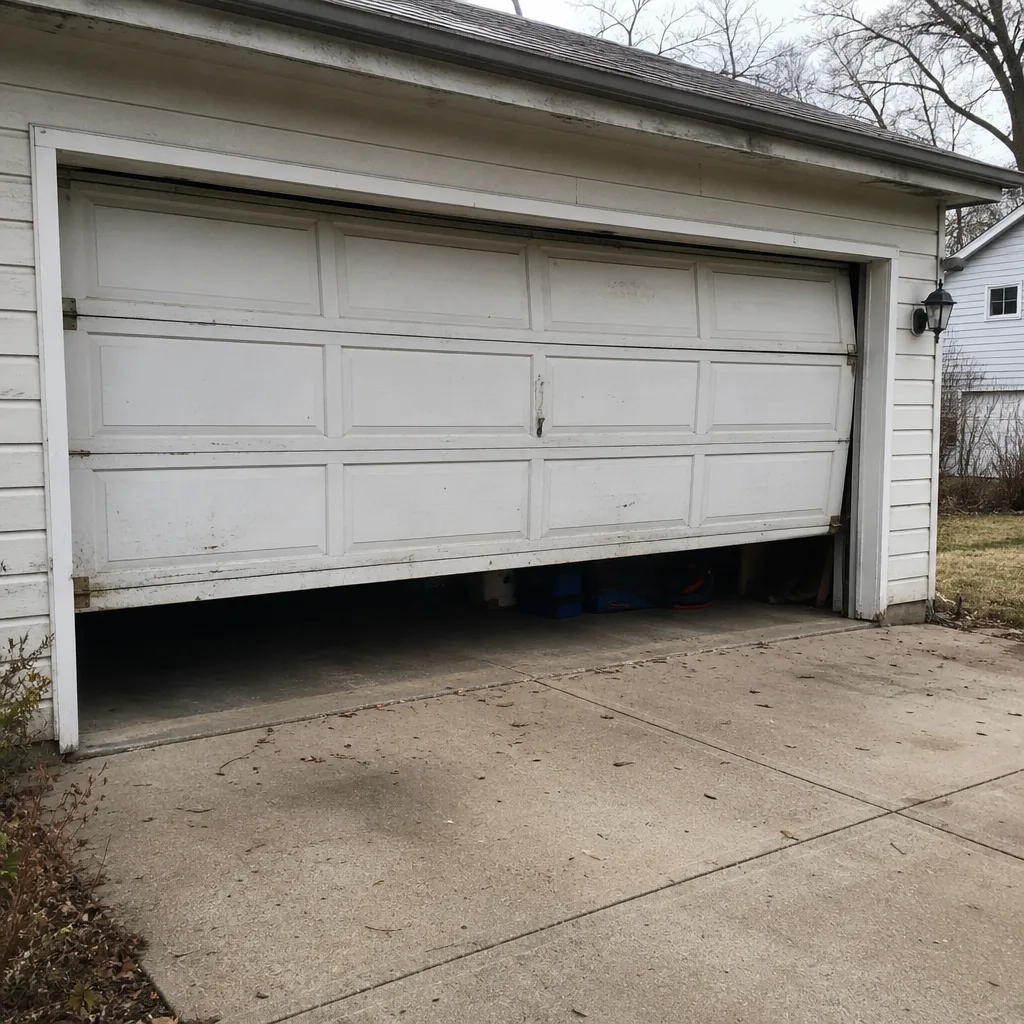 Before
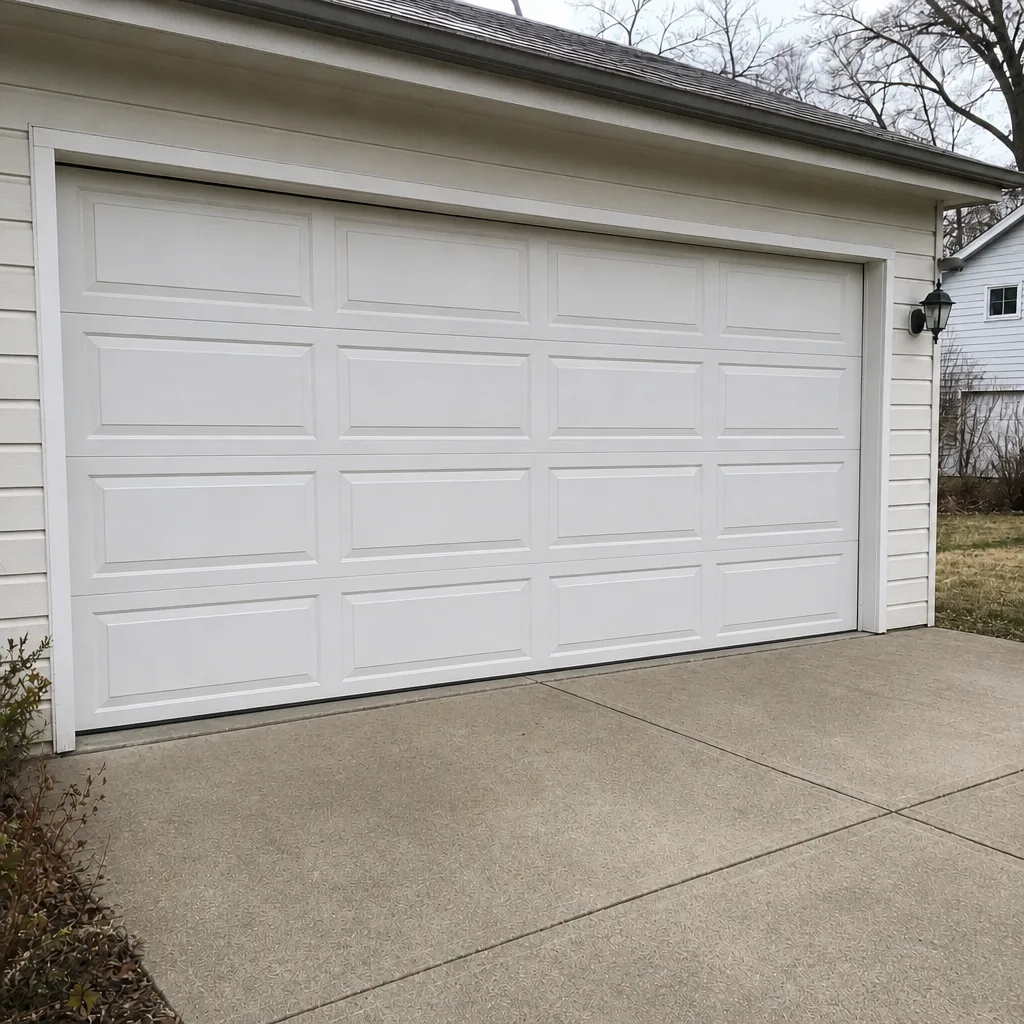 After
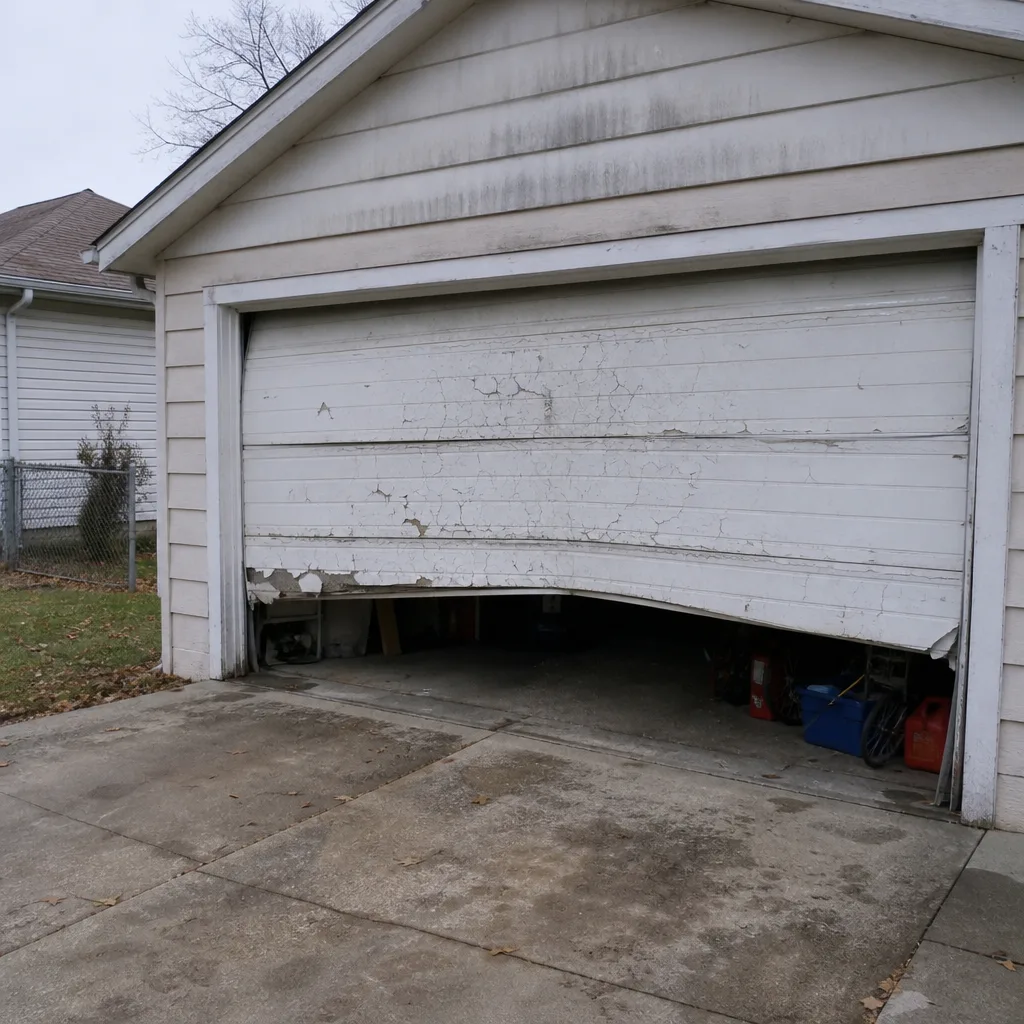 Before
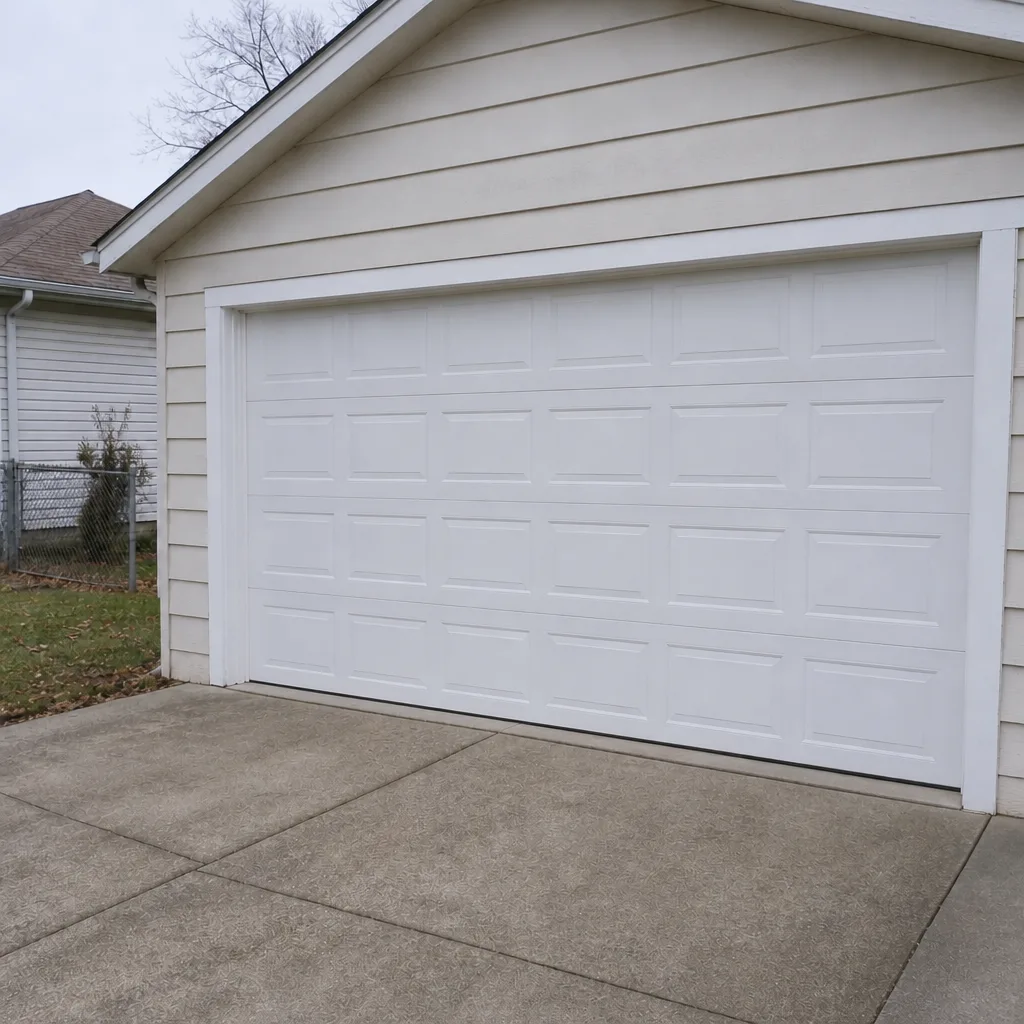 After
When to Call a Professional
Some garage door problems are straightforward wear. Others involve components that are genuinely dangerous to touch. Call a professional when you see a broken torsion spring, a door that hangs unevenly or drops partway, a door that reverses on its own, or a snapped cable. Those all involve spring or tension systems that should only be handled by a trained technician. Call us, too, before signing a quote you can’t fully explain – a second look at the line items is worth it. Honor Garage Door Repair offers free estimates in Milwaukee – call (866) 942-7695. We answer 24/7. Fast dispatch from 7am to 7pm, Sunday through Friday. Our team works on the brand already in your garage, and we’ll tell you plainly what your door needs before any work starts.
When you’re ready to talk about repair, opener service, or a full new door, one call covers it because we handle all three phases of ownership. You can also read more about what we offer at Honor Garage Door Repair.
Frequently Asked Questions
A garage door replacement in Milwaukee typically runs $1,200 to $3,800 installed for a steel door, depending on size, style, and insulation. Add $300 to $900 for an insulated upgrade, and expect springs, tracks, and disposal to be separate line items. The written estimate you receive sets the final price. Call (866) 942-7695 for an exact quote – estimates are free.
Garages built before 1980 in Milwaukee were often framed for lighter doors, so a modern door can require reinforced opener brackets, higher-rated springs, and new tracks to run correctly. The door price alone doesn’t account for that. Ask your contractor whether the header, brackets, and tracks were inspected before the quote was written.
It usually pays off if your household uses the door daily, especially through a Milwaukee winter. High-cycle springs cost $60 to $150 more per spring and are rated for roughly double the cycle life. For a door used a few times a week, standard springs may be the more sensible choice.
Same-day service is available for repair and opener problems in most cases. We answer 24/7, with fast dispatch from 7am to 7pm, Sunday through Friday. Call (866) 942-7695 and we’ll tell you what’s possible for your situation.
No – the written estimate is the price, and it’s quoted and agreed before any work begins. If we discover something genuinely different once we’re on site, we stop and talk with you before doing anything that changes the number. The point of the Honor name is that what we say we’ll do is what we do.
Yes, our technicians are state-licensed and insured, with up to 15 years of experience working on the major brands. We work on Chamberlain, Genie, Clopay, Amarr, and the other lines typically installed in Milwaukee. Call (866) 942-7695 for an exact quote – estimates are free.
The Bottom Line
Garage door pricing in Milwaukee comes down to the same handful of questions every time. What’s the door, what’s the hardware, what’s the labor, and who’s taking the old one away. The $799 sign price is real, but it rarely describes a complete job in a home built before 1980. Get the itemized quote. Ask about spring cycles and bracket reinforcement. Confirm disposal is listed. Check the warranty in writing. Do that, and the number you agree to is the number you pay. We’re glad to be the second opinion you call – see what we cover at Milwaukee and let’s get your door sorted.
Written by the team at Honor Garage Door Repair.