
Last updated November 15, 2026
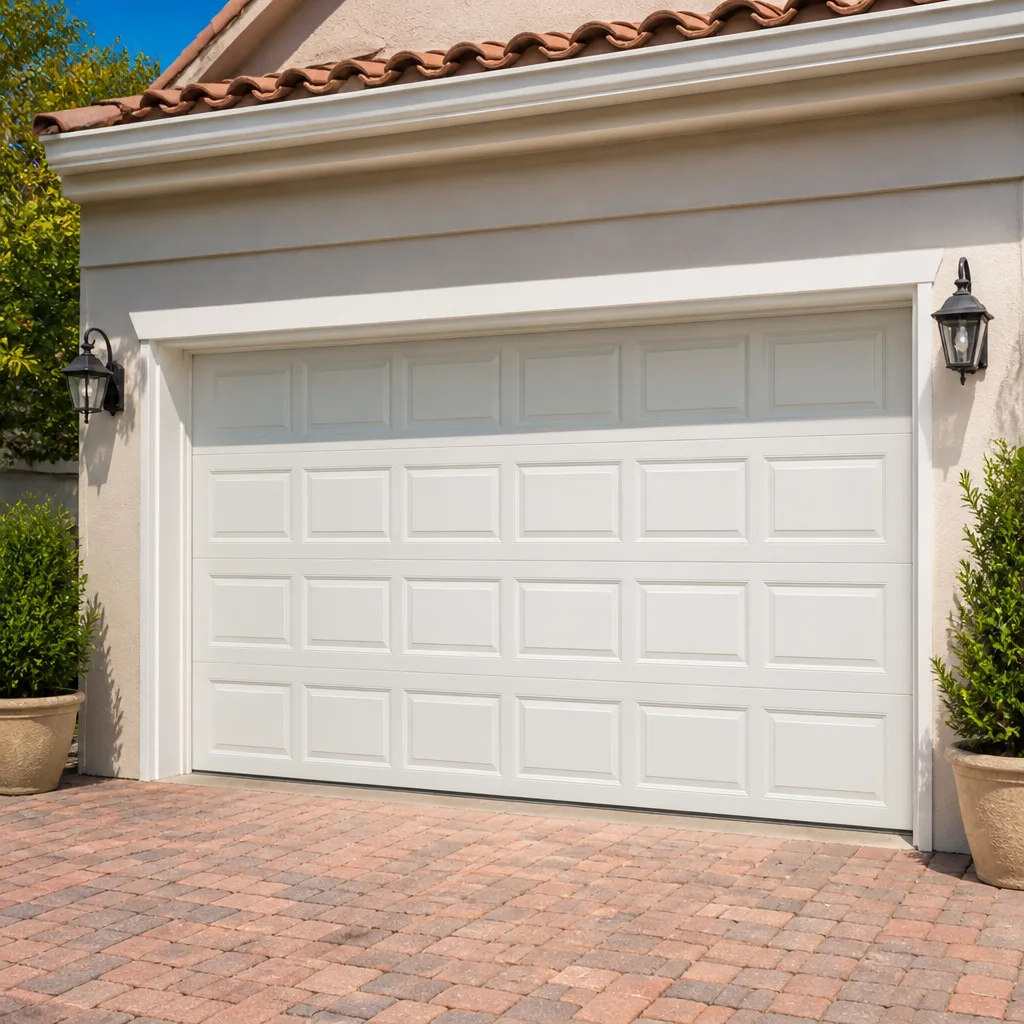 Raised-panel steel
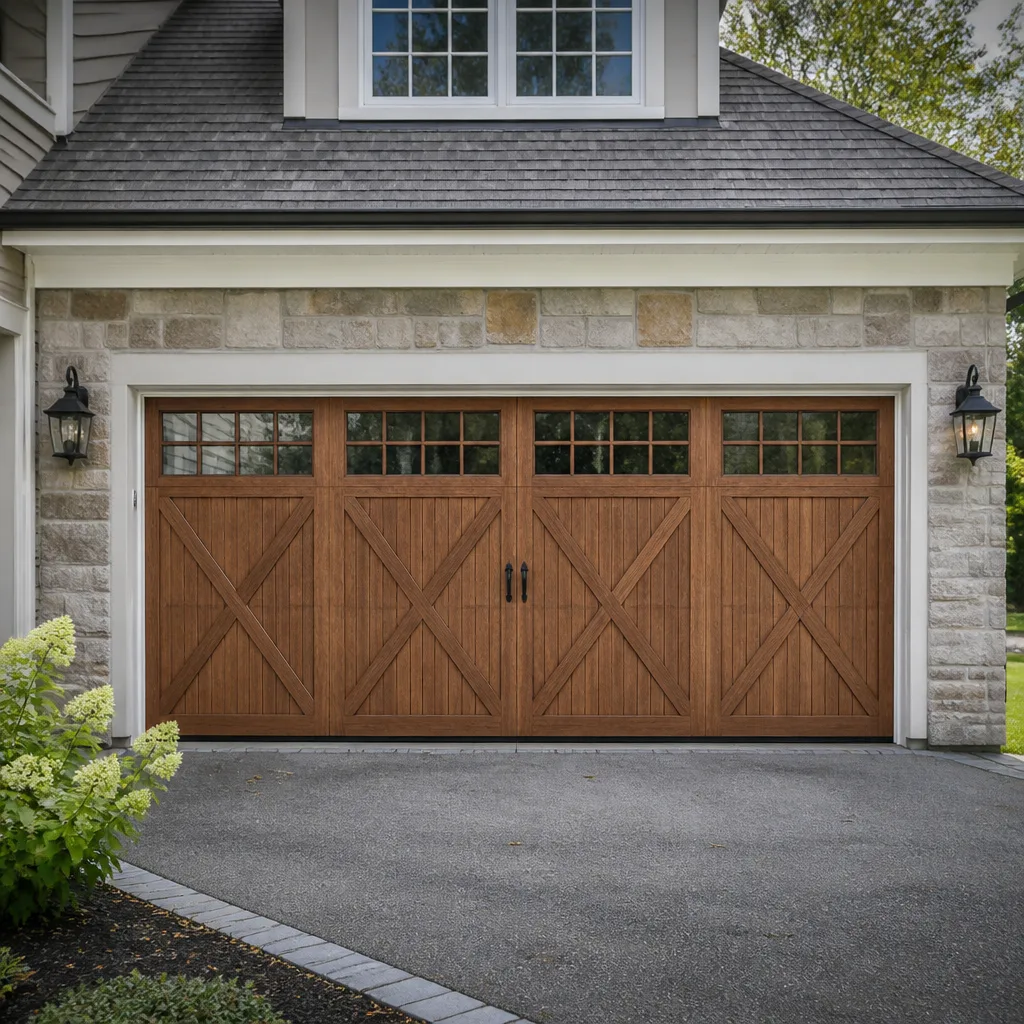 Carriage house
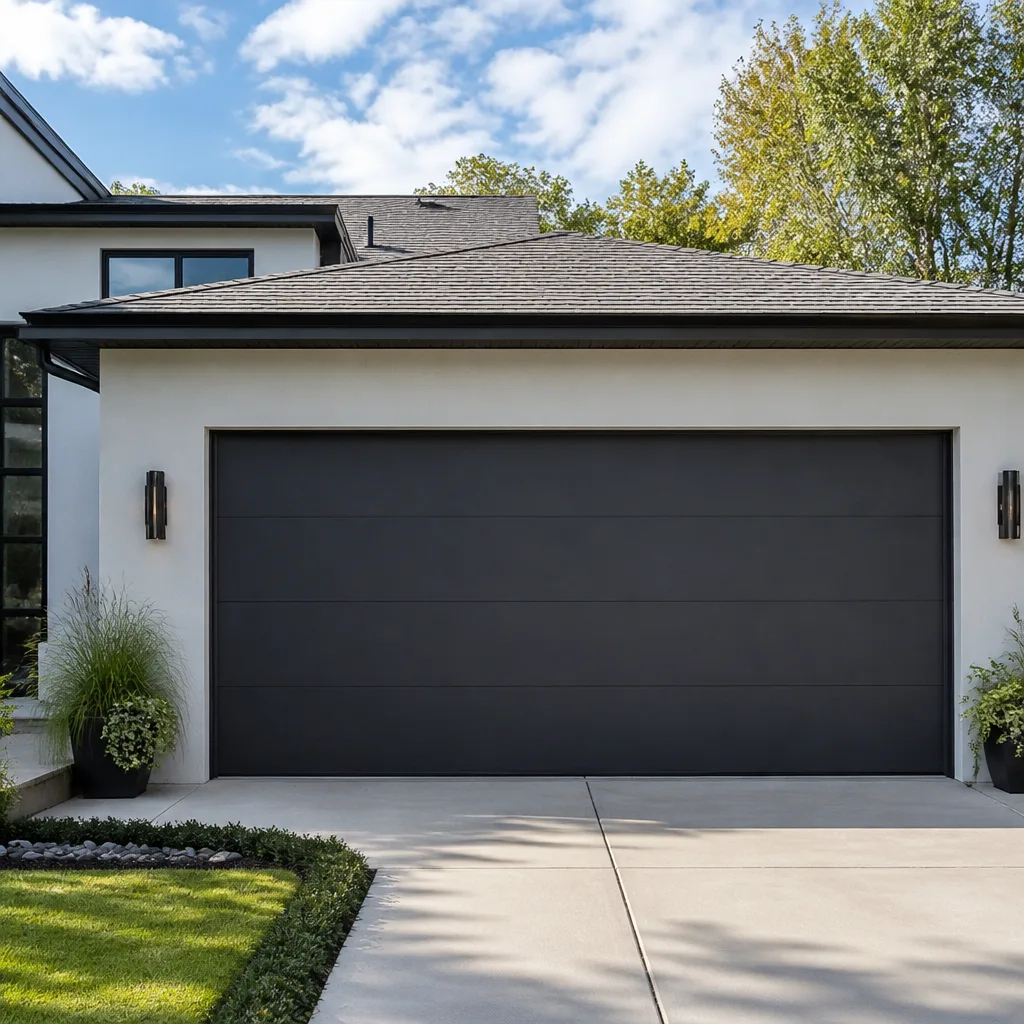 Modern flush
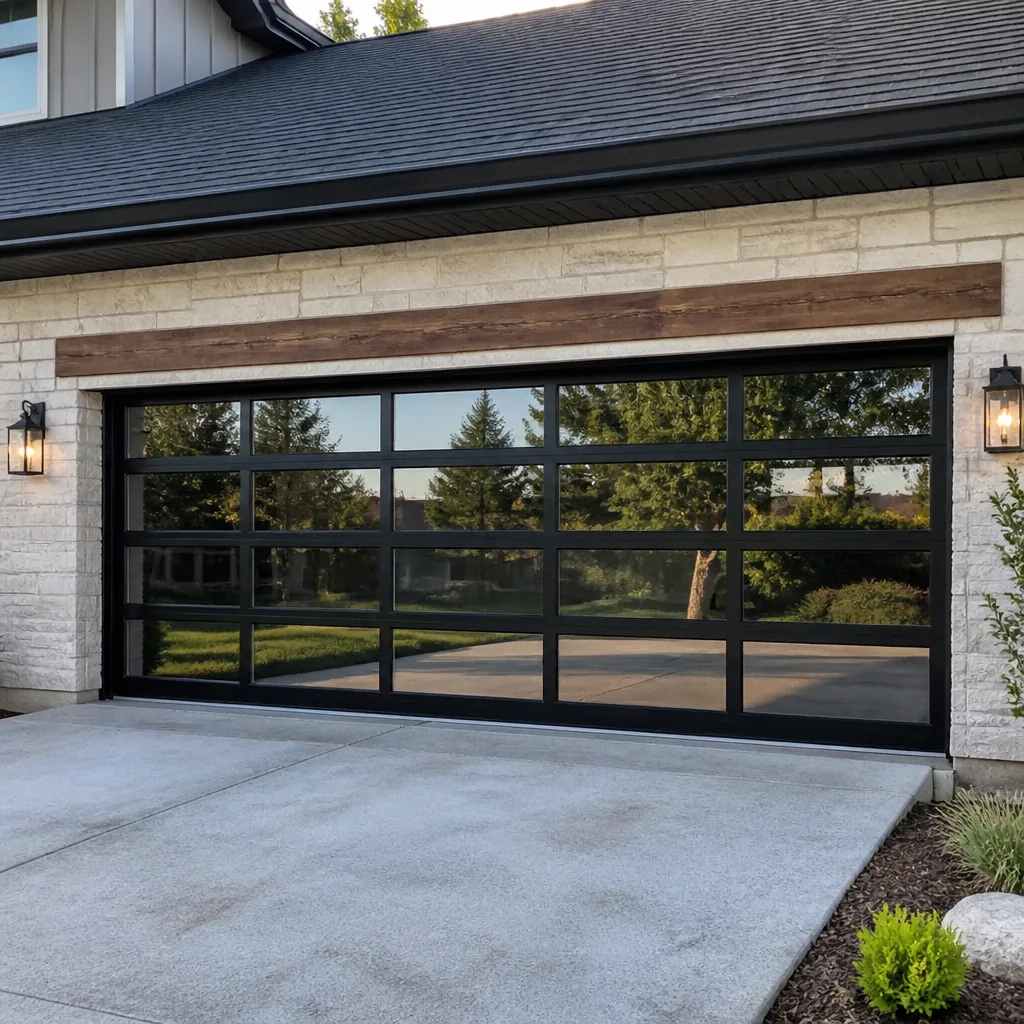 Full-view glass
 LiftMaster openers
 Chamberlain openers
Full 25-point door and opener safety check with every visit - springs, cables, rollers, tracks, and your LiftMaster or Chamberlain opener included
You get a price before we start. It does not change when the pro arrives.
Get your free estimateGarage Door Warning Signs: A Milwaukee Homeowner’s Reference Guide
A garage door that hesitates for two seconds before it moves isn’t being quirky. It’s telling you the springs are losing tension and the opener is compensating until it can’t anymore. Most homeowners in Milwaukee read that pause as normal, because the door still opens. That’s the trap. The signs that matter most are quiet ones, and they rarely look urgent from the driveway. This guide maps the sounds, the visual clues on the springs and hardware, and the opener behaviors that separate a cosmetic annoyance from a mechanical failure waiting on its next cycle. You’ll learn what can wait, what can’t, and how to tell the difference without touching anything dangerous.
Quick Answer
The warning signs that need attention soonest are a door that pauses or jerks before moving, grinding or popping sounds during travel, a door that reverses before it closes, and torsion springs that look stretched, gapped or uneven. Cosmetic issues like scuffs, minor dents and a noisy roller can usually wait for a scheduled visit. Anything that points to spring, cable or track failure should be looked at by a trained technician before the door runs again.
Styles & brands we work with
- Raised-panel steel
- Carriage house
- Modern flush
- Full-view glass
- LiftMaster openers
- Chamberlain openers
Table of Contents
- The Symptom Map: What Each Sound Tells You
- Reading Your Springs Before They Fail
- When It’s the Opener and When It’s the Hardware
- Reversal Behavior: Sensor or Track?
- The “It Still Works” Fallacy and Cost Escalation
- How Milwaukee Weather Accelerates Wear
- What You Can Check Yourself and Where to Stop
- Brand-Specific Notes for Milwaukee Homes
The Symptom Map: What Each Sound Tells You
Sounds are the most honest diagnostic tool a garage door gives you. They arrive before the visible damage does, and each one tends to come from a specific place in the mechanism. Learning to match the noise to the source saves you from guessing, and it gives a technician a head start when you describe it.
- Grinding during travel. Usually dry or worn rollers, or a torsion tube that’s binding. Grinding that gets worse over weeks points to metal-on-metal wear inside the track or at the hinges.
- A loud pop, then the door stops. This is the classic sound of a torsion spring breaking. Stop operating the door and call for garage door repair before anything else moves.
- Scraping along one side. Often the door is off its vertical alignment, or a track has bent slightly out of true. Scraping tends to worsen in cold weather when panels contract.
- A rattle at the top of the door. Loose hinge bolts, worn top brackets or a sagging panel. Small now, but rattles loosen fasteners further over time.
- A high-pitched whine from the opener itself. That’s usually a worn gear or a failing motor bearing inside the unit, not the door. It belongs in the opener category, not the door category.
We’ve worked on enough Milwaukee doors to know that homeowners often describe two or three of these at once, and they usually start in the same order: rattle, then grind, then pop. The pop is the end of the story, not the beginning. If you can catch the rattle, you’re catching the door months before the failure.
Reading Your Springs Before They Fail
Springs fail without announcement, but they leave visual clues for weeks beforehand. The trick is knowing what to look at. Torsion springs sit on a horizontal shaft above the door, and extension springs run along the sides. Both carry enormous tension, which is exactly why you look and don’t touch.
- Check for gaps. A healthy torsion spring coils tightly, like a wound spring should. If you can see visible space between coils on one spring but not the other, that spring has lost tension or is beginning to fail.
- Compare the pair. Most doors use a matched pair of springs. If one looks stretched, thinner in the middle or visibly different in length from the other, the pair is no longer balanced.
- Look for paint flaking in a line. A torsion spring that’s been under stress may show a line of cracked or flaking paint along the coil. Sometimes that’s the only outward sign before a break.
- Check extension spring gaps on side-mounted setups. A gap in an extension spring, or a spring that hangs slack, means it’s stretched past its working range.
- Watch for a tilted door. If one side of the door lifts higher than the other, the springs are no longer pulling evenly.
What an untrained eye often misses is that a spring can look fine from the floor and still be one cycle from breaking. The gap test is a useful starting point, but it isn’t a guarantee. Any spring showing those signs should be assessed by a technician before the door is used again. We treat spring work as a job for someone trained on tension systems, and we’d ask the same of anyone else.
When It’s the Opener and When It’s the Hardware
This distinction matters more than any other on the page, because it determines whether you need a technician visit or a new opener. Most homeowners assume the opener is the culprit whenever the door misbehaves. In our experience, the reverse is often true: the opener is reacting to a door that’s gotten heavier or harder to move.
The test is judgment, not tools. If the door runs smoothly when you disconnect the opener and lift it by hand, the door mechanism is fine and the problem is in the opener. If the door feels heavy or hard to lift by hand, the springs, rollers or track are the issue, and no amount of opener adjustment will fix it.
- Signs the opener is the problem: the door moves fine by hand but the opener strains, the motor whines, the unit reverses immediately on every cycle, or the remote and wall switch both fail at once.
- Signs the door hardware is the problem: the door is heavy by hand, one side lags behind the other, the door binds mid-travel, or the opener shuts off partway and needs a reset.
- Signs it’s the force setting: the opener closes the door partway and reverses without hitting anything. That’s often a binding door, not a failed sensor.
Separating these two cases is exactly the kind of honest assessment we build our reputation on. Honor Garage Door Repair handles garage door opener repair as its own specialty, across legacy units and modern Wi-Fi-enabled systems, so we can tell you whether the fix is a part or a new unit without a conflict of interest. We detail the distinction in more depth on our opener service page, but the short version is this: verify the door first, then the opener.
Reversal Behavior: Sensor or Track?
Reversal is the symptom homeowners describe most often, and it has two very different causes. A door that reverses as soon as it touches the floor is usually a sensor or force-setting problem. A door that reverses partway down, before it reaches anything, is usually a track, roller or alignment problem.
You can narrow it down without touching either component. Check whether the small sensor lights on both sides of the opening are lit and solid. If one is dark or flickering, the sensor is the suspect. If both are lit and the door still reverses, look for a track that’s bent, a roller that’s popped out of its channel, or a panel that’s slightly out of square.
Weather plays into this in Milwaukee. Repeated freeze-thaw cycles can shift a slab just enough to throw a sensor out of alignment, and grit pushed into a track during a wet spring can make a door bind and reverse. Neither case requires a new opener. Both require someone to actually look at the door, not just the remote.
The “It Still Works” Fallacy and Cost Escalation
This is the pattern we see most in Milwaukee: a door shows a warning sign in early spring, the homeowner notes it and keeps using the door, and by midsummer the door has failed in a way that costs considerably more to fix. The door does still work, technically. That’s the problem.
The typical escalation runs in three stages. In the first, the symptom is noise or hesitation, and the fix is usually a roller, hinge or adjustment. In the second, the door is heavy, uneven or reversing, and the fix might involve springs, cables or track work. In the third, the door has stopped, and now you’re looking at a repair plus a possible opener replacement and an urgent visit.
There’s also a safety side to this. A door with a weakening spring or a stretched cable is carrying load it wasn’t designed to carry, and that’s when a component fails under tension. A technician can check a door and tell you that the fault is early. The cost of an early check is smaller than the cost of a failed door, and it’s a lot safer.
How Milwaukee Weather Accelerates Wear
Milwaukee’s climate puts a garage door through a specific kind of wear that homeowners in milder regions don’t see. The freeze-thaw cycle is the biggest factor. Moisture works into the tracks, rollers and hinges, freezes, and expands. Repeat that over a winter and you get tight rollers, slightly bent tracks and fasteners that work loose.
Winter salt and grit carried in on vehicles also play a part, although the wear is on the rollers and track rather than the door itself. Summer heat then makes the door panels expand, which can make a door that ran smoothly in spring start to bind in July. The result is a door that needs its hardware checked more often than the owner expects, and a spring that’s carrying more resistance than it was designed for.
Milwaukee’s housing stock adds a second factor. Homes across neighborhoods like Riverwest, Bay View and the East Side often have older doors and openers that have been through many winters. Older hardware tolerates less abuse, and parts that were fine a decade ago are now at the end of their service life. That makes a visual inspection and a spring check more important here than in a newer subdivision.
It’s why we recommend looking at the door after the first hard freeze and again in spring, when the freeze-thaw cycle has done its damage. Two quick checks a year are a small effort compared to a spring failure in January.
What You Can Check Yourself and Where to Stop
Knowing where to stop is as valuable as knowing what to check. Some of the warning signs are safe to inspect. Nothing involving spring tension, cables or the door’s mechanical balance is safe to touch, and that’s not a limitation we invented. It’s basic physics of wound tension systems.
Safe to check yourself:
- Listen for new sounds and note whether they happen on the way up, the way down or both.
- Watch the door from the floor for tilt or uneven travel.
- Confirm both sensor lights are lit and solid.
- Check that nothing is blocking the door’s path and that the door isn’t resting on debris.
- Look at the springs from a safe distance for visible gaps or stretched coils.
- Note whether the opener reverses, strains or resets during travel.
What to leave to a trained technician:
- Anything involving the torsion shaft or the springs.
- Anything involving the cables.
- Adjusting the door’s balance or force settings.
- Working on the opener’s internal gears or motor.
- Freeing a door that’s stuck in a partly open position.
Springs and cables are under tension strong enough to cause serious injury if they’re released incorrectly. If your inspection points to either one, stop and call. We’d rather tell you the door is fine than have you find out the hard way.
Brand-Specific Notes for Milwaukee Homes
We work on the brand already in your garage, and that changes the diagnosis more than homeowners expect. A LiftMaster opener from the late 2000s behaves differently under strain than a newer Genie unit, and the parts and settings aren’t interchangeable. When we hear a whine, we know what’s inside the housing before we open it.
On the door side, a Clopay panel door and a Raynor door have different hinge and roller configurations, and that affects how a track problem shows up. Chamberlain openers have their own diagnostics, particularly on the Wi-Fi-enabled models, where the unit may report an obstruction error that’s really a force setting issue. Knowing how these systems report faults saves time and prevents unnecessary replacement.
For homeowners in Milwaukee with an older opener and a newer door, or the reverse, the brand combination often explains the symptom. We handle repair, opener service and full installation, so the advice on repair versus replacement comes from the actual condition of your equipment, not from what we have in stock. You can read more about our approach on our Honor Garage Door Repair home page.
Common Mistakes to Avoid
- Ignoring a door that hesitates. A pause before movement is the single most reliable early sign of spring wear. Booking a visit then costs far less than dealing with a failed door later.
- Assuming every failure is the opener. Disconnect the opener and test the door by hand before you price a new unit. If the door is heavy, the opener is fine.
- Bumping the force setting to keep a door moving. Turning up the opener force masks a binding door and accelerates wear on springs, rollers and the opener itself.
- Lubricating a track to stop a grinding noise. Grinding usually means worn hardware, not dry track. Lubricant on a track can collect grit and make the problem worse.
- Running a door with a visibly damaged spring. The door may still lift, but it’s operating on borrowed tension. Don’t test it again.
- Waiting for spring to check the door. Milwaukee’s freeze-thaw cycle does its worst damage in late winter, before most homeowners look. Check after the first freeze.
- Hiring whoever answers first without asking about brand experience. A technician who knows your specific brand diagnoses faster and is less likely to recommend a part you don’t need.
See the difference
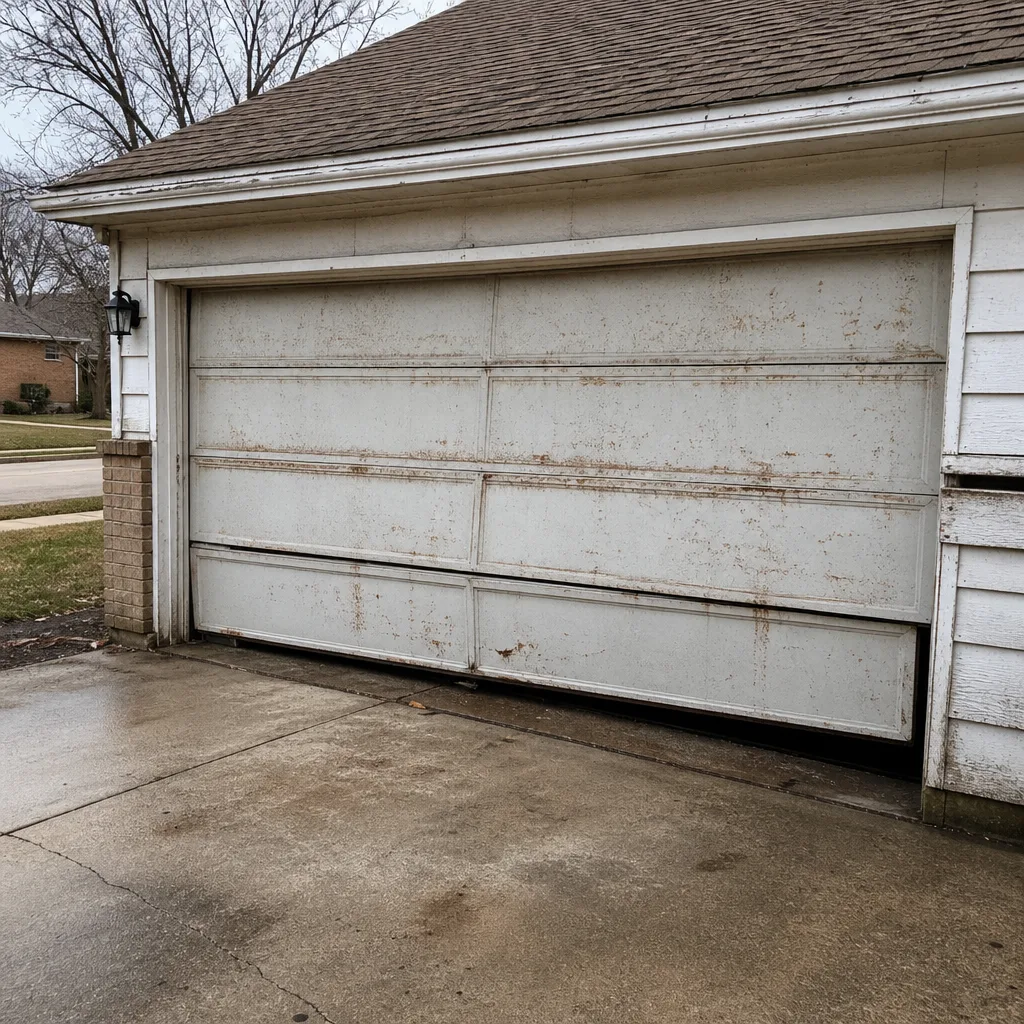 Before
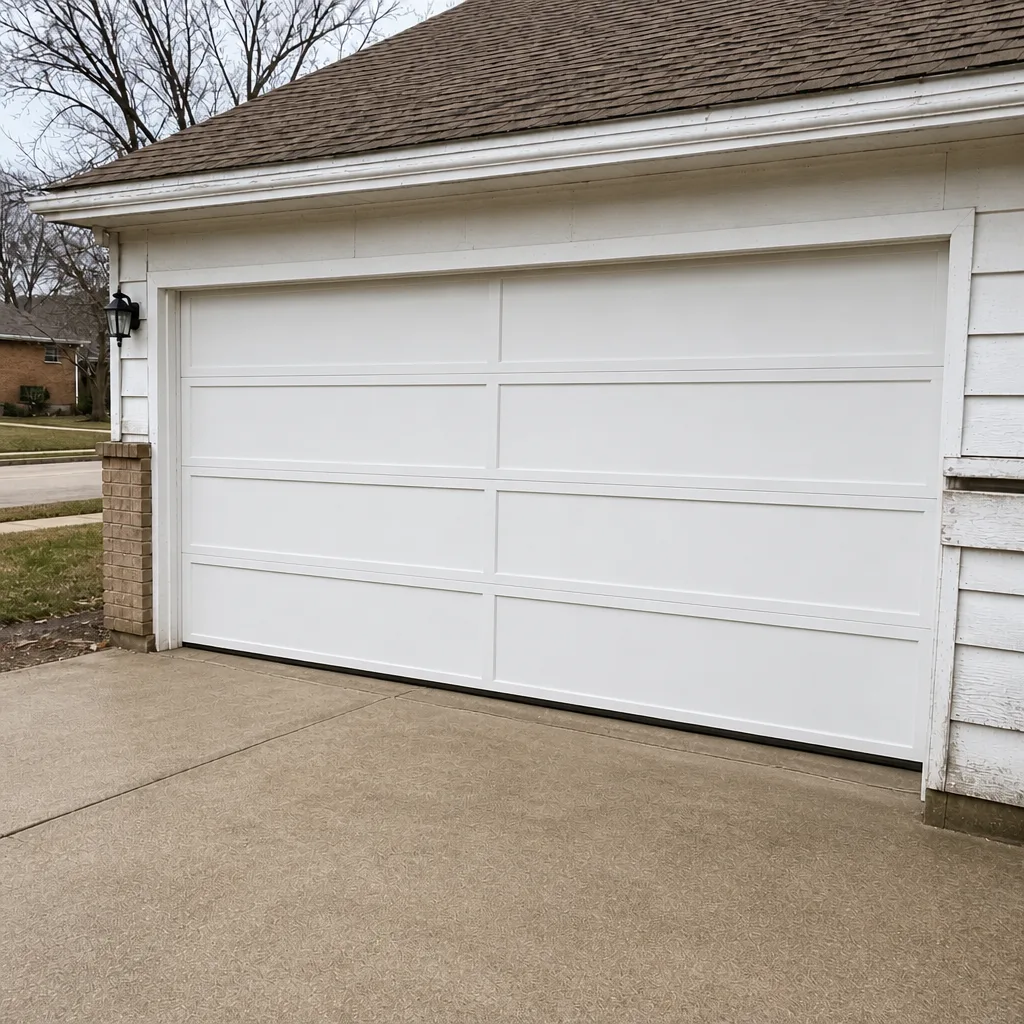 After
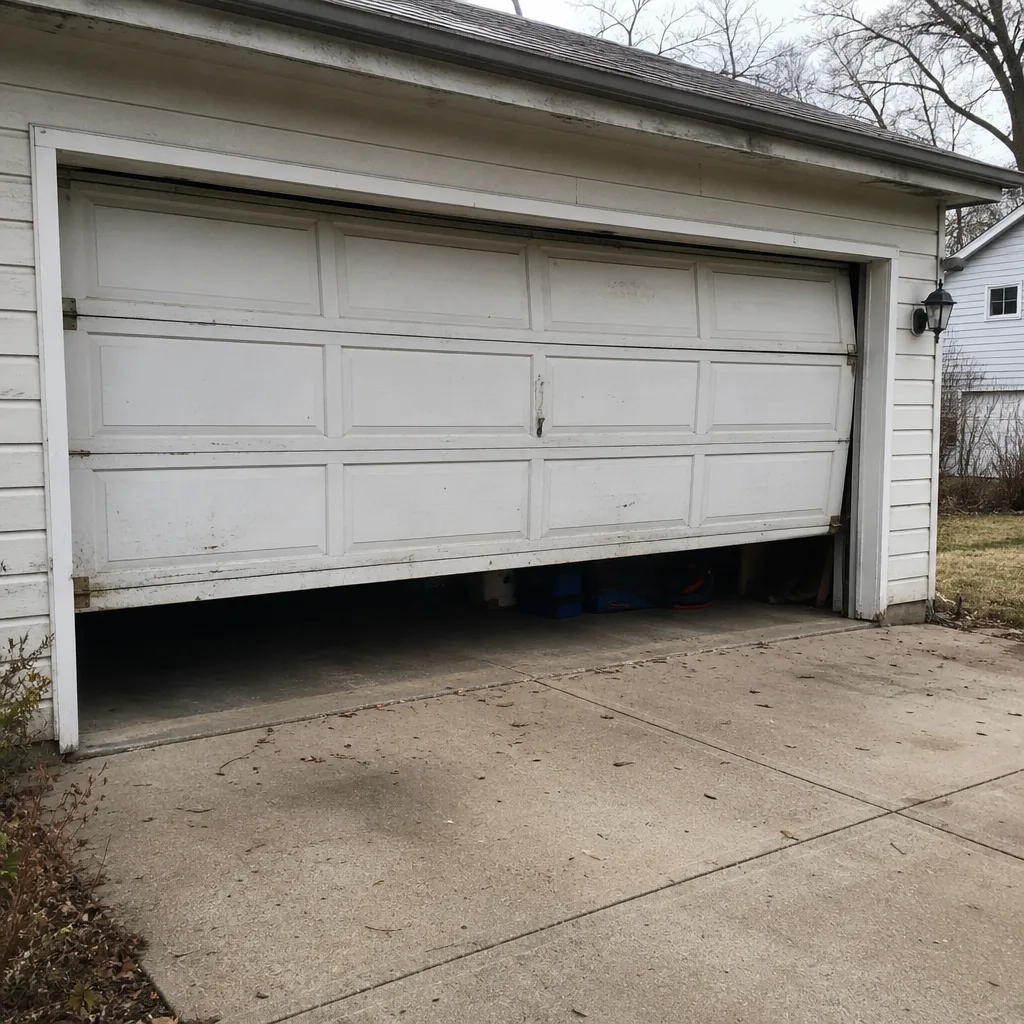 Before
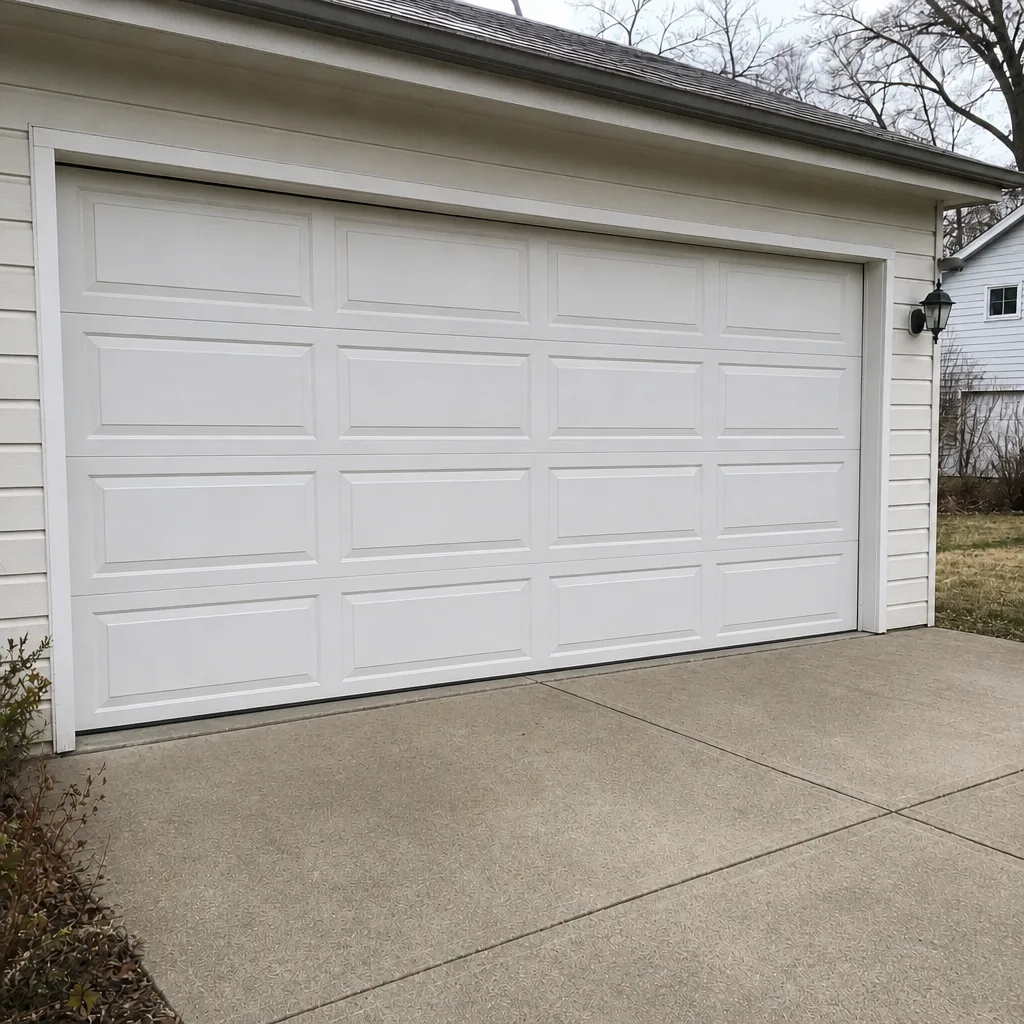 After
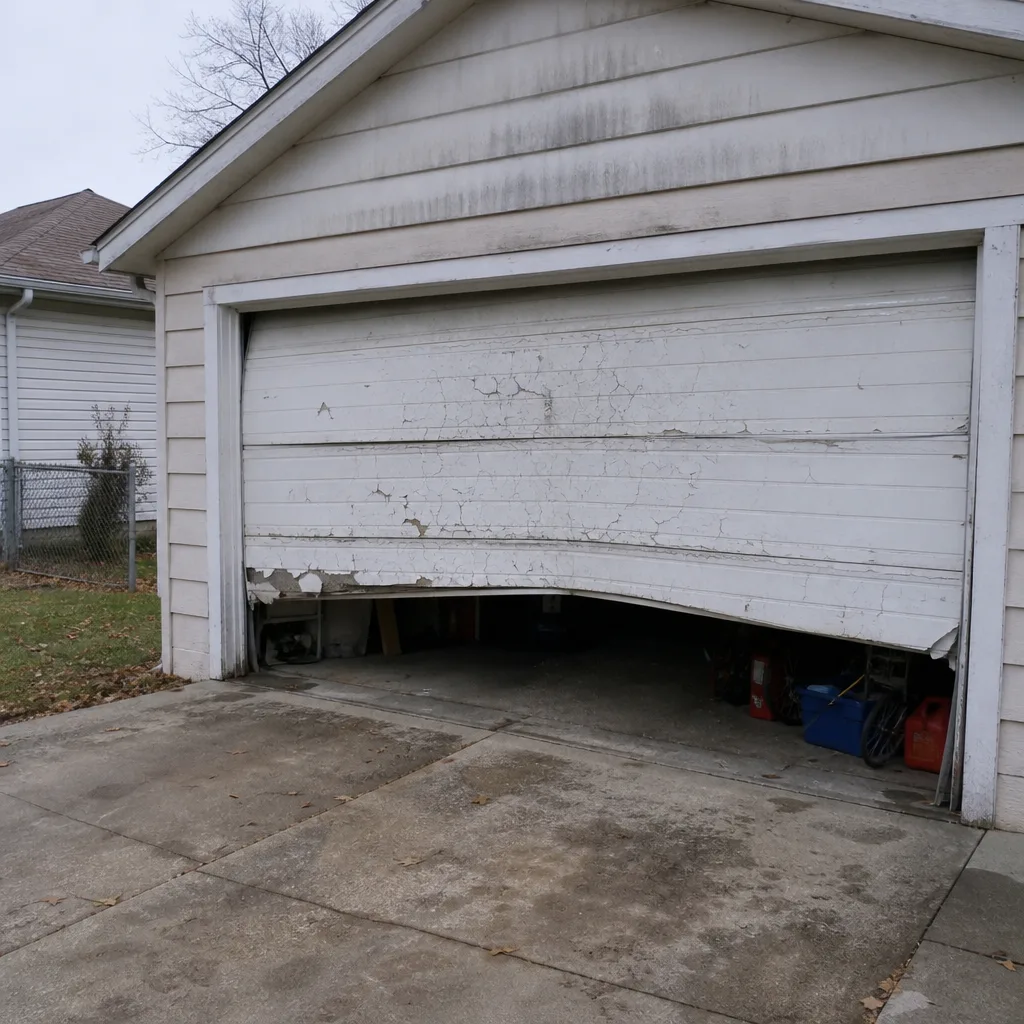 Before
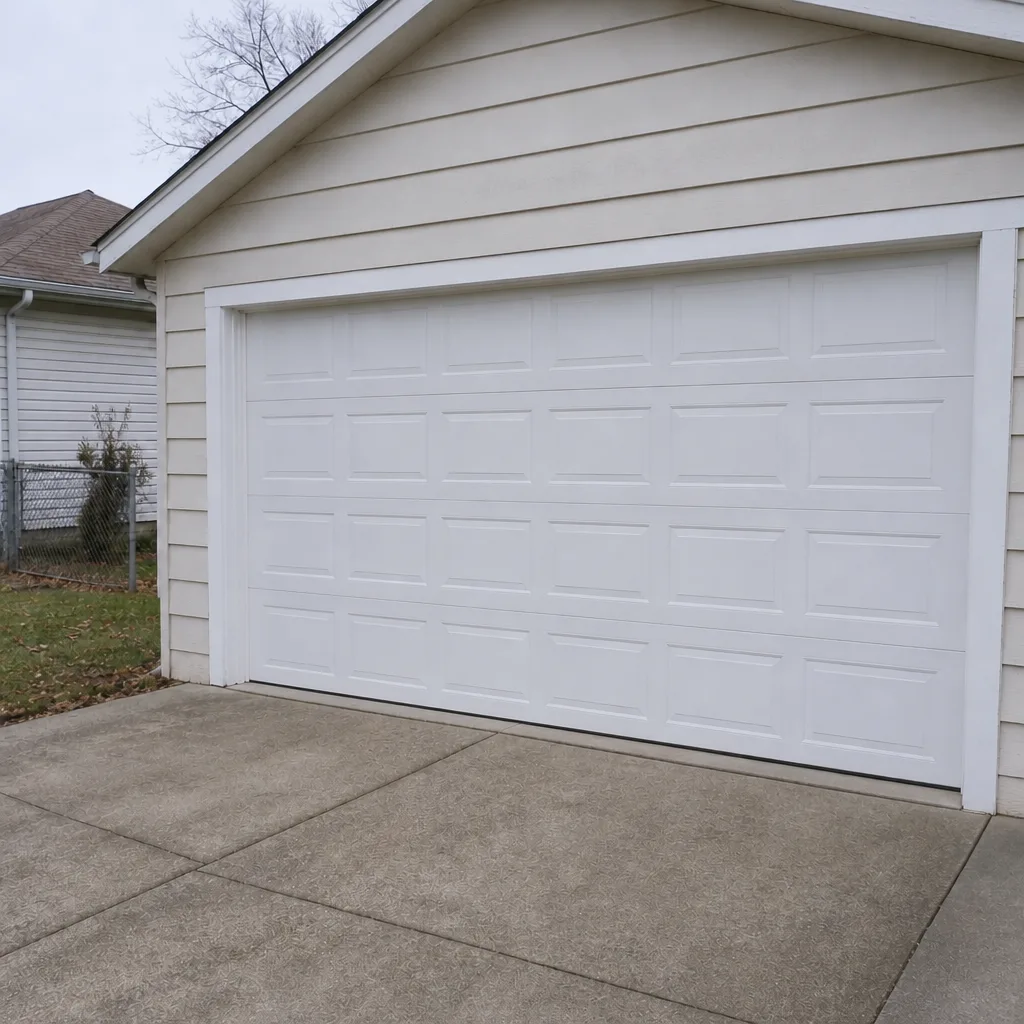 After
When to Call a Professional
Call when the door pauses or jerks before moving, when you hear a pop or a snap, when the door reverses partway down with the sensors clear, or when the springs show visible gaps or stretching. Call if the door feels heavy when lifted by hand, if one side lags the other, or if the opener shuts off mid-cycle. Those symptoms point to the parts of the system where tension and alignment are involved, and that’s not a weekend job.
Honor Garage Door Repair offers free estimates in Milwaukee – call (866) 942-7695. We answer 24/7. Fast dispatch from 7am to 7pm, Sunday through Friday, and we’re closed on Saturday. Our technicians have up to 15 years of experience, and the estimate is written and agreed before any work starts.
Frequently Asked Questions
The most common warning signs are a door that pauses or jerks before moving, grinding or popping sounds during travel, a door that reverses before it closes, and torsion springs that look stretched or gapped. Any of those four means the door should be looked at by a technician before it’s used again. Call (866) 942-7695 for a free estimate in Milwaukee.
Look for visible gaps between the coils of a torsion spring, a mismatch in length or thickness between the paired springs, and a door that tilts or lifts unevenly. A spring that shows those signs is losing tension and should be checked. Don’t test it by running the door repeatedly. Call (866) 942-7695 and we’ll assess it safely.
A door that still opens can be one cycle away from failing, because the mechanism is already working outside its design limits. A weakening spring or a binding track still lifts the door, but it puts extra load on the opener and the hardware. An early visit is cheaper than waiting for the failure. Call (866) 942-7695 to book a check.
Disconnect the opener and lift the door by hand. If it moves easily, the opener is the problem. If it’s heavy or binds, the door hardware is the problem and the opener is just compensating. That one test settles it. Call (866) 942-7695 and we’ll confirm which part needs work.
If the door reverses before it touches anything, the sensor or force setting is the usual cause. If it reverses partway down after travelling several inches, a bent track, popped roller or out-of-square panel is more likely. Check that both sensor lights are solid first. Call (866) 942-7695 if they are and the door still reverses.
A visual check after the first hard freeze and again in spring catches most of the wear that Milwaukee’s freeze-thaw cycles cause. A professional assessment is worth booking when you hear a new sound, see spring gaps or notice hesitation. Call (866) 942-7695 to schedule a free estimate.
The Bottom Line
The warning signs that matter are the quiet ones, and they split cleanly into two groups. Noise, hesitation, uneven travel and spring gaps are early mechanical signals that should be checked before the door fails. Scuffs, minor dents and a noisy roller can wait for a scheduled visit. Most Milwaukee homeowners wait too long because the door still opens, and that’s the point at which a small repair starts turning into a bigger one. Read the sounds, look at the springs from a distance, test the door by hand, and stop before you touch anything under tension.
If what you find points to a spring, cable or track, call Honor Garage Door Repair at (866) 942-7695 for a free estimate. We answer 24/7. Fast dispatch from 7am to 7pm, Sunday through Friday. We work on the brand already in your garage, we say what we’ll do before any work begins, and the written estimate sets the price.
Written by the team at Honor Garage Door Repair.