
Last updated November 15, 2026
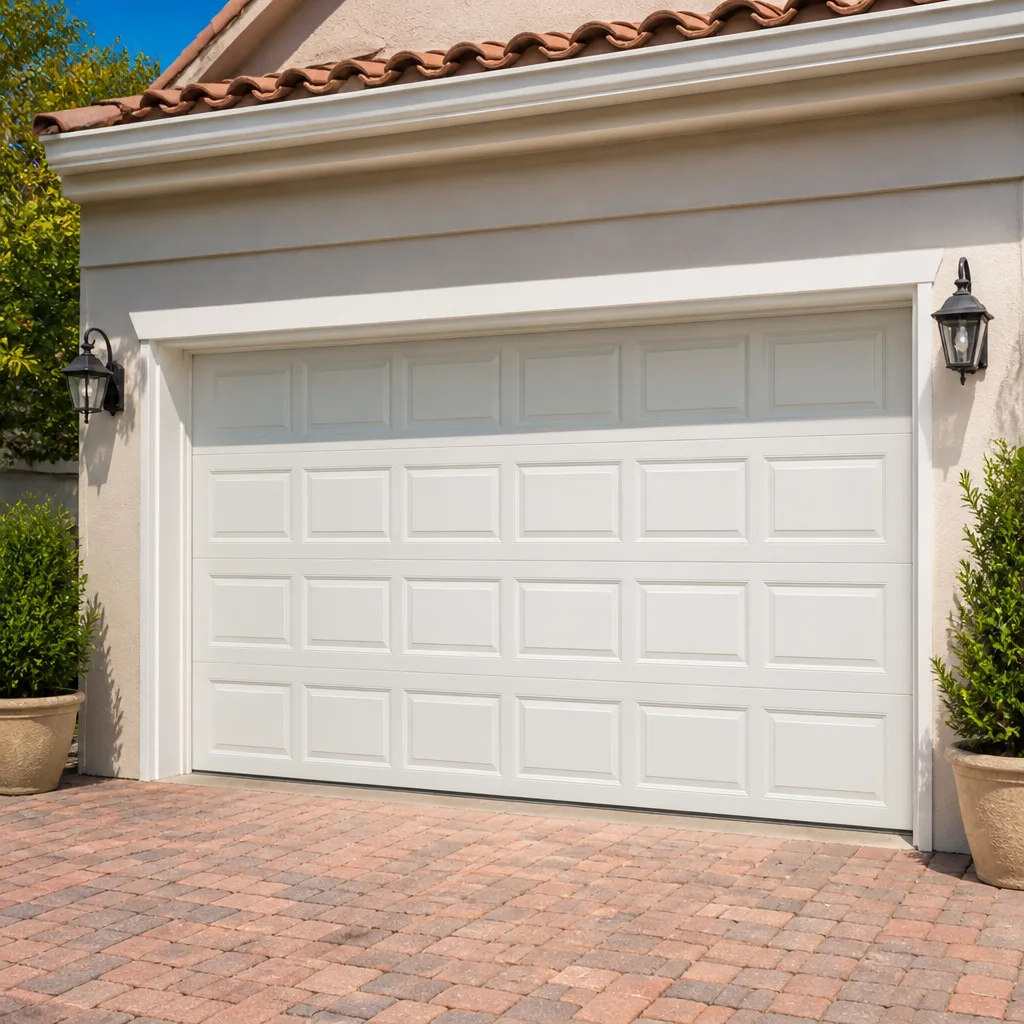 Raised-panel steel
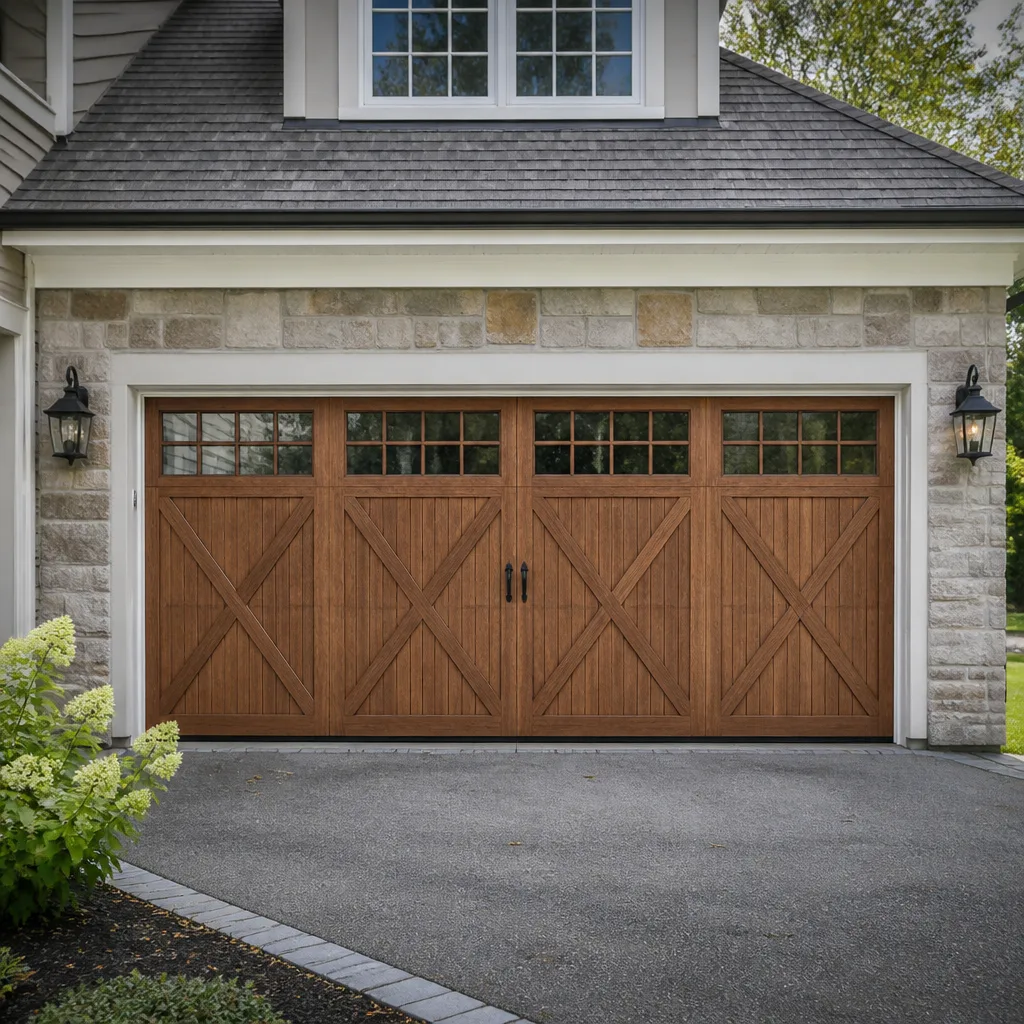 Carriage house
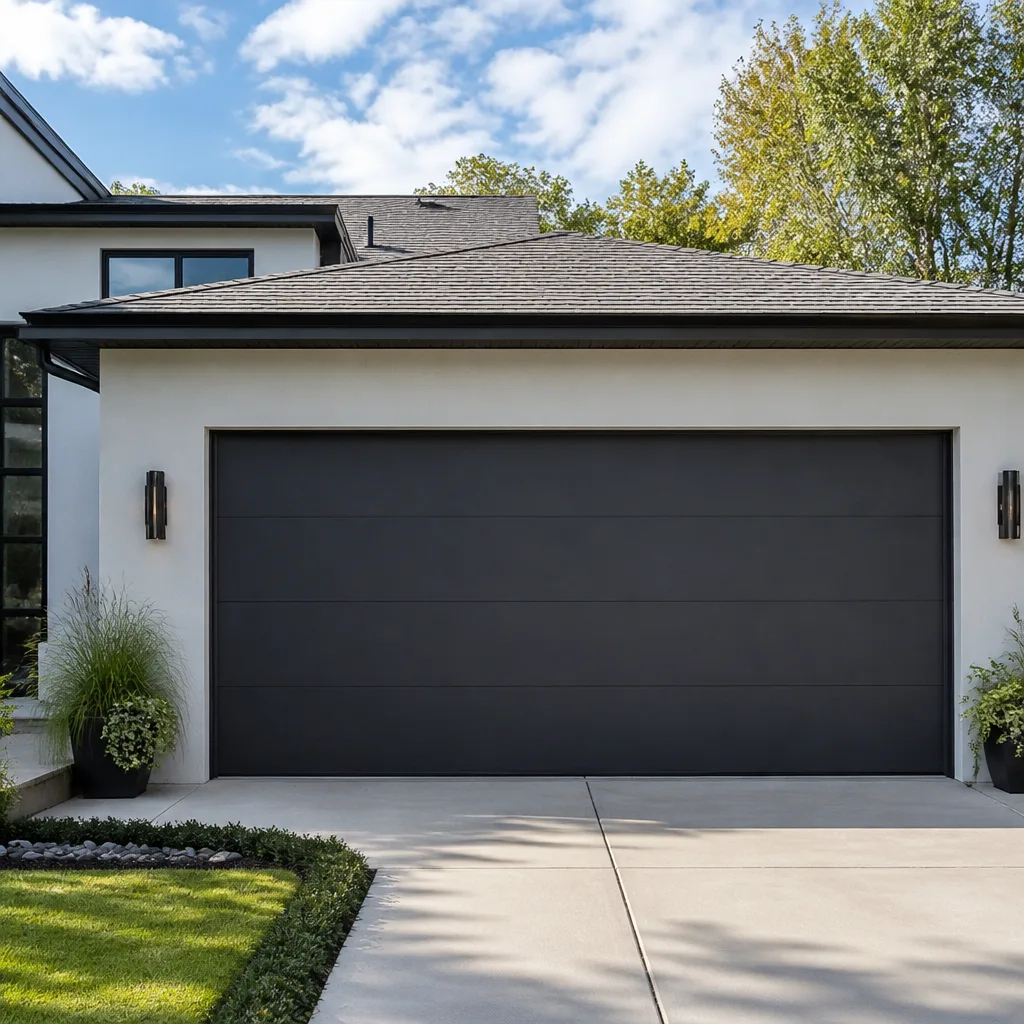 Modern flush
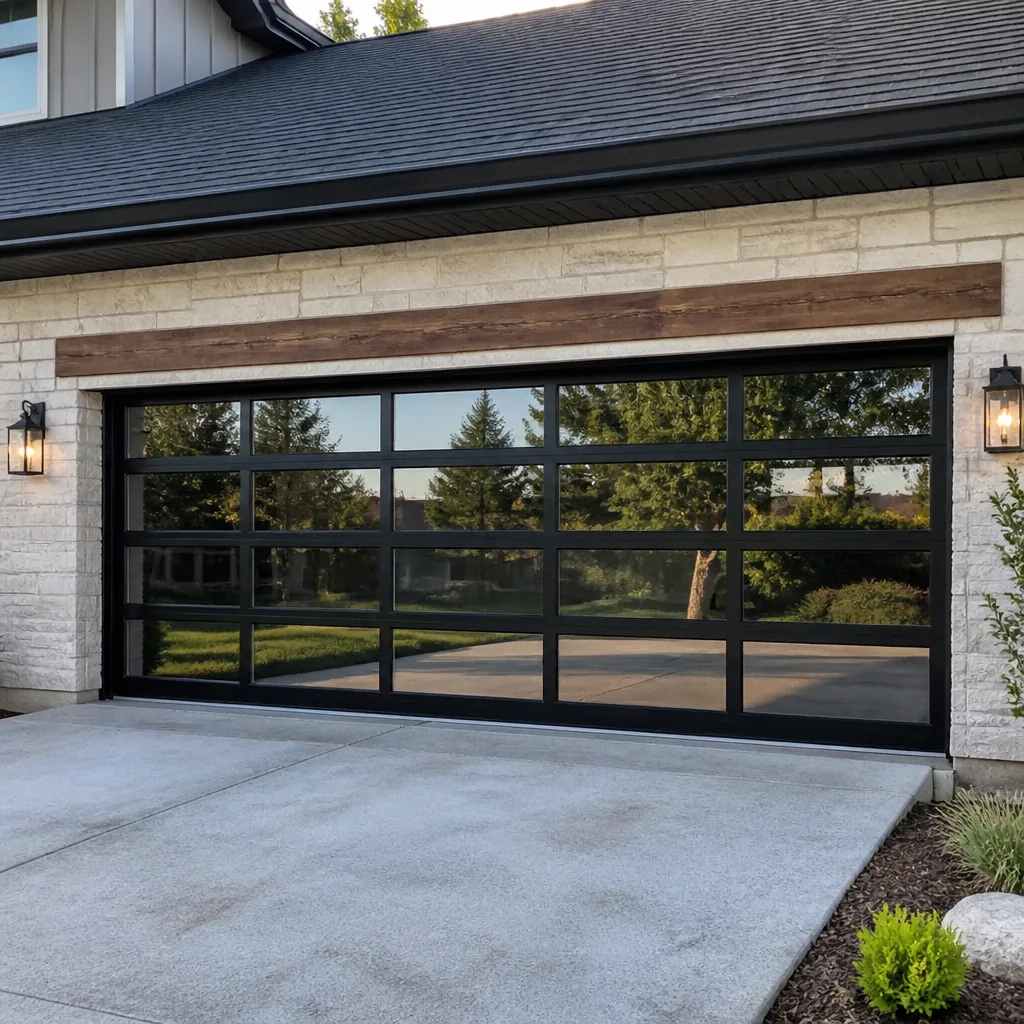 Full-view glass
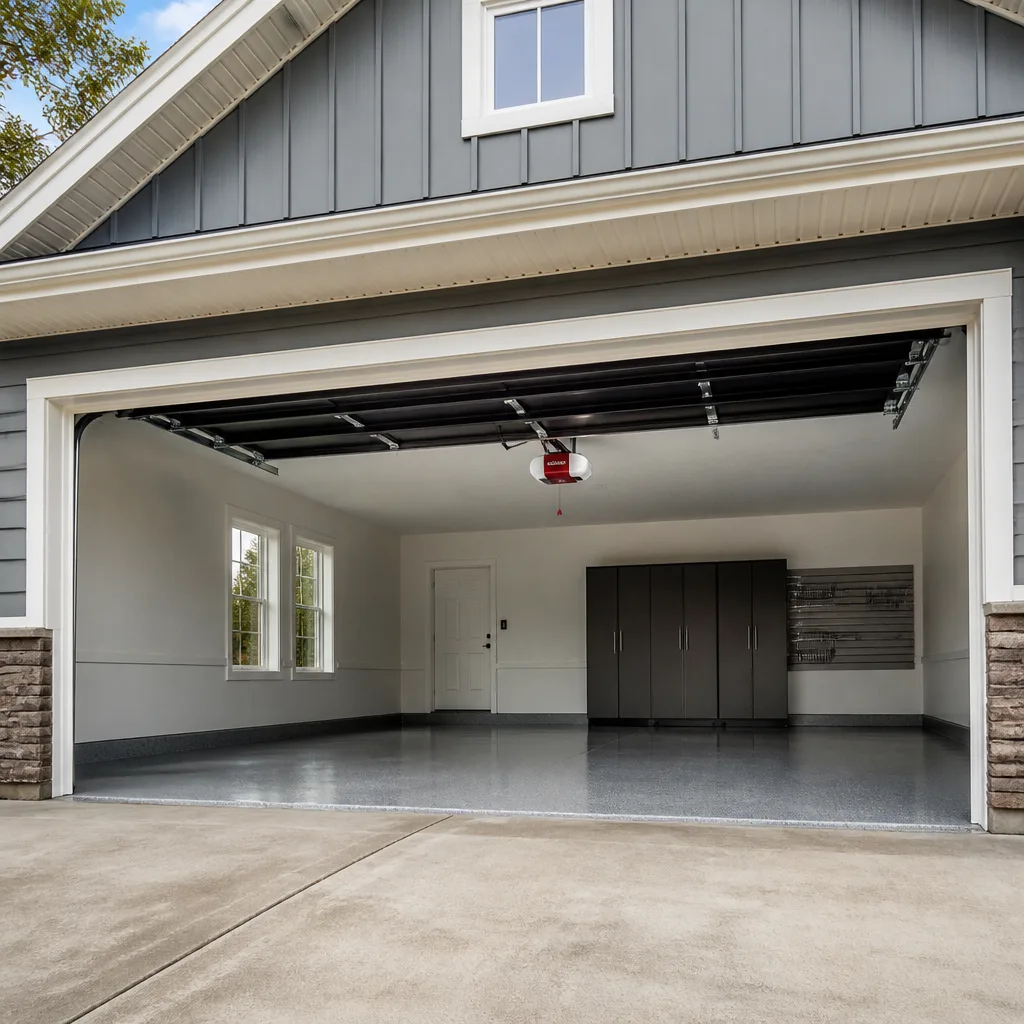 LiftMaster openers
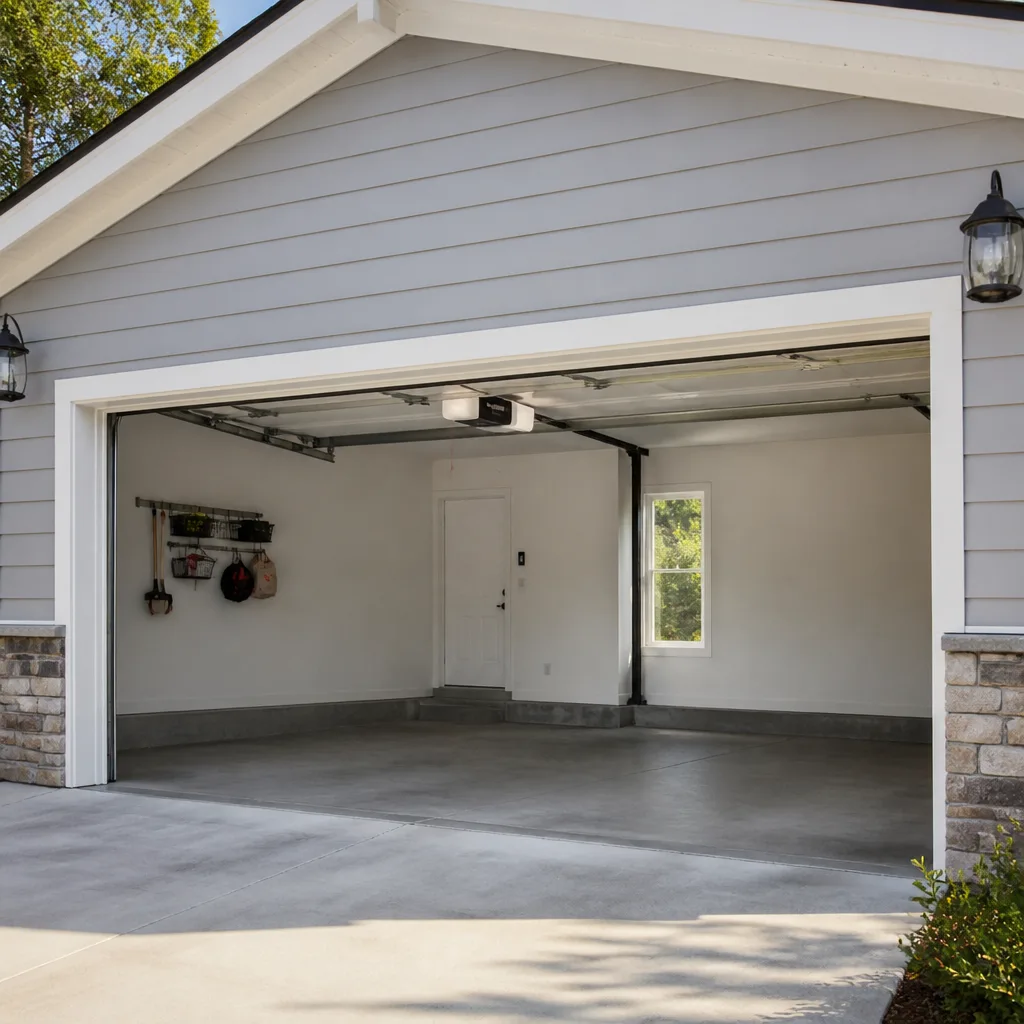 Chamberlain openers
Full 25-point door and opener safety check with every visit - springs, cables, rollers, tracks, and your LiftMaster or Chamberlain opener included
You get a price before we start. It does not change when the pro arrives.
Get your free estimateChoosing the Right Garage Door Brand: A Buyer’s Guide for Milwaukee
Here’s the uncomfortable truth about garage door brand rankings: the brand on a national magazine list was chosen somewhere else, by people who never shovel a driveway in January. A door that’s beautifully rated nationally can still be a support headache in Milwaukee if the nearest parts distributor is hours away and the spring specification wasn’t designed for repeated sub-zero cycling. What matters here isn’t the badge on the panel. It’s whether the hardware survives a freeze-thaw climate and whether someone in this region can actually get the parts. This guide explains what to check before you buy, what the spec sheets don’t tell you, and how brand choice plays out in Milwaukee.
Quick Answer
The best garage door brand for Milwaukee is the one whose hardware suits a freeze-thaw climate and whose parts are physically available in southeastern Wisconsin. Clopay, Amarr, Wayne Dalton and similar mainstream lines all make competent steel doors; the differences that matter are gauge, insulation construction, opener compatibility, and whether a local supplier can get you a replacement section or spring without a long wait. National ratings tell you less than regional parts access and cold-weather spec.
Styles & brands we work with
- Raised-panel steel
- Carriage house
- Modern flush
- Full-view glass
- LiftMaster openers
- Chamberlain openers
Table of Contents
- How Brand Choice Affects You in Milwaukee
- Parts Availability: The Hidden Brand Difference
- Cold-Weather Performance and What R-Value Actually Means
- Steel Gauge: 24-Gauge vs. 25-Gauge Over 20 Years
- Opener and Door Brand Compatibility
- Warranty Comparison: What’s Actually Covered Here
- How to Choose a Brand: Step by Step
- Common Mistakes to Avoid
- When to Call a Professional
- Frequently Asked Questions
How Brand Choice Affects You in Milwaukee
Brand choice in Milwaukee affects three practical things: how long a repair takes when something breaks, how the door behaves through winter, and how much of a hassle it is to replace a single damaged section years down the road. None of that has much to do with a star rating.
Start with how the door will be used. Milwaukee homeowners typically open and close the door several times a day, year-round, in temperatures that swing from warm summer mornings to deep winter cold. That cycle count and temperature range put specific demand on springs, hinges, rollers and opener gears. A door and opener combo that’s rated only for moderate climates can age faster in that environment, and the brand you choose determines how easily the parts get sourced when that happens.
You also want to think about the mechanical relationship between door and opener. A door brand and an opener brand have to be compatible in weight, balance and travel. We work on the brand already in your garage, which means we see where that pairing went well and where it didn’t.
Finally, consider the replacement path. Doors get hit by cars, dented by lawn equipment, and stressed by wind. When only one section is damaged, a brand with a regional parts supply lets you replace the section instead of the whole door. That’s a budget question as much as a brand preference, and it’s the argument for choosing a brand that’s widely installed in the region.
Local homes vary: a tightly sealed newer build in the suburbs stresses a door differently than an older attached garage with a single-skin door. If you’re inside a broader upgrade for your property, our guide to Milwaukee improvements is a useful companion to this one.
Parts Availability: The Hidden Brand Difference
Parts availability is the difference between a repair that’s done quickly and a repair that drags on. Two doors can look identical on the showroom floor and behave very differently once something needs replacing.
In practical terms, parts access means three things: whether you can get a replacement spring with the right specification, whether a matching door section is obtainable, and whether the opener manufacturer still supports the model’s circuit board and drive components. That’s the entire story for most households.
To evaluate parts availability before you buy, work through the following:
- Ask what brand of door is most commonly installed in the area. Brands with regional distribution networks supply parts faster than niche imports.
- Ask about a single replacement section. If the answer is that sections aren’t available, you’re committing to a full-door replacement if anything gets damaged.
- Confirm the opener model still has parts support. Legacy openers from any brand become unsupported eventually.
- Ask about spring specifications. A spring sized for a cold climate isn’t interchangeable with a light-duty one.
- Get the door’s model number and keep it with your manual. That number is what a technician needs to match parts.
We see every major brand in Milwaukee and the surrounding neighborhoods, and the pattern is consistent: brands with strong regional distribution get repairs completed sooner. That’s not an aesthetic judgment. If the spring, hinge or section isn’t locally available, a simple repair can become a longer wait, and for a family relying on the door every day, that’s the difference between a normal week and a genuinely stuck one.
Honor Garage Door Repair works on eight widely owned brands, so we can look at what’s already in your garage rather than pushing one line. That coverage is described on our Honor Garage Door Repair page.
Cold-Weather Performance and What R-Value Actually Means
R-value is a measure of how well a material resists heat flow. A higher R-value means the door insulates better and slows heat loss. For a garage attached to the house, that matters for comfort and energy consistency, not for keeping the car warm. For a detached garage, it matters far less.
What R-value doesn’t tell you is how the door performs through repeated freeze-thaw cycles. The insulation rating describes thermal performance in steady conditions. It says nothing about weatherstripping compression in the cold, hinge and roller behavior at low temperatures, or whether the panel construction handles thermal expansion evenly. Those are the pieces that show up as cold drafts, frost on the inside of the door, or a door that feels heavier in January.
Brands build insulation differently. Some use a sandwich panel with bonded polystyrene or polyurethane cores; others use a single-skin steel panel with a frame and added insulation. The construction, not just a headline R-value, determines how the door protects an attached garage.
The practical approach for a Milwaukee buyer is this:
- Choose an insulated door for a garage that shares a wall with living space. Pay attention to the edge sealing and weatherstripping, not just the R-value on the label.
- Choose a door whose manufacturer designs for cold climates. Ask directly whether the model’s spring and hardware specifications account for sub-zero temperatures.
- Ask about finish and rust protection. Winter road salt doesn’t touch the door directly, but moisture and salt tracked into the garage do, and trapped moisture along the bottom edge is where corrosion starts.
An honest installer will tell you that most R-value advantage comes from sealing the door to the frame as much as from the core. Our technicians have up to 15 years of experience with this climate, and the winter repairs we see most often start with sealing issues, not insulation ratings.
Steel Gauge: 24-Gauge vs. 25-Gauge Over 20 Years
A smaller gauge number means thicker steel. In garage doors, 24-gauge steel is slightly thicker than 25-gauge steel. That difference is measured in thousandths of an inch, but over 20 years in a freeze-thaw climate it shows up in how the door resists dents, how it holds its shape, and how much noise it makes when it moves.
The door surface takes a lot of incidental contact: a car door swinging open, a basketball, a tree branch in a storm. A 24-gauge door absorbs that kind of impact better than 25-gauge, because the steel is a bit heavier and less likely to crease. Creases are difficult to remove, and unless you can source a matching replacement section locally, a minor dent can become an aesthetic problem you live with for years.
Thicker steel also resists the hinging and folding stress of continuous operation. A door that’s in and out several times a day for two decades will flex around its hinges and rollers. Heavier gauge holds its geometry better. That translates to quieter operation and, generally, fewer alignment and hardware issues as the door ages.
How to think about the gauge difference:
- If the door is on an attached garage with heavy daily use, favor a 24-gauge steel door over a 25-gauge one.
- If the door is on a light-use detached garage, 25-gauge may be a reasonable trade-off for cost.
- Confirm the gauge of the door surface, not just the frame. Some manufacturers use a heavier frame and a lighter panel, so ask for the panel spec.
- Check the finish warranty separately from the panel warranty. Steel can be the right gauge and still have a weak finish, and the finish is what fails first in a wet, freezing environment.
If a repair rather than a replacement is the immediate need, that’s routine garage door repair and we can advise on whether a repair still makes sense for a door whose panels are already failing.
Opener and Door Brand Compatibility
Opener and door brands don’t have to match, but they have to be compatible. A brand mismatch shows up gradually, usually around the third year of service, as the opener struggles with a door that doesn’t need to struggle.
The mechanism is straightforward. An opener is rated for doors within a certain weight range and balance range. If the door is heavier than the opener’s rating, or if the door’s balance has shifted, the opener works harder and its gears, travel limits and force sensitivity begin to complain. In a freeze-thaw climate, well-sealed doors can bind slightly in cold weather, and an opener that was chosen for weight but not for cold-weather tolerance will show it first.
Opener-specific compatibility issues also appear with smart-home and Wi-Fi-enabled systems. Newer openers connect with apps, and some doors and safety sensors interact with those systems in ways that legacy openers never had to handle. If the door brand you choose is older than the opener, the opener may not be supported as long.
The brands we most often see in Milwaukee homes include LiftMaster and Chamberlain on the opener side, and Clopay and Amarr on the door side. Matching hardware from brands that design for each other cuts the compatibility risk significantly. Where brands don’t match, the fix is usually calibration and force adjustment rather than replacement.
Opener repair is a distinct service that gets bundled into general handyman work too often. A technician who understands the door and the drive system both is what you need, and that’s exactly what garage door opener repair is meant to be.
Warranty Comparison: What’s Actually Covered Here
Warranty language gets complicated fast, and the coverage that matters most in Milwaukee is specific: rust, finish fading, and spring cycles. What’s covered in the fine print is all that counts.
Warranties generally split into sections: the door panel and finish, the hardware and moving parts, and the spring cycle count. Each has different terms and different limits. Read them as separate documents, because the finish warranty is often much shorter than the panel warranty.
- Rust coverage. Look for the term and what it excludes. Some warranties exclude rust along the bottom edge, where trapped moisture causes most corrosion. Ask whether the bottom seal and weatherstripping are replaced as part of warranty service.
- Finish fading. The finish is exposed to UV, freeze-thaw cycling and moisture. Finish warranties are often shorter than structural warranties, and fading is frequently excluded beyond a short opening period.
- Spring cycles. Springs are rated in cycles, not years. A warranty that covers a spring for a fixed cycle count effectively describes how long that spring is expected to last. Ask for the cycle rating, and ask whether the warranty covers labor as well as the part.
- Labor coverage. Many warranties cover parts but not labor. For a simple spring replacement, the labor can be a meaningful part of the total.
Road salt exposure matters here. The door doesn’t sit on the road, but salt tracked in from a car wheels and boots brings chloride into the garage. It gets trapped in the door’s bottom seal, and that’s the corrosion zone. Ask the brand a direct question: does the warranty cover bottom-edge corrosion in a region where road salt is used?
We don’t hide behind terms. When we install a door in Milwaukee, we tell you what the manufacturer’s warranty covers and what it doesn’t, before the order is placed.
Warranty terms differ by brand and by model within each brand. If you’re unsure what your current door is covered under, the honest answer starts with the Honor Garage Door Repair repair assessment.
How to Choose a Brand: Step by Step
Choosing a brand is a process of elimination, not a search for the perfect name. Work through it in this order and the choice usually becomes obvious.
- Check what’s already in your garage. If you’re replacing rather than starting fresh, note the existing door brand and opener brand. Staying with the same door brand simplifies parts compatibility and lets the installer work with door specifications you already know.
- Get the model number. Every door and opener has a model number on a label. That’s the key to parts lookup, warranty lookup and accurate advice.
- Confirm regional parts access. Ask the brand or installer where replacement parts for that model ship from. A brand with regional distribution wins over one with a distant supply chain.
- Match the door gauge to your use. Heavy daily use on an attached garage favors 24-gauge. A lighter-use detached garage can use 25-gauge.
- Check the cold-weather spec. Confirm the spring and hardware are specified for cold climates, and check the weatherstripping details.
- Confirm opener compatibility. Check the door’s weight and balance against the opener’s rating, and ask whether the opener model is still supported.
- Read the warranty sections separately. Panel, finish, hardware and spring coverage are different documents.
- Get a written estimate. Confirm the price in writing before any work begins.
Steps like inspection and assessment are straightforward, but don’t shortcut the parts and warranty questions. They’re the ones that determine what happens at year five and year fifteen.
Common Mistakes to Avoid
- Buying on national reputation alone. A great national rating doesn’t mean local parts access. Ask where replacement sections and springs come from before you buy.
- Ignoring the opener when replacing the door. A new door on an old opener can shorten both. Match the door’s weight and balance to the opener’s rating.
- Comparing R-value without checking weatherstripping. An insulated door with poor edge sealing still lets in cold air. The seal matters as much as the core.
- Choosing 25-gauge for heavy daily use. The thin-steel decision costs money at year ten, when dents become difficult to repair and sections become harder to match.
- Treating the finish warranty as part of the panel warranty. These are separate, and the finish term is usually shorter. Read both before relying on either.
- Assuming the spring is covered under the same warranty terms as the door. Springs are rated in cycles. A warranty that doesn’t state the cycle rating tells you very little.
- Letting a small alignment problem wait until it’s an opener problem. A door that’s out of balance slowly wears the opener’s gears and force settings. Fix the alignment first, not the opener.
Any of these can be corrected before a purchase. Once the door is installed, changing the choice costs what a second installation costs.
When to Call a Professional
Some brand decisions you can research on your own. Others need a technician’s eyes before a choice is safe. Call a professional when a door is grinding or binding and you’re not sure whether the problem is the door or the opener; when a spring has broken, because springs are under high tension and are dangerous to touch; when a door is out of balance or a cable is frayed; or when you’re choosing between repair and replacement and need a straight assessment of which makes sense for the specific door that’s there.
Installation of a new door isn’t a weekend project either. The door and opener have to be matched, the springs have to be set to the correct tension, and the safety sensors have to be aligned. That’s measurement and calibration work, not assembly.
Honor Garage Door Repair offers free estimates in Milwaukee, so you can get a straight answer and a written price before committing to anything. Call (866) 942-7695. We answer 24/7. Fast dispatch from 7am to 7pm, Sunday through Friday.
Frequently Asked Questions
The best brand is the one whose hardware is designed for a freeze-thaw climate and whose parts are available in southeastern Wisconsin. Clopay and Amarr are common in this region, and both make 24-gauge steel doors with parts support through local distribution. If you’re weighing specific doors, call (866) 942-7695 for an honest comparison – estimates are free.
R-value matters most for an attached garage that shares a wall with living space, and much less for a detached garage. The insulation core, the construction (sandwich panel vs. single-skin with added insulation), and the edge sealing all matter together. A higher number on its own doesn’t tell you how the door seals against cold drafts or handles repeated freeze-thaw cycling.
For a door on an attached garage with heavy daily use, yes. The thicker steel resists dents and holds its shape better over a long lifespan, which means quieter operation and fewer alignment issues over time. For light use on a detached garage, 25-gauge can be a reasonable cost trade-off.
Yes, but only if the opener is rated for the new door’s weight and the balance matches. Check the door’s weight range against the opener’s rating, and confirm the opener model still has parts support. If the door is meaningfully heavier than the opener’s rating, replacing both together is usually the better decision.
Warranties typically split into panel, finish, hardware and spring coverage, and the terms differ. Finish coverage is usually shorter than panel coverage, and spring coverage is usually stated in cycles rather than years. Ask specifically whether bottom-edge corrosion is covered, since road salt tracked into the garage is where corrosion usually starts.
Look for the manufacturer’s label on the inside panel or on the frame. The label usually shows the brand and model number. If the door is older and the label is worn, a technician can identify the hardware by the spring setup, hinges and track style. Call (866) 942-7695 and we can walk you through what to look for.
The Bottom Line
Brand choice in Milwaukee should be driven by three things: parts availability in the region, cold-weather suitability, and steel gauge. National ratings and showroom appearance don’t survive a Wisconsin winter the way a 24-gauge door with an insulated frame and good weatherstripping does. Check the model number, confirm where parts ship from, match the gauge to your door’s daily use, and read the warranty sections separately. Then get a written estimate before you commit. The right brand for your Milwaukee garage is the one that’s still getting parts and holding its shape fifteen years from now.
If you want a straight assessment of what’s in your garage and what your options are, Honor Garage Door Repair works on the brand already there. Call (866) 942-7695. We answer 24/7. Fast dispatch from 7am to 7pm, Sunday through Friday.
Written by the team at Honor Garage Door Repair.
See the difference
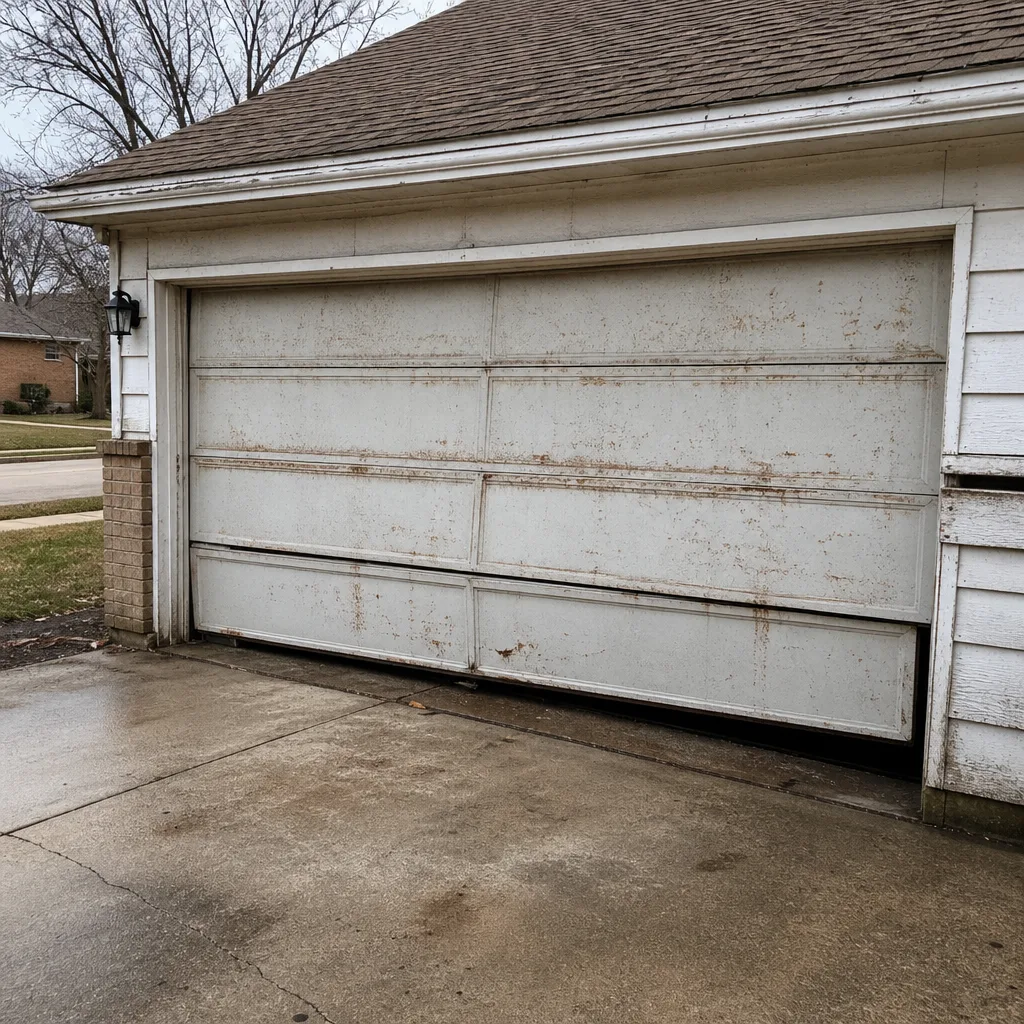 Before
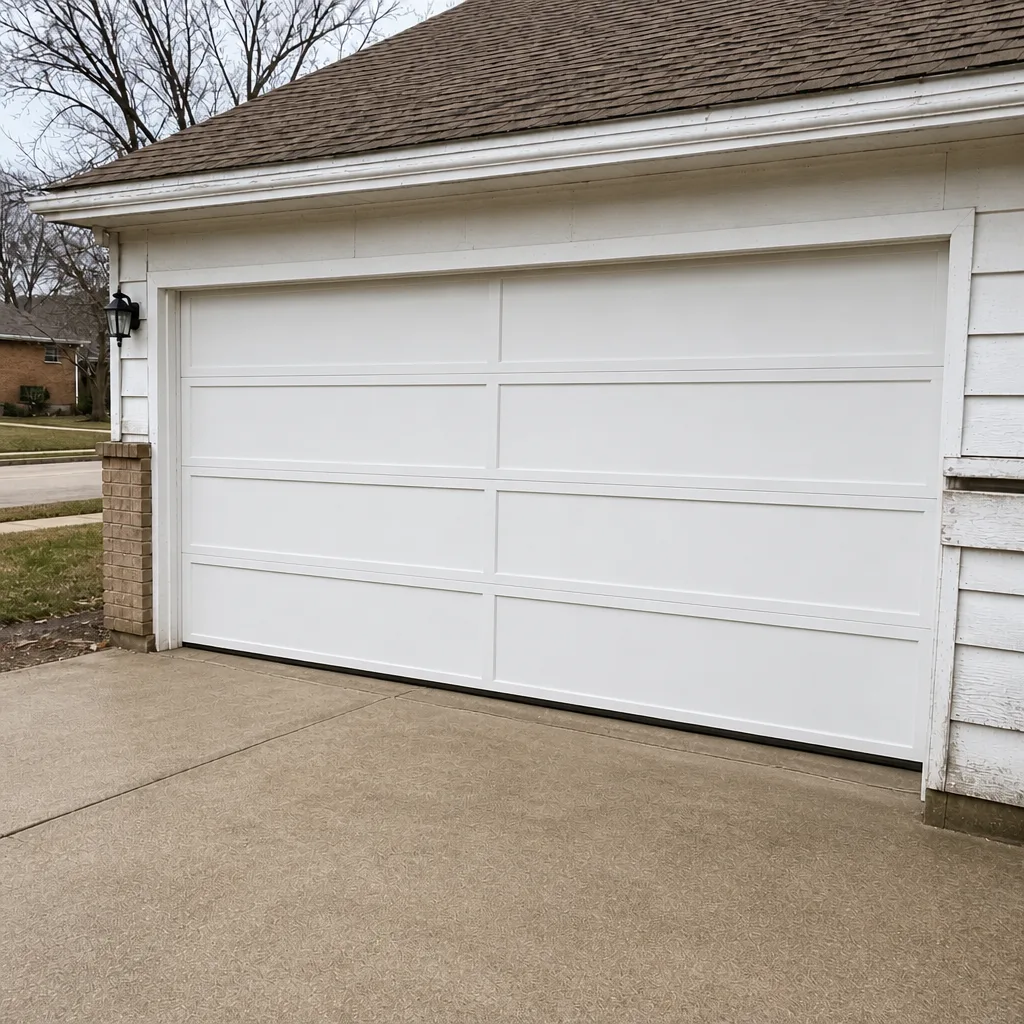 After
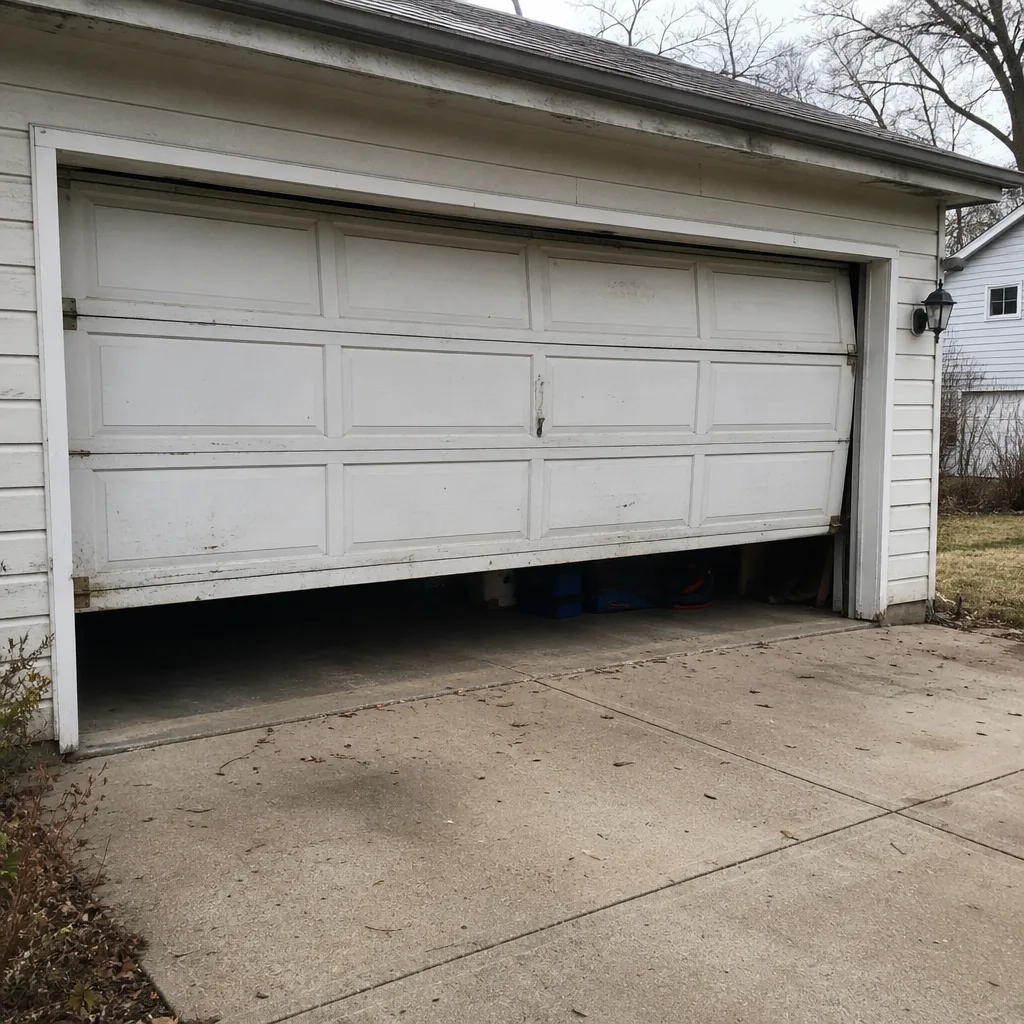 Before
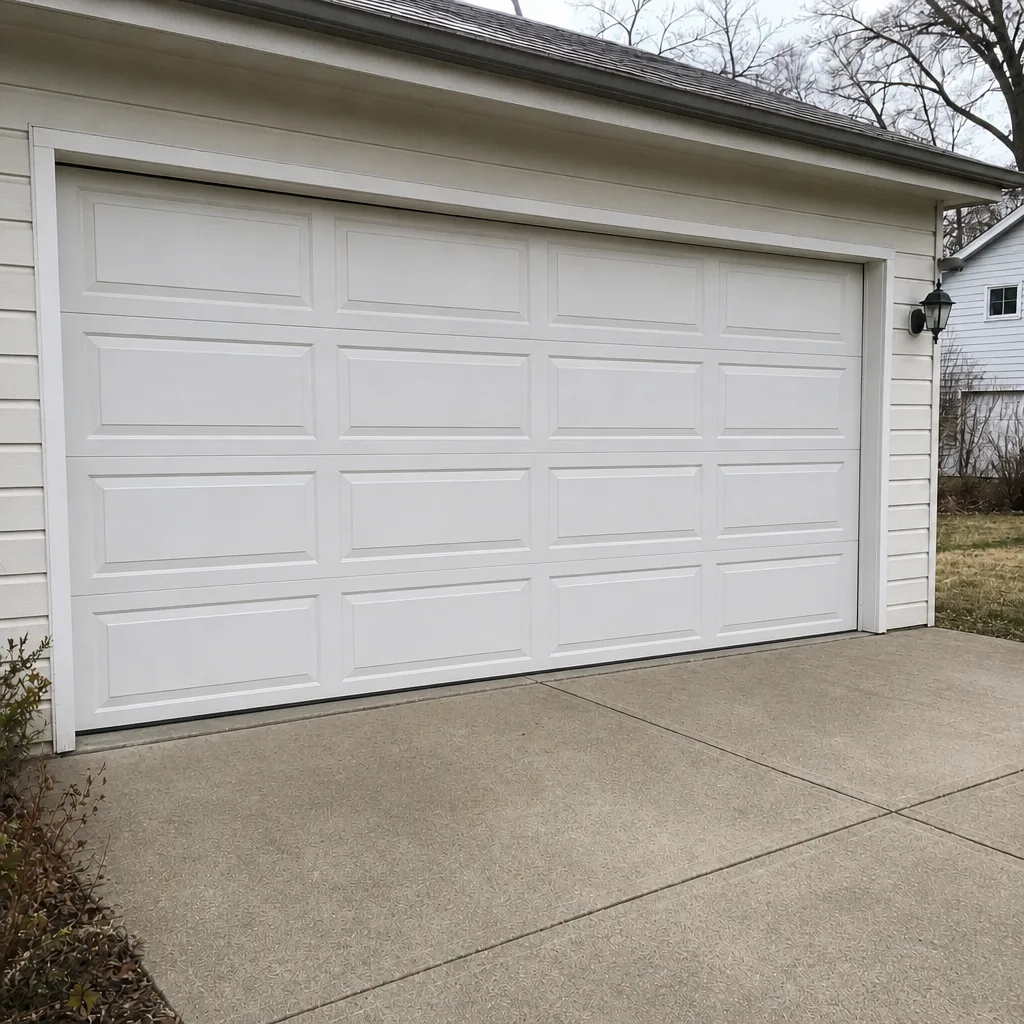 After
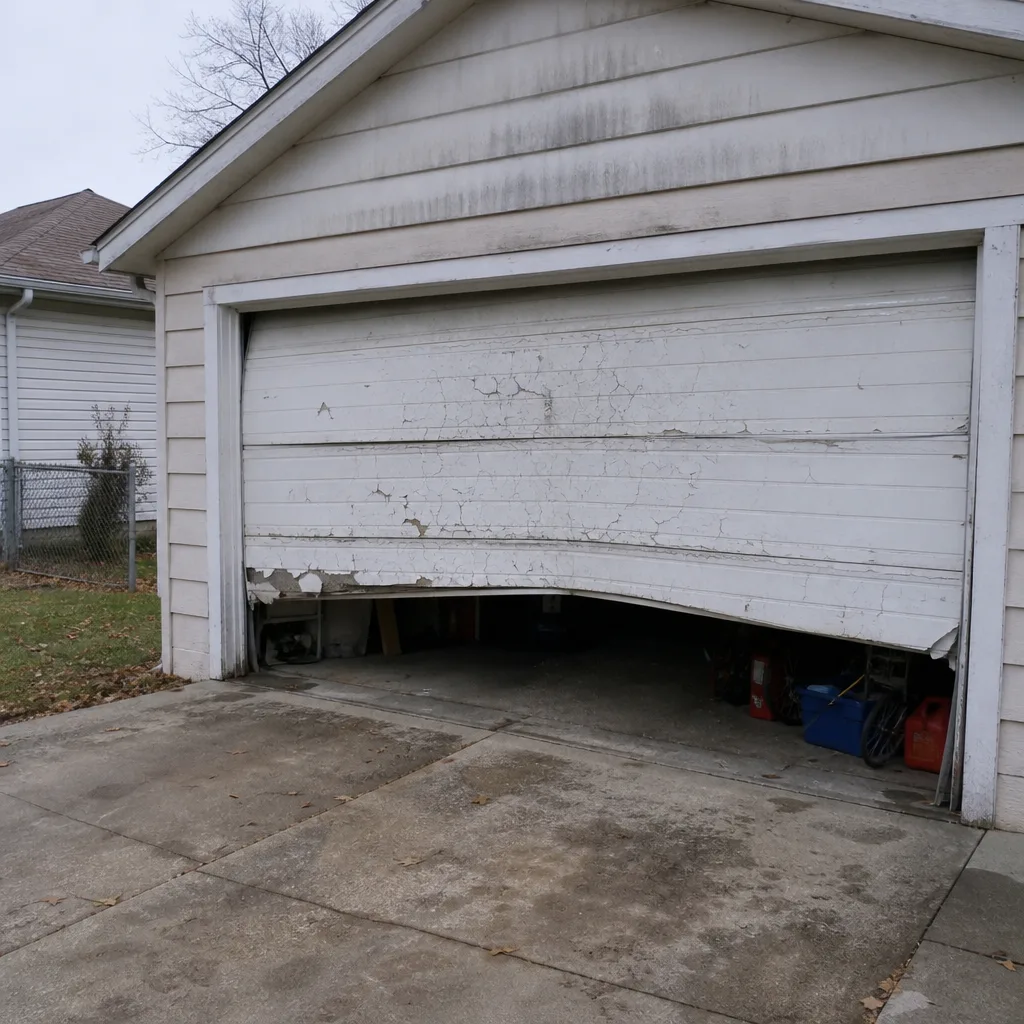 Before
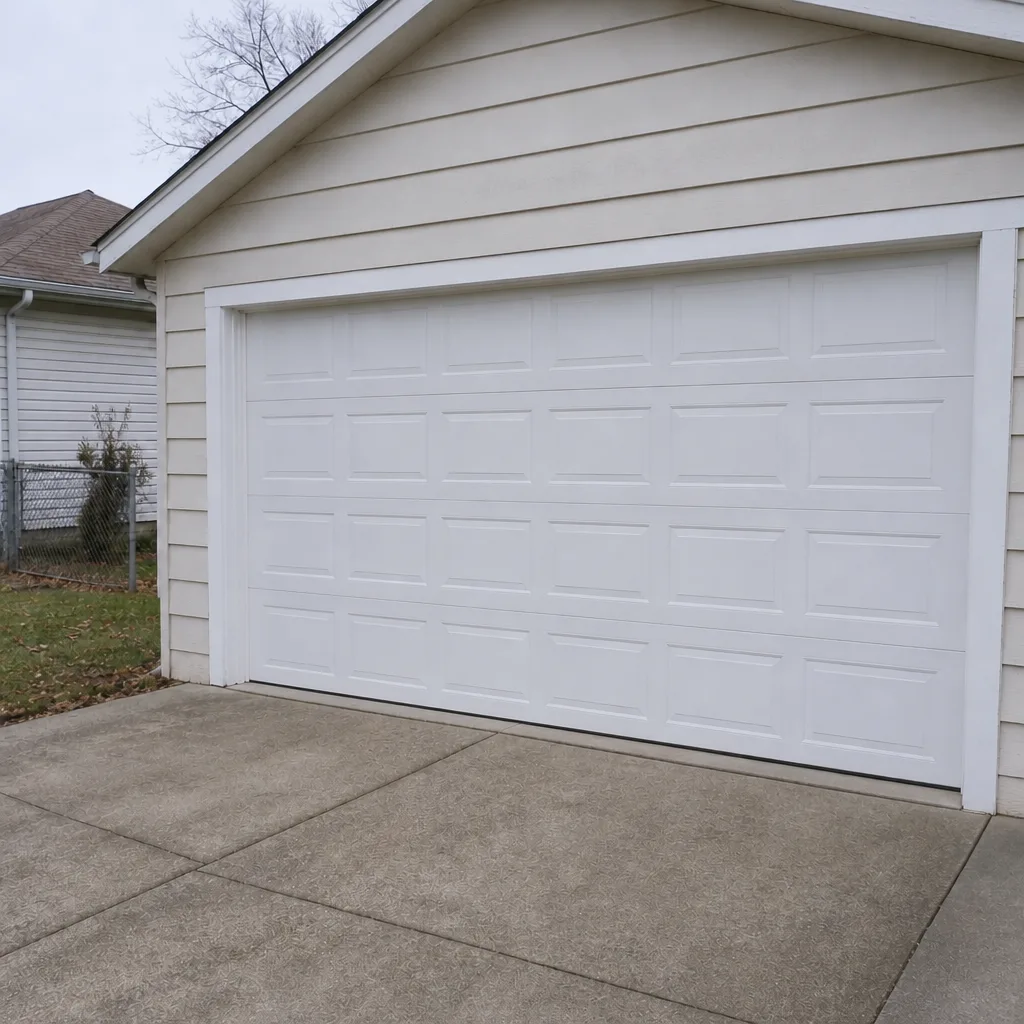 After