
Last updated November 15, 2026
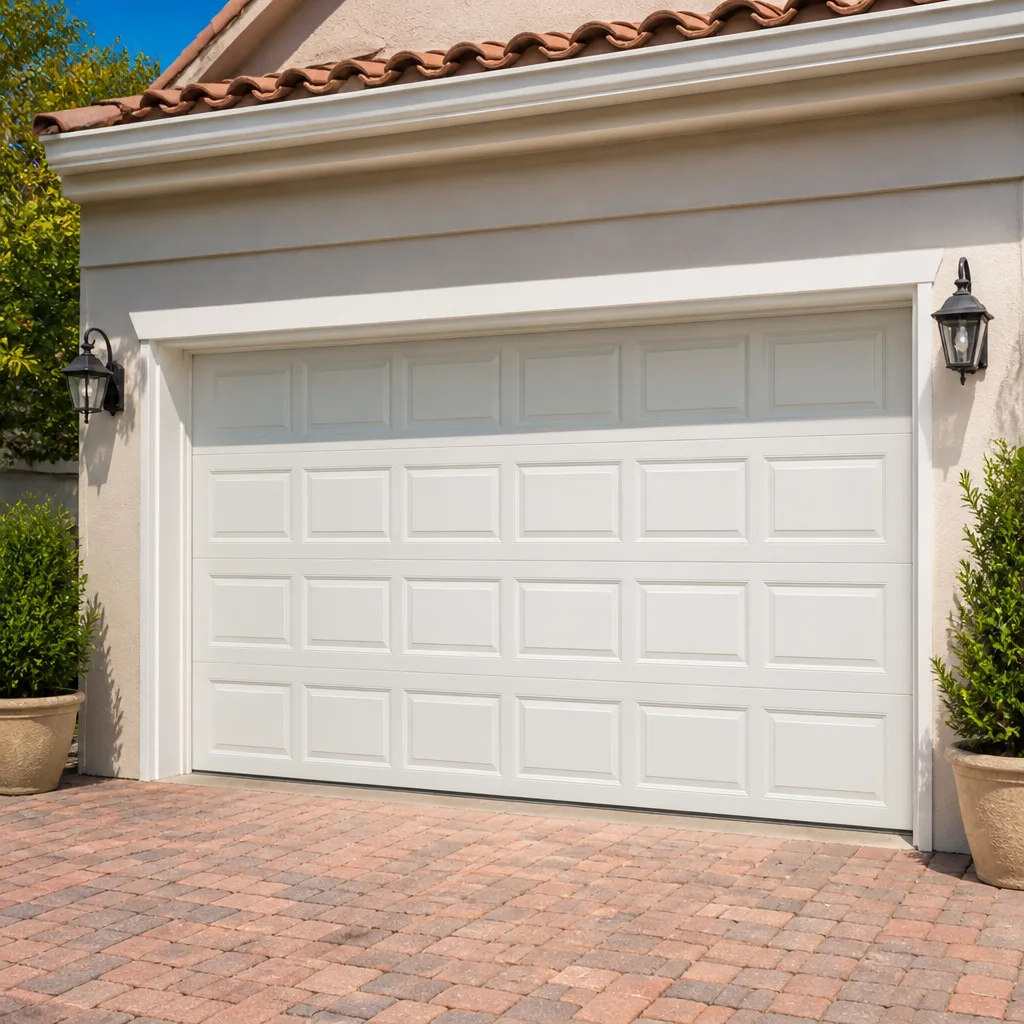 Raised-panel steel
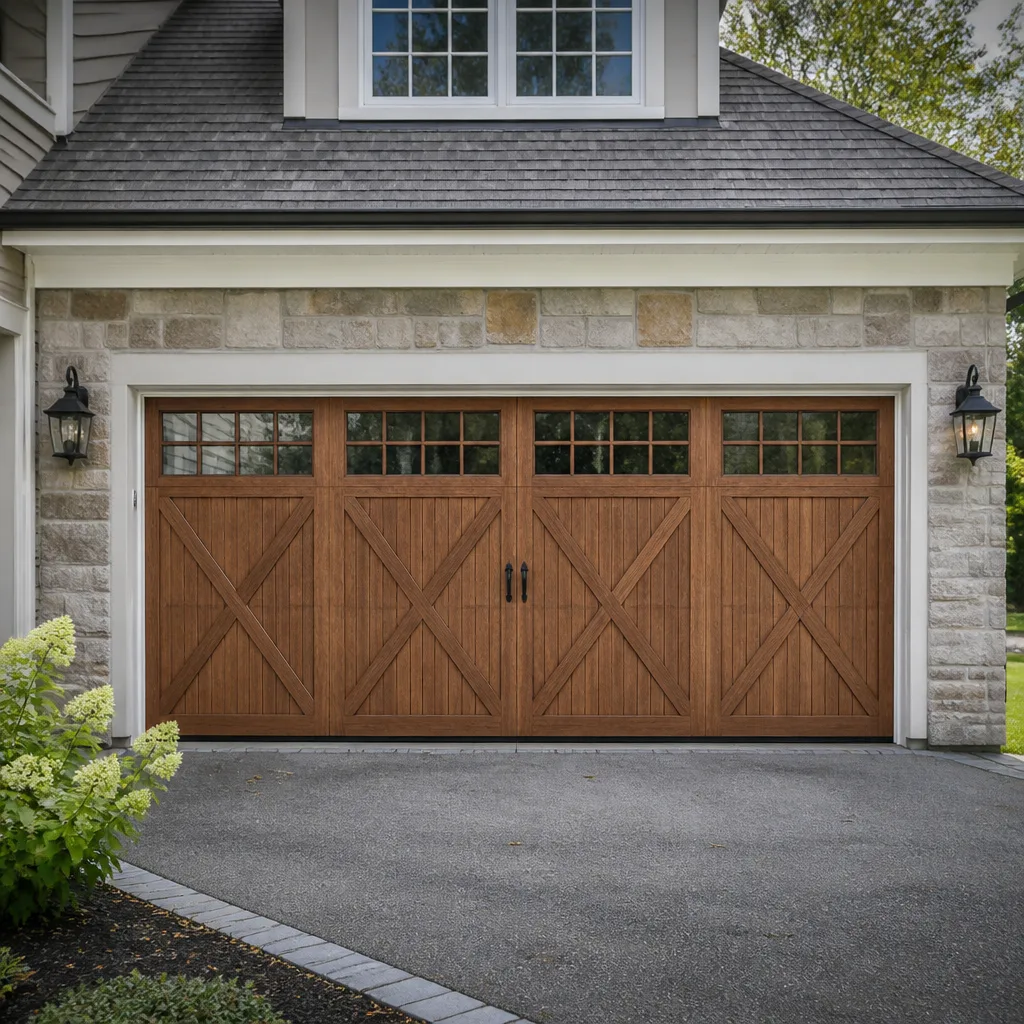 Carriage house
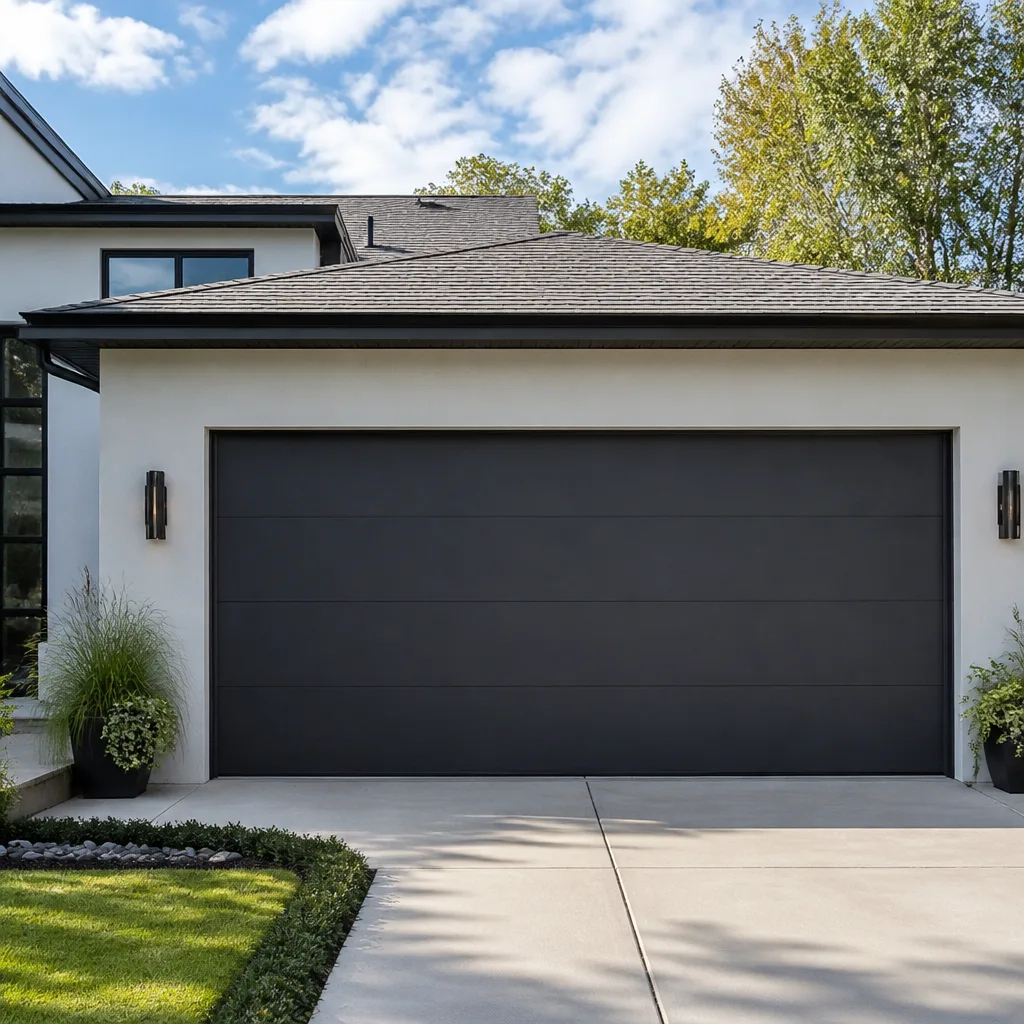 Modern flush
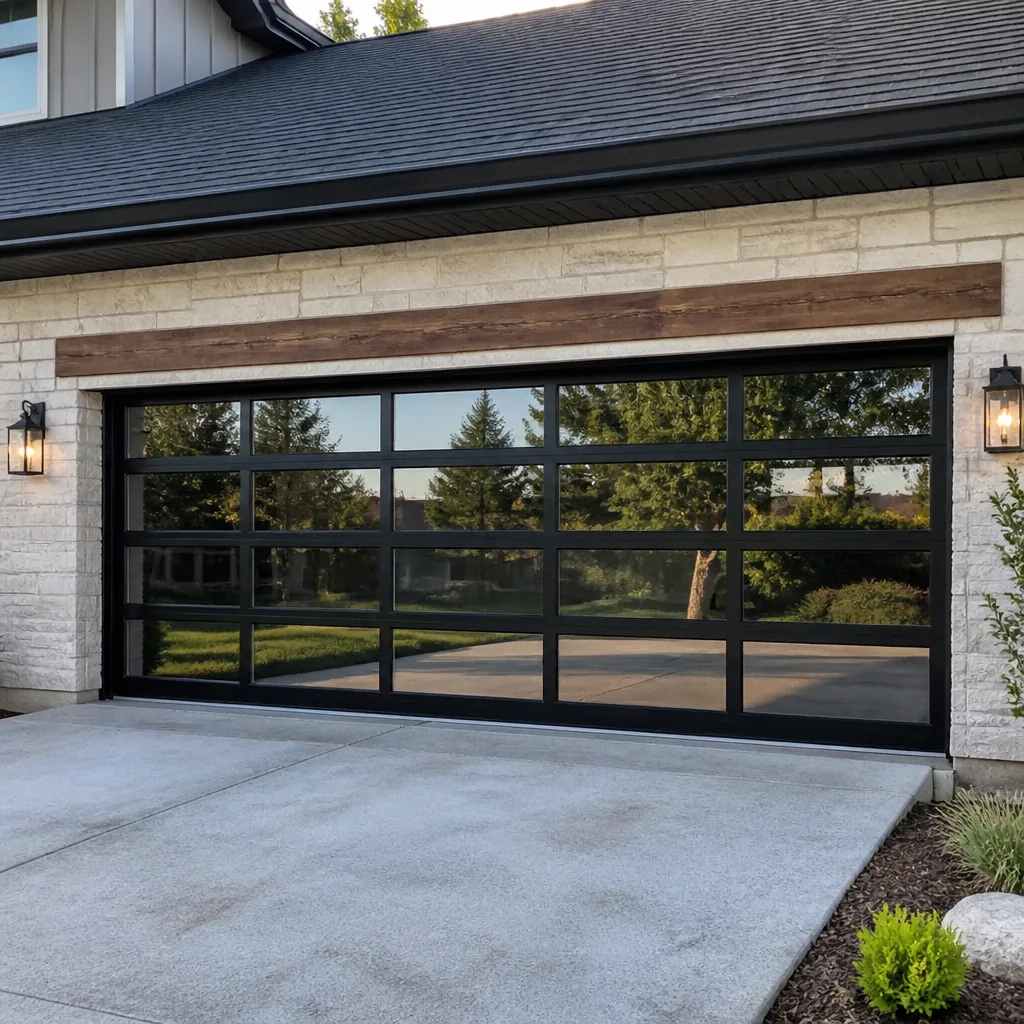 Full-view glass
 LiftMaster openers
 Chamberlain openers
Full 25-point door and opener safety check with every visit - springs, cables, rollers, tracks, and your LiftMaster or Chamberlain opener included
You get a price before we start. It does not change when the pro arrives.
Get your free estimateSeasonal Garage Door Care for Milwaukee: Year-Round Homeowner’s Guide
Most homeowners treat garage door care like an oil change: an even, predictable chore spread across the calendar. It isn’t. In Milwaukee, your door lives through two critical transition windows, one in October before the first hard freeze and one in April as the ground thaws, and what happens in those windows decides whether the next twelve months bring quiet operation or a string of service calls. Roughly 50 freeze-thaw cycles per winter work the bottom seal, stress the springs and contract the metal tracks a little more each time. A door that gets no attention in October pays for that neglect in February. This guide walks through what to check, when to check it, and which tasks belong to you versus a trained technician.
Quick Answer
Seasonal garage door care in Milwaukee comes down to two anchor visits: a pre-freeze prep in October that covers seals, lubrication, balance and track condition, and a post-thaw reset in April that catches frost heave, track misalignment and bottom-seal damage from snowmelt. Everything between those windows is light observation. Homeowners who handle the October and April checklists consistently avoid most of the winter breakdowns that fill service calendars in Milwaukee every January and February.
Styles & brands we work with
- Raised-panel steel
- Carriage house
- Modern flush
- Full-view glass
- LiftMaster openers
- Chamberlain openers
Table of Contents
- Why Milwaukee Garage Doors Age Differently
- The October Pre-Freeze Protocol
- What to Do If You Find a Problem in October
- The Spring Thaw Reset: Milwaukee’s Second Critical Window
- Summer Humidity and Wood Doors
- Fall Debris and the Bottom Seal Nobody Checks
- Which Seasonal Tasks Are DIY-Safe
- Winter Operation and What Not to Do
Why Milwaukee Garage Doors Age Differently
Garage doors in most of the country deal with one dominant stressor: heat, humidity or occasional storms. Milwaukee doors deal with a rotating set. A door here can see a 70-degree swing between July and January, and it will cycle through dozens of freeze-thaw events in a single winter as temperatures hover around the freezing mark. That repeated expansion and contraction is the root cause of most of the gradual wear we see in Milwaukee.
Each component responds differently. Steel tracks contract in cold and can bow slightly, then relax when it warms, and after enough cycles they don’t return to true. Torsion springs, which are already under constant tension, lose some of their lift in cold. The bottom seal, the rubber or vinyl strip at the base of the door, gets compressed against a frozen or uneven floor and doesn’t spring back the way it does in mild weather. Weatherstripping along the sides and top dries out faster with indoor heating running for months on end.
Milwaukee’s older housing stock adds another layer. Homes built in the middle of the last century often have garages whose slabs have settled unevenly, and the freeze-thaw cycle deepens that unevenness. A door that seals perfectly in August can show a visible gap along the bottom by February, not because the door has failed but because the floor beneath it has moved.
This is why a generic national maintenance checklist misses the mark. The tasks matter, but the timing matters more, and Milwaukee’s timing is specific. You can read more about our full range of work on the Honor Garage Door Repair home page, but for the seasonal schedule, keep reading.
The October Pre-Freeze Protocol
October is the single highest-value month on the Milwaukee garage door calendar. Once the ground freezes and stays frozen, adjustments become harder and small problems get frozen in place. The goal of the pre-freeze visit is simple: catch everything that’s soft, loose or dry before the cold locks it in.
Work through these steps in order. The sequence matters because each one can affect what you find in the next.
- Wash the door and inspect the finish. Dirt, road film and leaf tannin hide small paint failures. Clean the panels, then look for bubbling paint, cracks at seams or rust starting at the bottom edge. Any spot where bare metal shows will spread through the winter.
- Check the bottom seal and side weatherstripping. Run your hand along the full width of the bottom rubber and look for tears, flat spots or sections that have hardened. Press the side stripping; it should feel pliable, not brittle. Replace anything that’s cracked now, because a stiff seal won’t conform to a frozen floor.
- Test the door balance. Disconnect the opener (pull the release handle) and lift the door by hand to about waist height. It should stay there on its own. If it drops, the springs are losing tension and need professional attention.
- Inspect tracks and rollers. Look for dents, bends or sections where the track has pulled away from the jamb. Rollers should turn freely. A roller that’s flat-spotted will chatter in cold and wear the track.
- Lubricate the right parts. Hinges, rollers, and the torsion spring coils get a garage-door lubricant, not spray oil or WD-40. One light application in October carries through the winter. Do not grease the tracks; they should stay clean and dry.
- Clear the floor and the threshold. Garage doors sit on a slab that flexes with frost. Remove anything that keeps the door from closing fully, and check that the floor beneath the seal is flat and clear.
- Test the safety reverse. Put a 2×4 flat on the floor under the door and close it. The door should reverse on contact. Test the photo-eye sensors by passing an object through the beam while the door is closing.
If you own a LiftMaster or Chamberlain opener, this is also a good time to check that the battery backup, if your unit has one, is holding a charge. If you have a Genie or a legacy unit, listen for any change in the motor sound during the October test cycle; a new rattle or grind in October usually becomes a real failure by January.
What to Do If You Find a Problem in October
October findings fall into two categories: things you can handle now, and things you should schedule properly. The line between them is usually about safety and time.
Reseal any bare metal or failing paint before temperatures drop below the paint manufacturer’s minimum, which is typically printed on the can. Replace worn bottom seals and side stripping; this is genuinely DIY-friendly. Clean and lubricate the moving parts. Tighten brackets that have worked loose, but only by hand and only if they were secure to begin with.
What you shouldn’t do is rush a spring or track adjustment because winter is coming. A torsion spring that’s lost tension is holding a large amount of stored energy, and the winding and unwinding process is one of the most dangerous jobs in the trade if you don’t have the right tools and training. Track work has the same risk profile: a door that comes off a misaligned track can fall or swing unpredictably. If your October check turns up either issue, call for garage door repair rather than trying to force a fix before the first hard freeze. A properly scheduled repair in October costs far less than an emergency call in January, and it’s safer in every case.
If the door is old enough that you’re weighing repair against replacement, October is also a good month for that conversation. Installation in Milwaukee involves measuring, ordering, and scheduling, so it’s a project to plan rather than race. Our Milwaukee service covers both.
The Spring Thaw Reset: Milwaukee’s Second Critical Window
April gets almost no attention in most maintenance guides, and it’s the second most important month for a Milwaukee door. As the frost leaves the ground, the slab under your garage door can heave and settle, and the door that worked fine in deep winter can suddenly misalign, bind, or fail to seal. This is the window when you catch the damage October’s prep couldn’t prevent.
The reset has four main jobs:
- Check the tracks for frost heave damage. Walk the full length of both vertical tracks and look for outward bowing at the floor. Heaving soil pushes the lower track out, and the door then runs unevenly, wears one side of the rollers, and can jump the track entirely.
- Inspect the bottom seal again. Winter compression flattens rubber. Look for sections that don’t spring back, splits along the leading edge, and gaps where the seal lifts off the floor. Snowmelt also carries grit and salt into the seal channel, so clean it out before it abrades the rubber.
- Recheck the balance. Springs that held through winter often reveal their fatigue the first few warm weeks. You’ll hear it before you see it: a door that slams or drops more quickly than it used to.
- Test the opener’s performance. Force settings that worked in cold weather may now be too high or too low. If your door reverses for no apparent reason or the travel limits seem off, the opener may need adjustment, and this is where garage door opener repair becomes a specific job rather than a general tune-up.
Frost heave is Milwaukee-specific enough that most national checklists don’t mention it. The old slab in many city neighborhoods moves a half-inch or more per season, and that movement accumulates. A door that seals tightly one spring might have a quarter-inch gap three springs later. Catching it in April means adjusting the door before the track and rollers wear into an uneven pattern.
Summer Humidity and Wood Doors
Milwaukee’s summers bring lake-humidity swings that affect wood and wood-composite garage doors in ways steel and aluminum doors don’t experience. Wood absorbs moisture, swells, and dries out again, cycle after cycle. The result is a door that feels fine in dry July but sticks in a humid August or shows paint failure at panel seams.
The two symptoms to watch for:
- Swelling at panel edges and the bottom rail. This is normal seasonal movement, up to a point. If panels are binding against each other or the door sticks in the track, the swelling is past what adjustment can absorb and the door needs a look.
- Paint failure starting at seams and the bottom edge. This is the failure homeowners most often misread as structural. It’s usually moisture escaping from the wood, which means the paint was applied over a damp surface or the sealant has failed. Repainting over it without fixing the source just repeats the problem. Look for bubbles, peeling paint and any bare wood showing at the bottom rail, which is closest to the floor and the most moisture.
Wood doors benefit from an annual finish check in early summer, before the humid stretches. Composite doors, which most major brands now offer (Clopay and Amarr both make composite lines), need less maintenance but still benefit from an annual look at the seams and bottom edge.
For steel doors, summer is less active but worth a quick check. Heat expansion can loosen hardware, and the same door that ran quietly in spring can develop a rattle by August. Tighten what’s loose, and resist the temptation to over-lubricate; excess lubricant attracts grit.
Fall Debris and the Bottom Seal Nobody Checks
The bottom seal is the most overlooked component on a Milwaukee garage door, and fall is its hardest season. Leaves, grass clippings, acorn caps and grit collect in the seal channel and along the floor. The door closes over them, compresses them against the rubber, and grinds them into the seal over hundreds of open and close cycles. By December the seal has lost its shape and no longer touches the floor evenly.
You’ll usually notice this in three ways:
- Water or snow gets in under the door. A slight draft or a thin line of daylight along the bottom is the first sign.
- You can hear the door outside. A worn bottom seal lets sound through. If your door sounds louder from the street than it used to, the seal is compressed.
- Pests find a way in. Mice and insects use a bent or frayed bottom seal as an entry point.
The fix in fall is straightforward. Clear the seal channel by sweeping it out and wiping it with a damp cloth; don’t spray it with a hose, since water trapped under the rubber causes trouble when it freezes. Check the seal along its full width and replace any section that’s torn or crushed. Trim back shrubs and trees near the door so leaves blow away rather than against the seal. It’s a twenty-minute job that pays off all winter.
This is also the moment to check the weatherstripping along the sides and the top. It’s the same material family as the bottom seal and often fails at the same time. If you’re replacing one, replace all of it while you’re at it.
Which Seasonal Tasks Are DIY-Safe
Some seasonal work is genuinely in a homeowner’s range. Other tasks carry real risk, and rushing them because a cold snap is coming is how people get hurt or make a small problem worse.
Safe to handle yourself:
- Washing and inspecting the door surface and finish
- Cleaning and checking the bottom seal and weatherstripping
- Lubricating hinges, rollers and springs with proper door lubricant
- Tightening loose brackets by hand
- Testing the safety reverse and photo-eye sensors
- Clearing leaves and debris from the seal channel and floor
- Touch-up painting of bare metal or wood
Should wait for a professional visit:
- Any adjustment involving torsion or extension springs. These hold stored mechanical energy, and improper handling can cause serious injury in seconds. The spring system is the one component we never encourage homeowners to touch.
- Track realignment or straightening. A door that’s come off track can fall unpredictably.
- Roller replacement on a door under tension. It’s fine to replace an idle roller; it’s not fine to replace one on a door that needs to be raised and held in a stable position.
- Opener electrical work or replacing a failed opener motor, particularly on modern smart-home units where wiring and pairing are involved.
- Replacing a full spring assembly or rewriting a travel limit that’s drifted.
Our technicians have up to 15 years of experience, and even they treat spring work as a two-person job with the right tools. If your October or April checklist turns up a spring, track or opener problem, schedule a proper visit. Free estimates give you a clear answer on cost and a written quote that sets the price before any work begins.
Winter Operation and What Not to Do
Winter is the season when small problems become calls. Most of what you can do between December and March is observation and restraint.
Listen to the door every time it operates. A new grinding, scraping or squealing sound is early warning, and the sooner it’s caught, the simpler the fix. Watch for uneven movement; a door that rises or falls at an angle is usually a spring or track issue. Check the bottom seal after each snowmelt: if ice forms under the door or you see daylight, the seal has been compromised.
What not to do: never pour hot water on tracks or springs to free frozen parts (the temperature shock can crack or warp metal), never force a stuck door with the opener, and never operate the door with the opener disconnected and nobody holding it. If the opener fails, use the manual release and lift the door by hand to check balance, then call for help if the door won’t stay open. In Milwaukee, a door that won’t go up in January is a genuine security and access problem, and the fix is usually faster than homeowners expect.
This is also the season when brand familiarity matters. Whether your door is a Raynor, a LiftMaster or a Chamberlain, a technician who knows the specific hardware and typical failure points in that brand can usually diagnose on the first visit instead of guessing. That’s how we work: the brand already in your garage is the one we know.
Common Mistakes to Avoid
- Skipping the October check because the door still works. A functioning door in September doesn’t mean the seal and springs are ready for a Milwaukee winter. The whole point of October work is that the door hasn’t failed yet.
- Greasing the tracks. Most homeowners assume moving parts want lubrication. Tracks should stay clean and dry; grease attracts grit and makes rollers slide instead of roll.
- Replacing only one spring when the other is the same age. Springs wear at the same rate. A matched pair is usually replaced together, and pricing reflects that.
- Ignoring paint failure on a wood door until spring. Bare wood exposed to Milwaukee freeze-thaw cycles absorbs moisture and swells. A touch-up in fall prevents a bigger repair in spring.
- Pouring hot water or de-icer on a frozen track. The thermal shock can warp metal and crack the seal. Clear ice mechanically or wait for a thaw.
- Assuming a noisy door in winter is normal. Some cold-weather chatter is expected. A new rattle or grind is not; it usually means worn rollers or a loosening spring.
- Rushing a spring or track fix before a cold snap. A rushed repair here is a genuine safety hazard. Schedule the visit; don’t shortcut the job.
See the difference
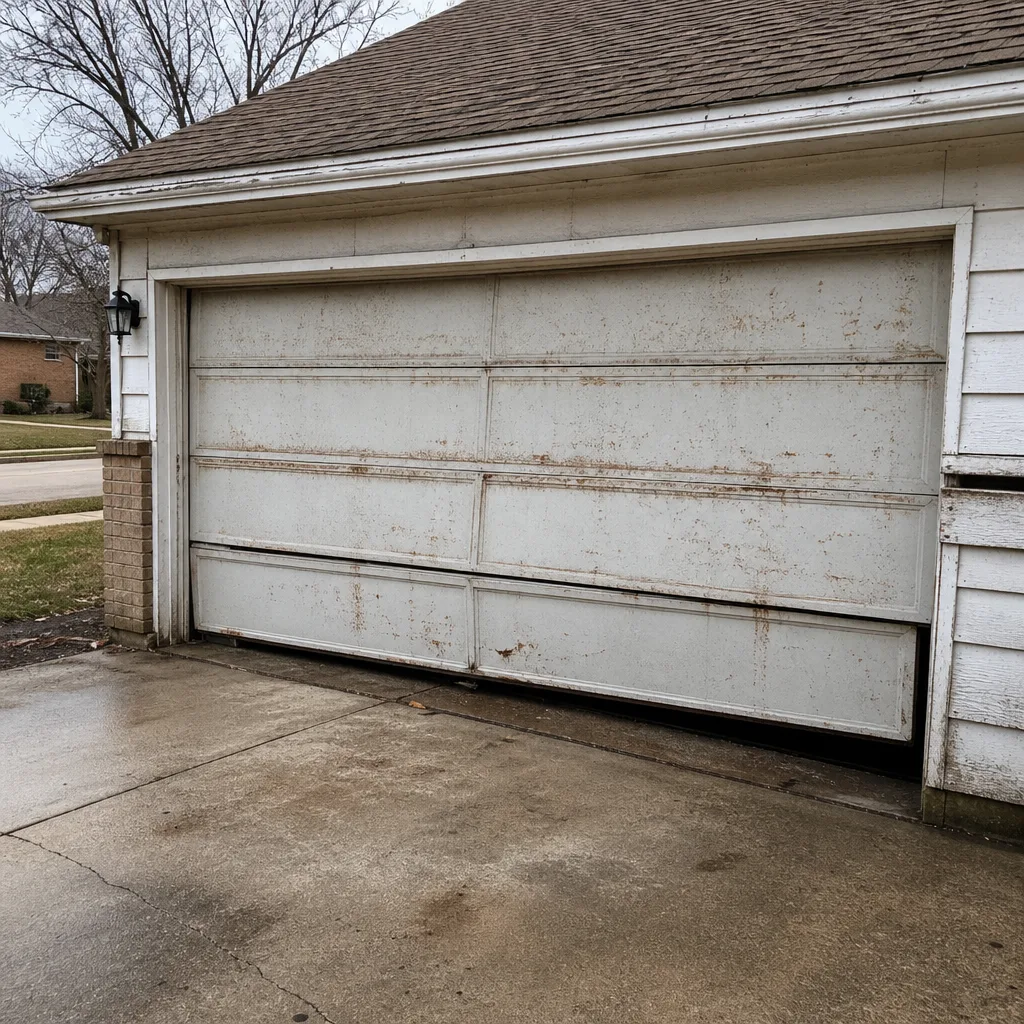 Before
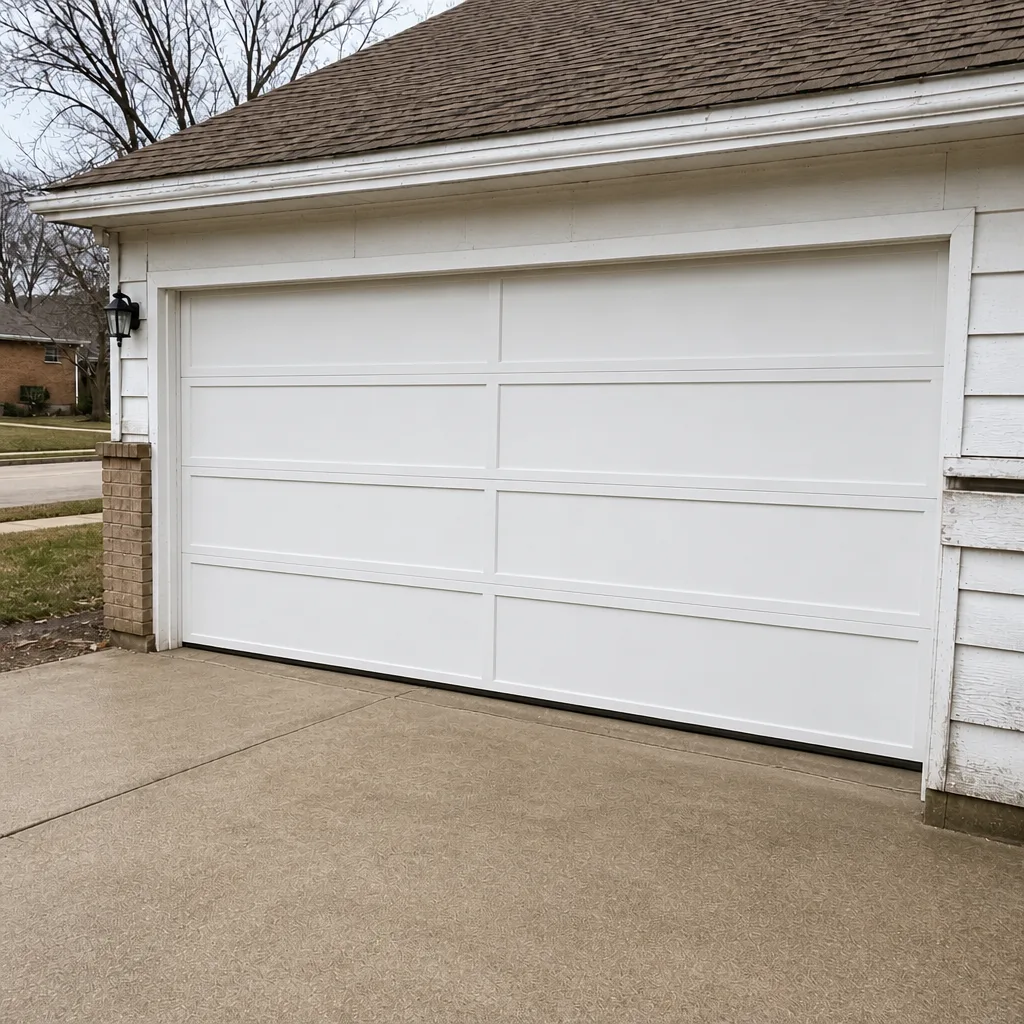 After
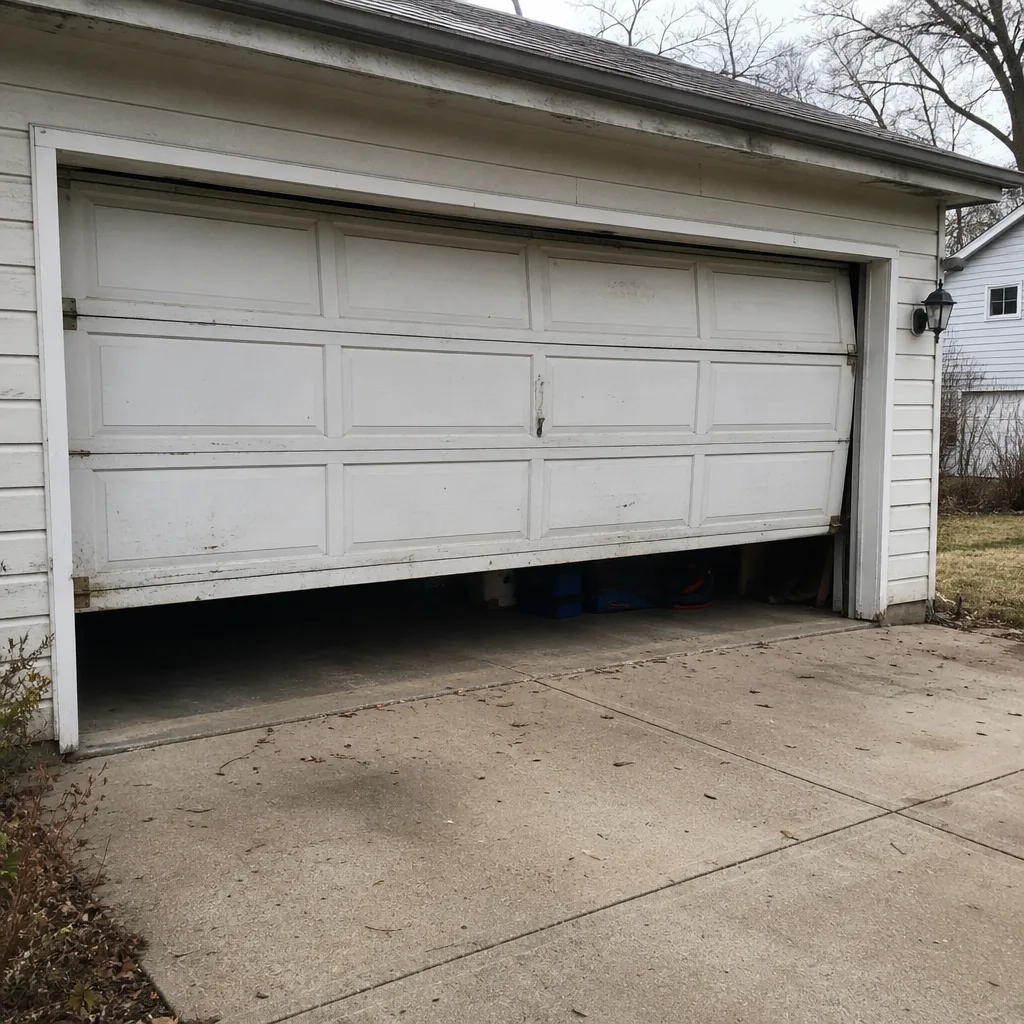 Before
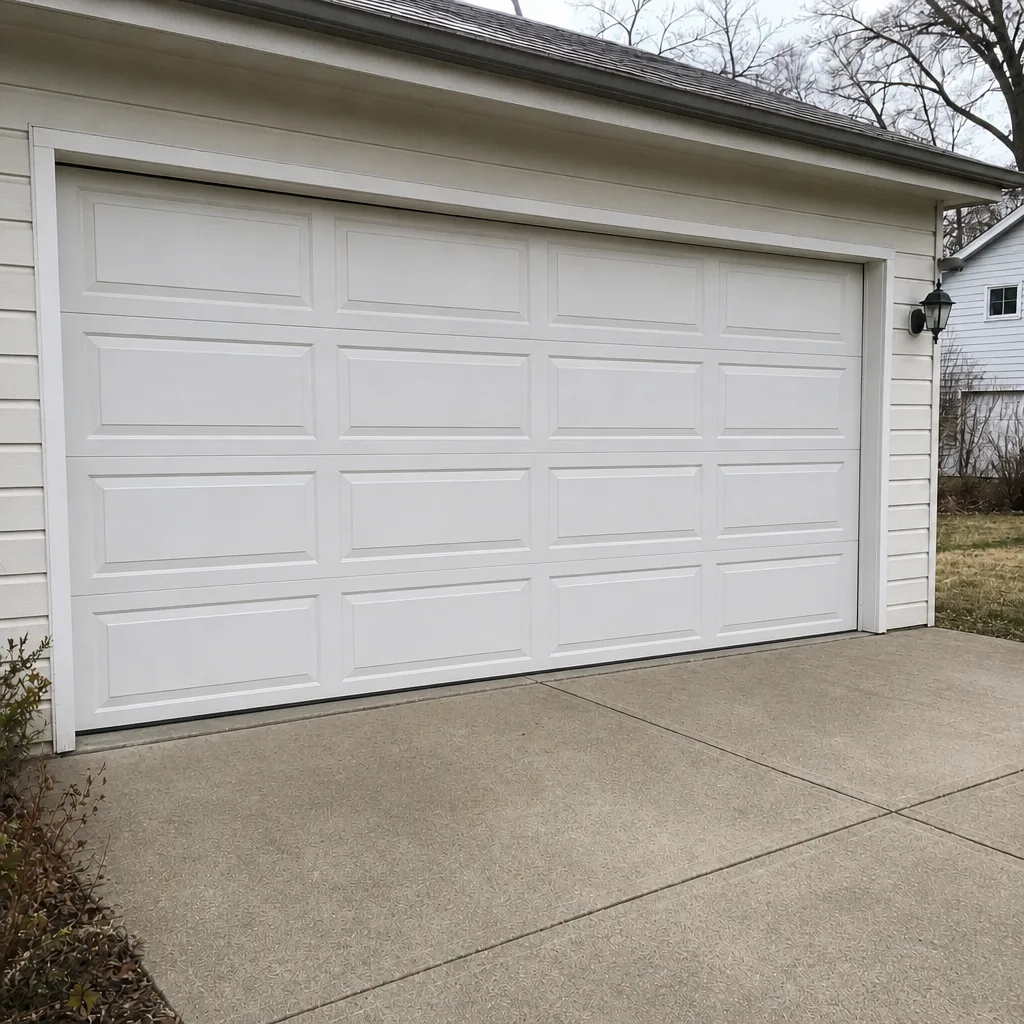 After
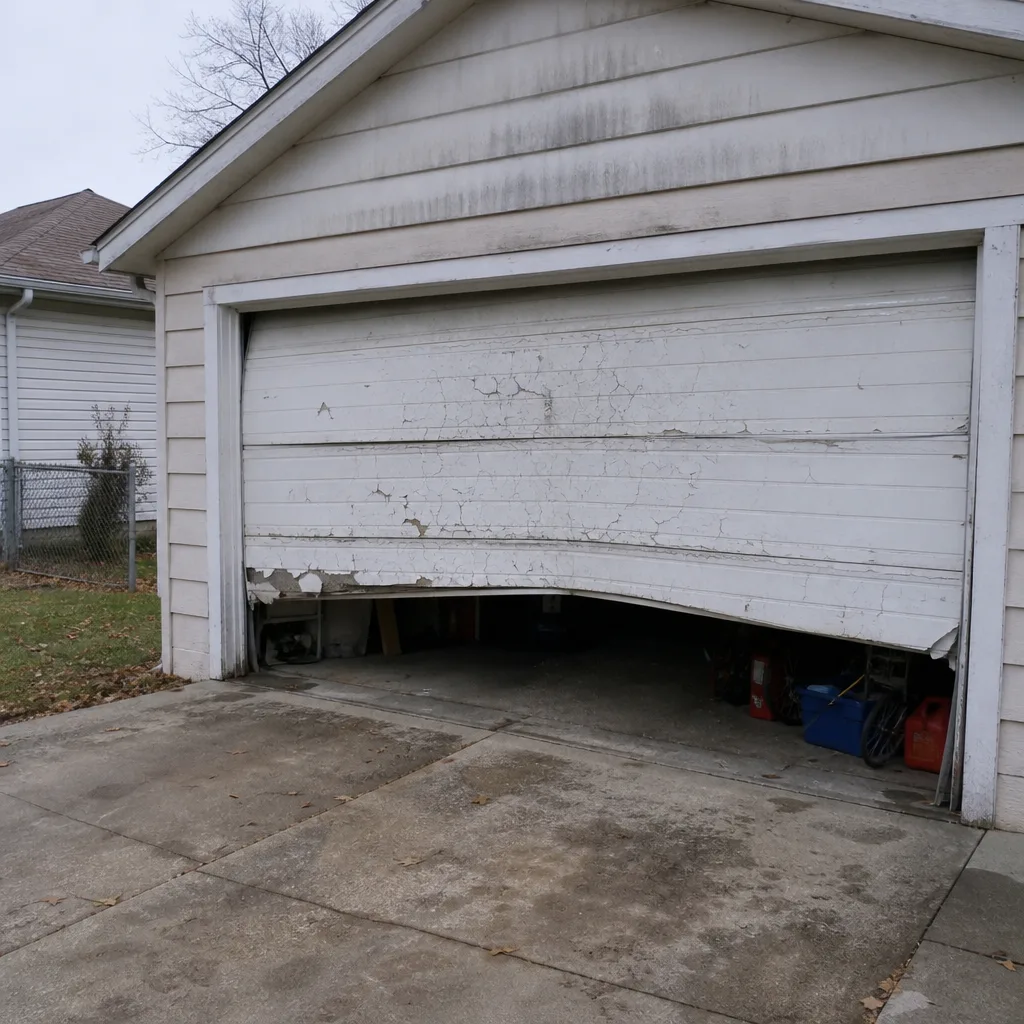 Before
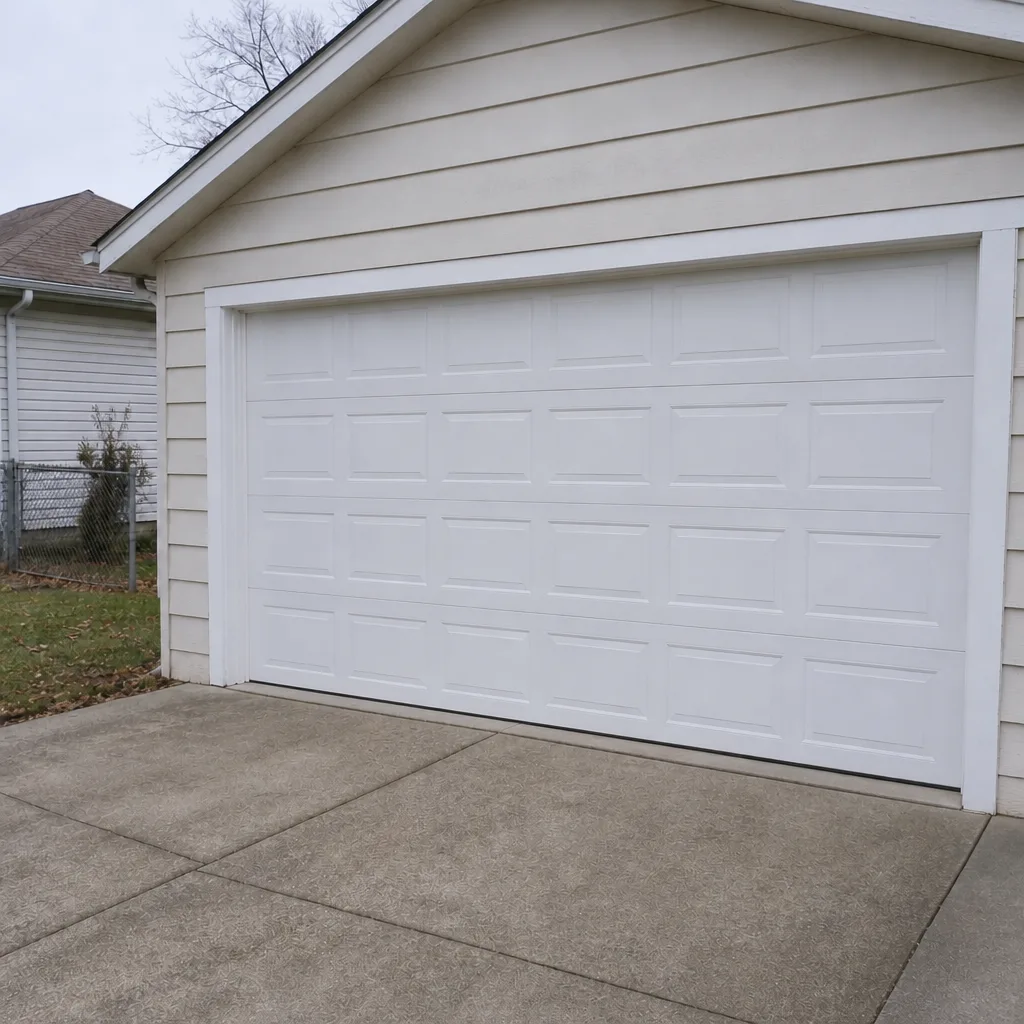 After
When to Call a Professional
Call for a professional visit when your seasonal check turns up any of the following: a door that won’t stay open when you test balance, a track that’s bowed or pulled away from the jamb, a spring that’s broken or lost tension, a worn bottom seal you can’t replace yourself, an opener that reverses on its own or grinds, or any situation where the door has come off its track. Call sooner rather than later if the issue affects the security of the garage or you can’t get the door closed. Honor Garage Door Repair offers free estimates in Milwaukee, and the written quote sets the price before any work begins. Call (866) 942-7695. We answer 24/7, with fast dispatch from 7am to 7pm, Sunday through Friday. If your door fails on a Saturday, call and we’ll book you for Sunday.
Frequently Asked Questions
October is the most important month for garage door service in Milwaukee. Pre-freeze prep covers the seal, spring balance, lubrication and track condition before temperatures drop and adjustments become harder. The second window is April, when the spring thaw reveals frost heave and track movement. Handling both windows keeps the door stable through the full year.
Lubricate a garage door’s moving parts once a year, ideally in October before winter. Hinges, rollers and torsion springs should get a proper garage-door lubricant. Tracks should not be lubricated; they need to stay clean and dry. If the door is used heavily, a second light application in spring is reasonable.
Some increase in resistance in winter is normal. Cold thickens lubricant, metal contracts slightly, and the door may feel stiffer. What isn’t normal is a door that won’t open fully, slams, or needs multiple attempts. Those symptoms point to worn springs or a loose opener, and they’re worth a diagnostic visit before the problem grows. Call (866) 942-7695 for a free estimate.
No. A quality bottom seal can last several seasons. In Milwaukee, though, the freeze-thaw cycle flattens and cracks seals faster than in milder climates. Inspect it every October and every April, replace sections that are torn or crushed, and keep the seal channel clear of leaves and grit. Replacement when needed is inexpensive compared to the damage a slipping seal can cause.
No. Frost heave track damage involves a door that’s come out of alignment and can fall unexpectedly. Realigning a track requires adjusting the door’s balance and resetting rollers, and a misstep can cause injury. This is a job for a trained technician. Free estimates in Milwaukee are available so you know the cost before deciding.
Cold weather affects both the door and the opener. The door itself becomes heavier as springs lose some lift in the cold, and the opener compensates by drawing more current. If the opener is already near its limit, winter tips it into struggle. This is a symptom worth diagnosing properly. Call (866) 942-7695. We answer 24/7. A call outside dispatch hours is booked into the next opening, Sunday through Friday, 7am to 7pm.
The Bottom Line
Milwaukee garage door care has two key moments and a lot of quiet observation in between. The October pre-freeze prep handles seals, lubrication, balance and tracks before the cold locks everything in. The April post-thaw reset catches frost heave, seal damage and spring fatigue before the track and rollers wear unevenly. Summer is for wood-door finish checks and hardware tightening; fall is for clearing the bottom seal and weatherstripping. Handle the safe tasks yourself, and call for the rest. Built around your door, not our inventory, Honor Garage Door Repair handles repair, opener repair and full installation in Milwaukee with free estimates and honest answers.
Call (866) 942-7695 for a free estimate. We answer 24/7. Fast dispatch from 7am to 7pm, Sunday through Friday.
Written by the team at Honor Garage Door Repair.