
Last updated November 15, 2026
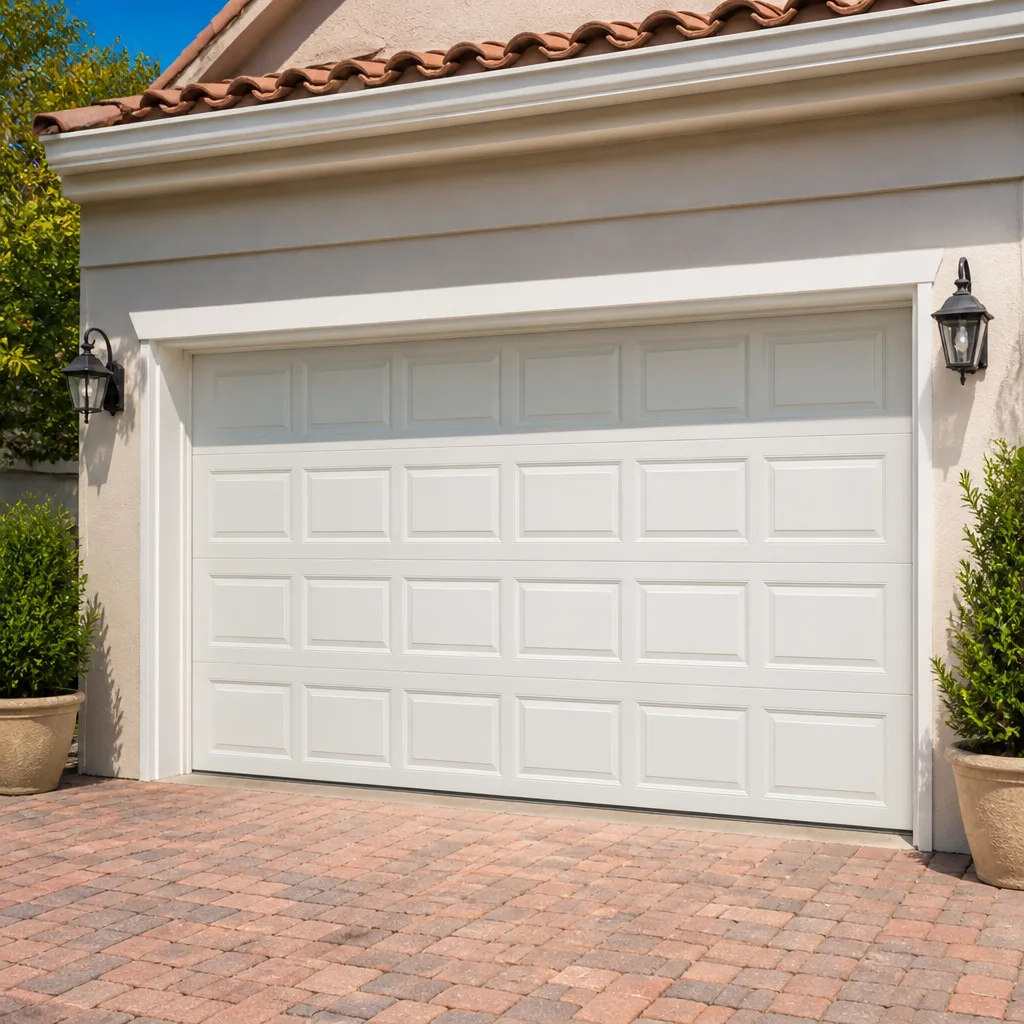 Raised-panel steel
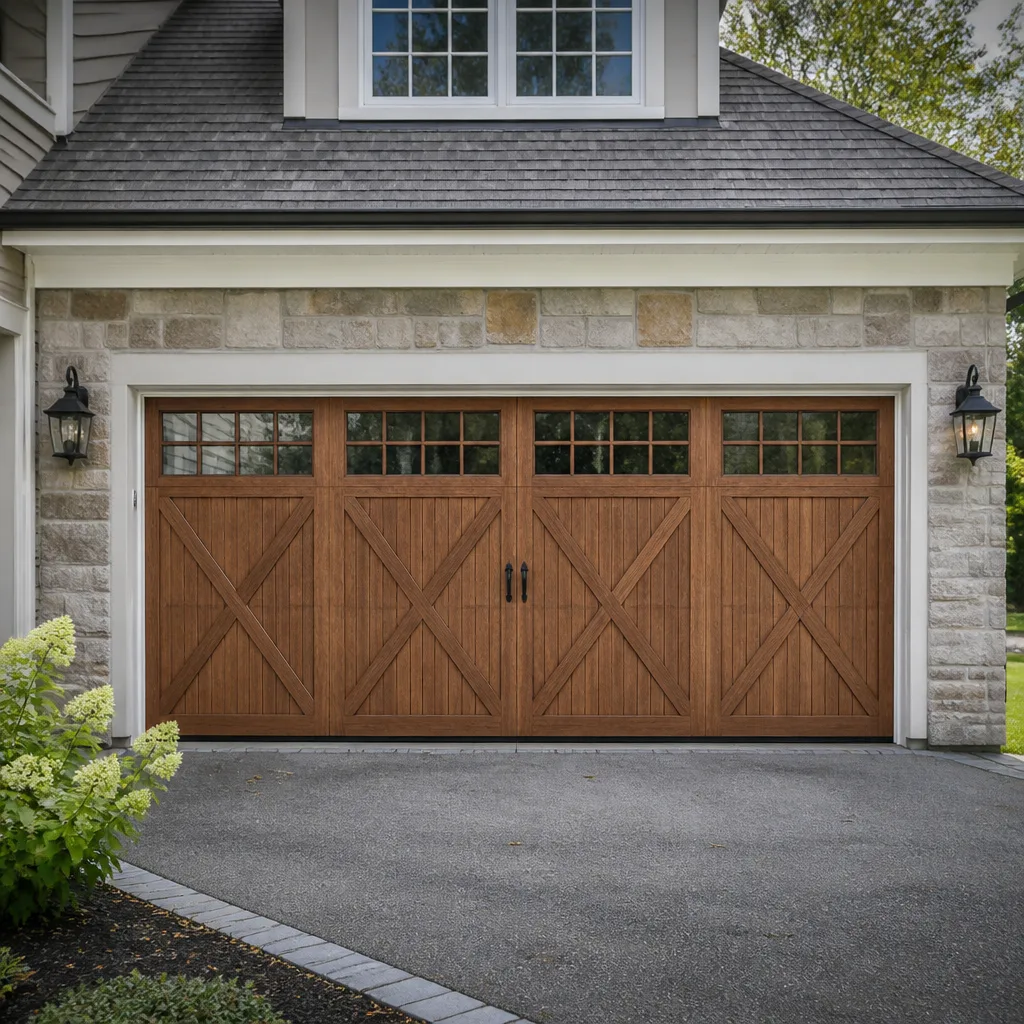 Carriage house
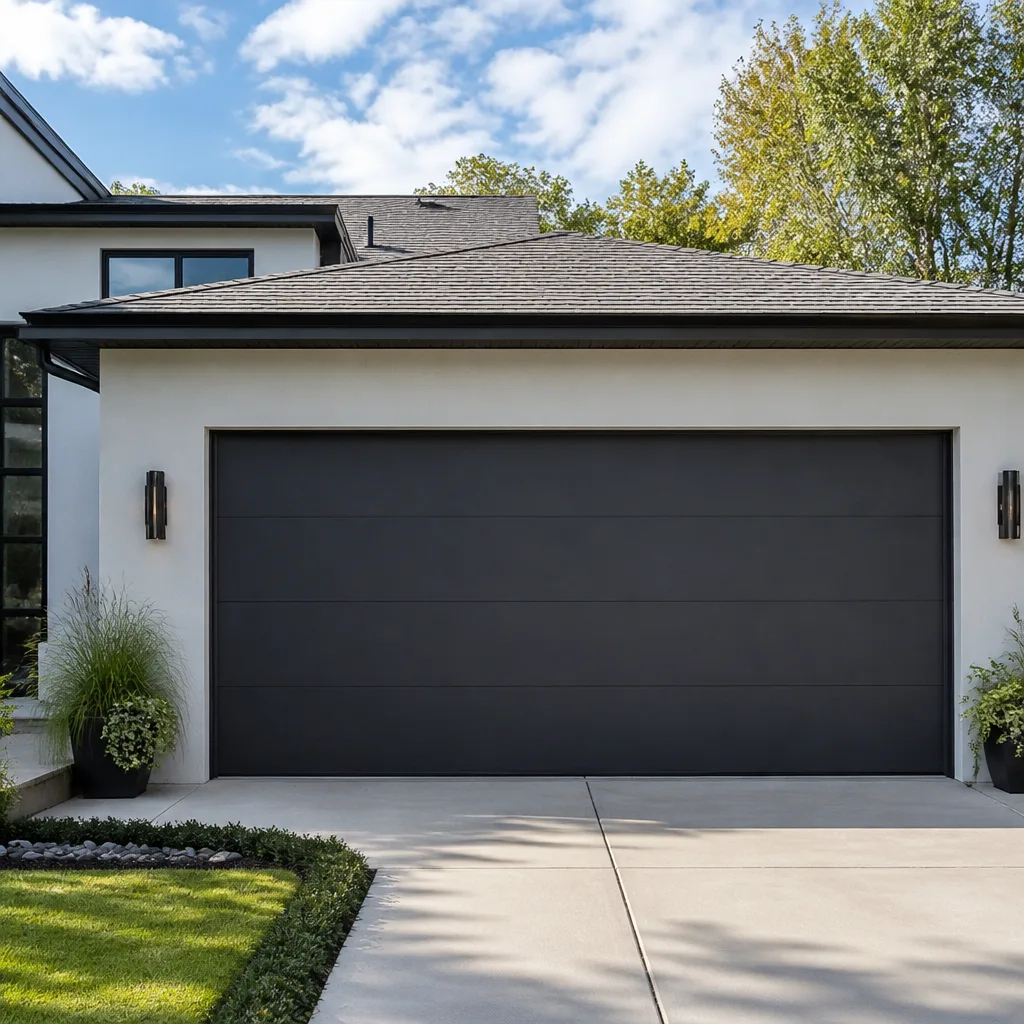 Modern flush
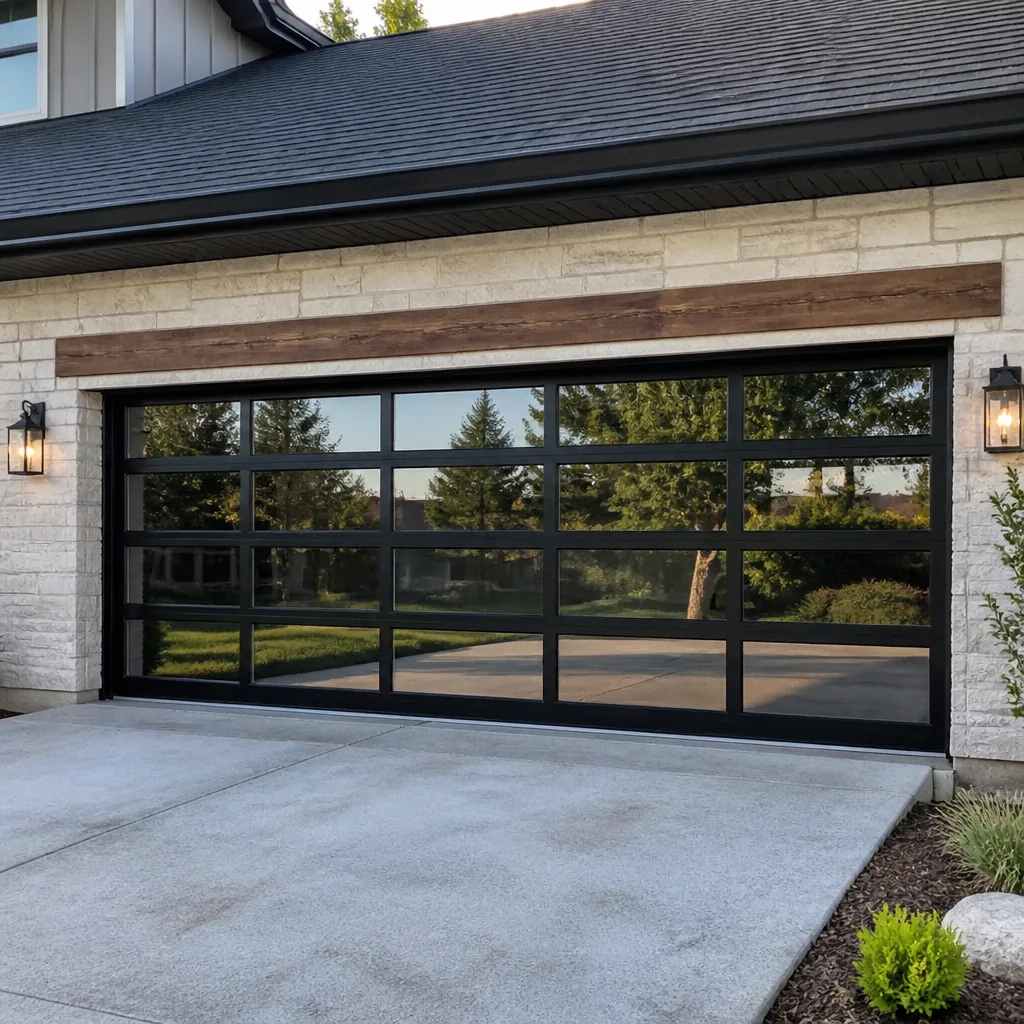 Full-view glass
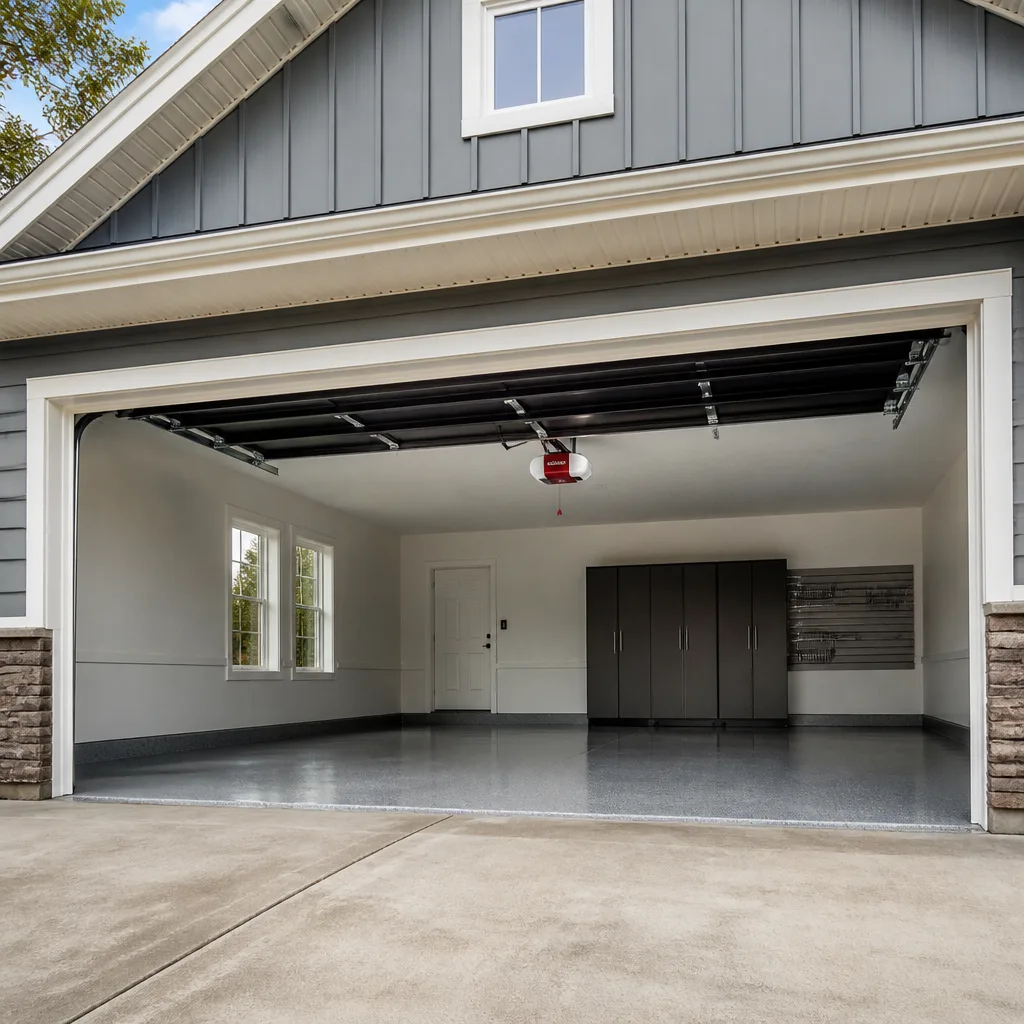 LiftMaster openers
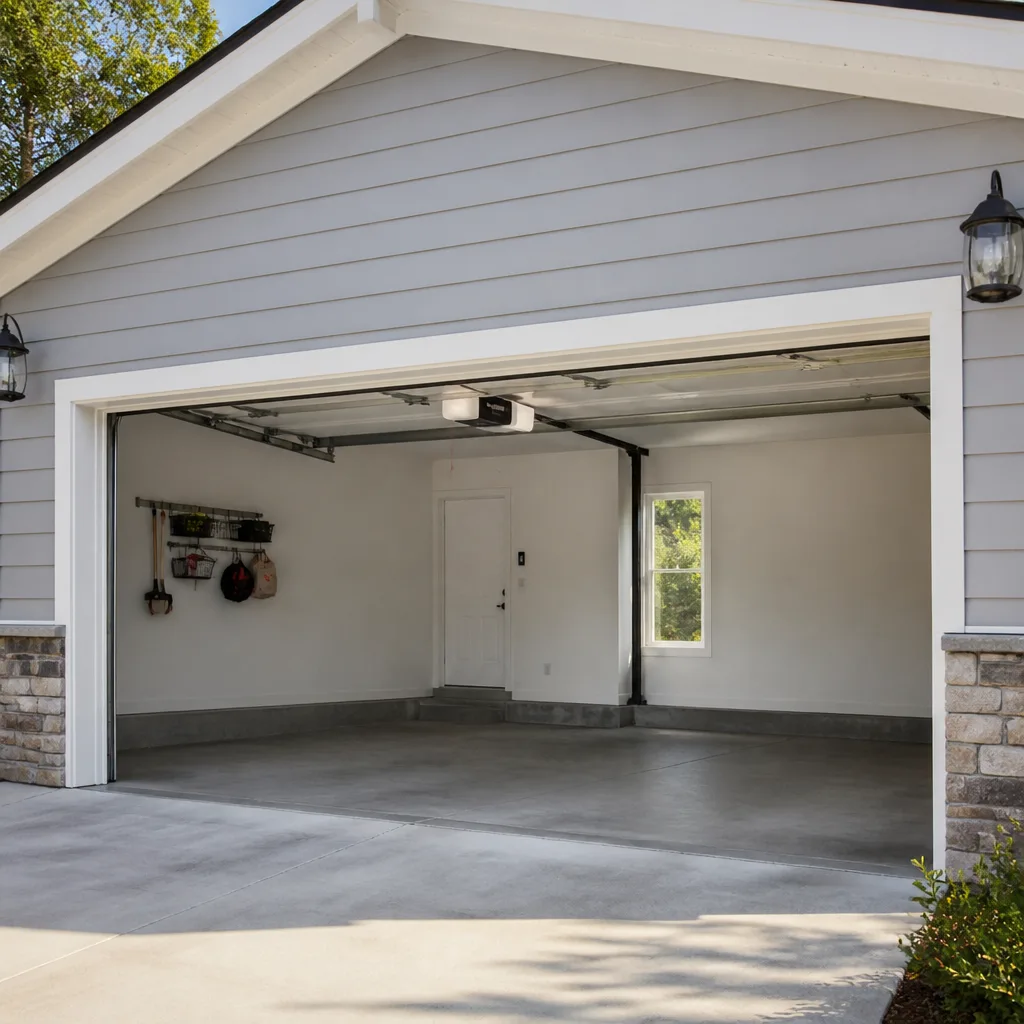 Chamberlain openers
Full 25-point door and opener safety check with every visit - springs, cables, rollers, tracks, and your LiftMaster or Chamberlain opener included
You get a price before we start. It does not change when the pro arrives.
Get your free estimateHow to Hire a Garage Door Contractor in Milwaukee: A Step-by-Step Guide
A five-star rating tells you people were happy. It doesn’t tell you whether the technician pulling into your driveway has the right spring on the truck or will disappear for three days to order parts while your car sits outside. Garage door work looks simple from the curb and isn’t. It combines high-tension mechanical systems, electrical controls, and a structure that has to balance within ounces. Hiring for it means asking sharper questions than most homeowners are used to asking a contractor. This guide covers the questions that actually separate a competent garage door contractor in Milwaukee from a polished storefront with an empty van, including how to check Wisconsin registration, what a real written estimate contains, and how to compare two quotes that were never written to be compared.
Quick Answer
To hire a garage door contractor in Milwaukee, verify Wisconsin contractor registration, ask specifically which spring sizes and brands the technician carries on the truck, insist on a written estimate that itemizes labor and parts separately with a parts spec and a labor warranty, and decline any quote given firmly over the phone before anyone has looked at the door. A contractor who can answer the inventory and itemization questions directly is usually the one who will also show up when they said they would.
Styles & brands we work with
- Raised-panel steel
- Carriage house
- Modern flush
- Full-view glass
- LiftMaster openers
- Chamberlain openers
Table of Contents
- Why Garage Door Hiring in Milwaukee Is Different
- Verifying Wisconsin Contractor Registration
- The Parts Inventory Question Most Homeowners Never Ask
- What a Legitimate Written Estimate Must Contain
- How to Compare Quotes That Aren’t Apples-to-Apples
- Red Flags Specific to the Garage Door Trade
- Twelve Questions to Ask Before You Schedule
- Repair vs. Replace: Getting an Unbiased Answer
Why Garage Door Hiring in Milwaukee Is Different
Milwaukee’s housing stock runs from century-old bungalows on the south side to postwar ranches in the northwest and newer construction farther out, and those three categories ask completely different things of a garage door contractor. A door on a 1920s garage may sit on an opening that is out of square by an inch, which changes how a new door has to be measured and hung. A 1960s door often has an opener from the same era still bolted to the ceiling. Newer homes in places like Bay View or the Third Ward may have a modern Wi-Fi-enabled LiftMaster or Chamberlain unit that needs someone who understands the control board, not just the springs.
Then there’s the weather. Milwaukee’s freeze-thaw cycle is brutal on garage door hardware. Steel panels contract in January and expand in April. Lubricant thickens in the cold, and hinges and rollers that ran quietly in October start shrieking by December. Springs fatigue faster in a climate that swings from single digits to the high eighties over a single year, and a torsion spring near the end of its cycle usually fails on the coldest morning of the year, which is exactly when nobody wants to be standing in the driveway.
That seasonal reality is why the first thing to screen for isn’t price. It’s whether the contractor you’re hiring actually keeps the parts that fail in Milwaukee on hand, or whether every repair turns into a parts-ordering exercise. We work on the brand already in your garage, whether that’s a Craftsman opener from the 1990s or a Raynor door installed a decade ago, and that familiarity matters most when the failure happens on a morning when you can’t wait three days for a spring.
What you’re really hiring, in this market, is a technician’s truck and a technician’s knowledge. The company name on the invoice matters less than what comes out of the van.
Verifying Wisconsin Contractor Registration (And What It Doesn’t Cover)
Wisconsin requires contractors who do certain kinds of residential work to hold a credential through the Department of Safety and Professional Services, and homeowners can look up a contractor’s status through the state’s public license lookup before scheduling. That check is worth doing and takes about two minutes. What it doesn’t do is guarantee the person installing your torsion spring has ever installed one.
Here’s the part most guides skip: garage door work straddles categories. Some of it is mechanical (springs, cables, rollers, tracks). Some of it is electrical (openers, wiring, safety sensors). Some of it touches the building envelope (the opening, the framing, the header). Depending on the scope, different pieces of that job may fall under different credentialing or permitting expectations. Call your city’s building department and ask what a garage door replacement requires where you live. Milwaukee and the surrounding suburbs don’t all handle this the same way, and the answer changes with the scope of work.
What registration gets you:
- Proof the business exists as a registered entity in the state
- A paper trail if something goes wrong and you need to file a complaint
- A basic floor of accountability that an unregistered operator doesn’t have
What registration does not get you:
- Confirmation of brand-specific training on your equipment
- Proof the technician carries the correct spring for your door
- Any guarantee about response time or warranty terms
- Insurance verification, which you should ask for separately
Ask for a certificate of insurance too. A registered contractor without liability coverage is still a risk you’re carrying. And if the person quoting your job can’t tell you whether they’re registered, that’s your answer about how the rest of the job will go. We say what we’ll do, then we do it, and that starts with being able to answer these questions plainly before any work begins.
The Parts Inventory Question Most Homeowners Never Ask
Most homeowners ask, “Do you work on my brand?” Every contractor in Milwaukee says yes. That’s not a useful question because there’s no honest way for a bad contractor to fail it. The question that separates contractors is about inventory.
Springs aren’t universal. A torsion spring is sized by wire gauge, inside diameter, and length, and a door that weighs 180 pounds needs a specific spring. A generic spring “close enough” to the right spec will work, and then it will fail early, and the homeowner will blame the door. If the technician has to order your spring, you’re looking at days without a working door. If the technician carries the common sizes and can cut to fit, you’re looking at hours.
Here’s what to ask, verbatim:
- “Which spring sizes do you carry on the truck right now?” A real garage door contractor can name wire gauges and inside diameters without checking. A handyman will say “we’ve got springs.”
- “Which opener brands do you carry replacement parts for?” LiftMaster, Chamberlain, Genie, and Craftsman are the most common units in Milwaukee homes. A technician who knows the control boards and safety sensor behavior on those brands on sight will diagnose faster than one who has to look up the manual.
- “Do you stock rollers, hinges, and cables?” These are the wear items that go first. If they’re not on the truck, every minor repair becomes a return visit.
- “What brand of door do you install most often, and why?” There’s no wrong answer. There is a wrong answer, and it’s “whatever’s cheapest.”
This is where brand-agnostic competence shows up. We’re factory-familiar with eight of the most widely owned door and opener brands: LiftMaster, Chamberlain, Genie, Clopay, Amarr, Wayne Dalton, Craftsman, and Raynor. That matters because a recommendation for your door should be driven by what’s already in your garage, not by what the contractor happens to be carrying that month. Built around your door, not our inventory.
What a Legitimate Written Estimate Must Contain
A written estimate is not a number on a business card. It’s a scope document, and it should include the following, in writing, before you agree to anything:
- Scope of work: What’s being repaired or replaced, spelled out. “Torsion spring replacement, both springs” is a scope. “Fix door” is not.
- Parts specification: Wire gauge, length, and inside diameter for springs. Model number for openers. Brand and panel spec for doors. This is what lets you compare quotes fairly.
- Labor, itemized separately from parts: A combined number hides which half is marked up.
- Labor warranty, stated separately from the parts warranty: These are two different promises. A five-year parts warranty with a thirty-day labor warranty is a weak offer dressed up as a strong one.
- Disposal: Who hauls away the old door, springs, or opener, and whether that’s included.
- Timeline: When the work happens, and what happens if a part has to be ordered.
- Price: The total, agreed before work starts.
On the pricing side: garage door spring repair in Milwaukee typically runs in the low hundreds per spring, with a matched pair usually replaced together at roughly double the single-spring cost. Opener repair varies widely by the part that failed. New door installation is a different conversation entirely and depends on door size, material, and insulation. We give the exact figure in writing after a measure, and that written estimate is the price. No surprises after the fact.
A contractor who refuses to itemize labor versus parts is telling you something. Ask why. If the answer is “that’s just how we quote,” that’s not an answer.
How to Compare Quotes That Aren’t Apples-to-Apples
Two quotes for “spring replacement” can be fifty dollars apart and still represent wildly different work. That’s because the spring grade, the number of cycles the spring is rated for, and the labor warranty can all differ without showing up in the total.
Same problem with openers. A quote for a new LiftMaster and a quote for a new Chamberlain may not describe the same tier of unit: chain drive versus belt drive, smart-home capability versus none, battery backup versus none. If the two quotes only say “new opener installed,” you cannot compare them, and nobody should ask you to.
Here’s how to force an apples-to-apples comparison:
- Ask for the cycle rating on any spring quoted. Springs are rated in cycles, and the number should be on the estimate. Higher cycle life costs more up front and lasts longer. No cycle number means no comparison.
- Ask for the model number, not the brand, on any opener or door. “A new LiftMaster” describes hundreds of models. A model number describes one.
- Ask what the labor warranty covers. A door that starts sticking three months later is a labor call, not a parts call. Make sure that’s covered.
- Ask what’s excluded. Disposal, painting, and re-wiring on a dead opener circuit are all things that get added to an invoice after the fact if they’re not in the quote.
Once you line up cycles, model numbers, and warranty terms on both quotes, the price difference usually makes sense. When it doesn’t, ask the contractor who quoted high to explain what’s different. The right answer sounds technical. The wrong answer sounds defensive.
Red Flags Specific to the Garage Door Trade
The garage door trade has failure modes you won’t see in general contracting. These are the ones we’d flag first.
- A firm price over the phone before anyone has seen the door. Spring failure and opener failure can sound identical to a homeowner. A contractor who quotes a repair before diagnosing the actual problem is guessing, and you’ll be paying for the guess.
- Refusal to itemize labor versus parts. In most trades this is a preference. In garage door work it hides whether you’re paying for a spring or paying for a phone call.
- Pressure to replace when a repair is on the table. Springs, cables, rollers, hinges, and openers are all repairable. A contractor who jumps to “you need a whole new door” before quoting the repair is either inexperienced or selling inventory. Full installation capability means a contractor can advise honestly on repair versus replacement without a conflict of interest. That’s the test.
- No mention of spring cycle ratings. Springs fail. The question is when. A quote without a cycle rating is a quote without a lifespan.
- An unusually low quote with no specification. If someone beats every other quote in Milwaukee by hundreds of dollars on the same job, they’re either using a lower-grade part or they haven’t actually priced the work.
- No written warranty on labor. The parts warranty protects the manufacturer. The labor warranty protects you.
- Unwillingness to name a registration or insurance status. There’s no reason to hide either if you have them.
One more, specific to opener work: a technician who can’t explain the difference between a legacy unit and a modern smart-home opener probably won’t be able to service the smart-home one. Opener repair is a distinct specialty. Ask directly.
Twelve Questions to Ask Before You Schedule
You do not need to ask all twelve. Ask the four that matter most for your situation, and listen to how they’re answered. The point isn’t the answer itself; it’s whether the contractor answers without flinching.
- Are you registered with the Wisconsin Department of Safety and Professional Services?
- Can you provide a certificate of insurance?
- Which spring sizes do you carry on the truck today?
- Do you stock the opener brands that most Milwaukee homes have, including LiftMaster and Chamberlain?
- What cycle rating would you install, and why?
- Will the estimate itemize labor separately from parts?
- What’s the labor warranty, and is it written separately from the parts warranty?
- Is disposal of the old part included?
- If a part has to be ordered, how long is the typical wait?
- Who will actually be at my house, and what brand experience do they have?
- Can you show me the written estimate before any work starts?
- Does this repair require a permit in my area, and if so, who pulls it?
For question eleven, the answer should always be yes. The price is quoted and agreed before any work starts. If a contractor balks at putting the scope in writing, that’s your signal to call someone else. If you need a garage door repair and want to skip straight to the questions, we’re happy to be asked them directly. Our technicians have up to 15 years of experience, and the answers are the same on the phone as they are at the door.
Repair vs. Replace: Getting an Unbiased Answer
A repair-vs-replace conversation should feel like engineering, not sales. There are real decision points, and a competent contractor will walk through them with you rather than just handing you a verdict.
For springs and hardware, the answer is almost always repair. Springs, cables, rollers, and hinges are wear parts. They fail, and they’re replaceable. Full replacement is the right call only when the panel integrity, the track geometry, or the framing has failed in a way that makes patching pointless.
For openers, repair is usually right unless the unit is out of parts support or the control board has failed in a way that costs more than a replacement. Opener repair is a discrete service and worth staying as a distinct question. Ask the contractor which specific part failed and whether the same failure is likely to recur. A smart-home or Wi-Fi-enabled LiftMaster is a repair candidate if the electronics are sound. A belt-drive unit from a no-longer-supported line may not be worth fixing.
For doors, the honest decision comes down to age of the panels, insulation performance, and whether the door still seals. A door that fails to seal at the bottom drags cold air into an attached garage all winter and drives up the heating bill on the house through the adjacent wall. Panels that have been hit or have delaminated let in moisture that shows up as rust at the bottom. We can advise on repair versus replacement without a conflict of interest, because we do both. That’s the point of covering garage door opener repair and full installation in the same operation: there’s nothing on the recommendation side that pushes the answer one way.
Ask for the reasoning behind the recommendation, not just the recommendation. If the contractor can’t give you a specific mechanical reason the repair won’t hold, the “replace” advice is a preference, not a diagnosis.
Common Mistakes to Avoid
- Calling the first number in the search results. Call two or three. A quick price comparison forces every contractor to show their scope, and the difference often has nothing to do with price.
- Taking a phone quote as a real quote. Spring and opener failures often feel the same to a homeowner, and a contractor who prices over the phone is guessing on your dime. A firm phone number without a look at the door is not an estimate.
- Assuming brand familiarity is universal. Plenty of Milwaukee contractors say they work on everything. Very few can describe the control board on a Genie or explain a Chamberlain safety sensor that keeps tripping. Ask the brand-specific question and listen for the technical detail.
- Comparing only the total price. A quote for a high-cycle spring and a quote for a lower-cycle spring can look the same at a glance. Ask for the cycle rating in writing and compare that side by side.
- Not asking about labor warranty. Parts warranties are common. Labor warranties separate the contractors who’ll stand behind the installation from the ones who’ll bill you again in three months for the same door.
- Letting a contractor talk you out of a repair. If the door hardware, opener, or panels are sound, repair is the right answer. Full replacement is a large purchase and should have technical reasons behind it, not urgency.
- Skipping the registration and insurance check. Two minutes on the state’s lookup tool and one email asking for a certificate of insurance costs nothing, and it filters out a lot of the market before the first quote comes in.
These mistakes are easy to make in a hurry, and they’re easy to avoid when you go into the call with the four questions that matter in hand. If a spring is broken, the door is stuck, or an opener has quit, the most useful thing you can do before calling anyone is decide which questions you’ll ask. Call (866) 942-7695. We answer 24/7. Fast dispatch from 7am to 7pm, Sunday through Friday.
See the difference
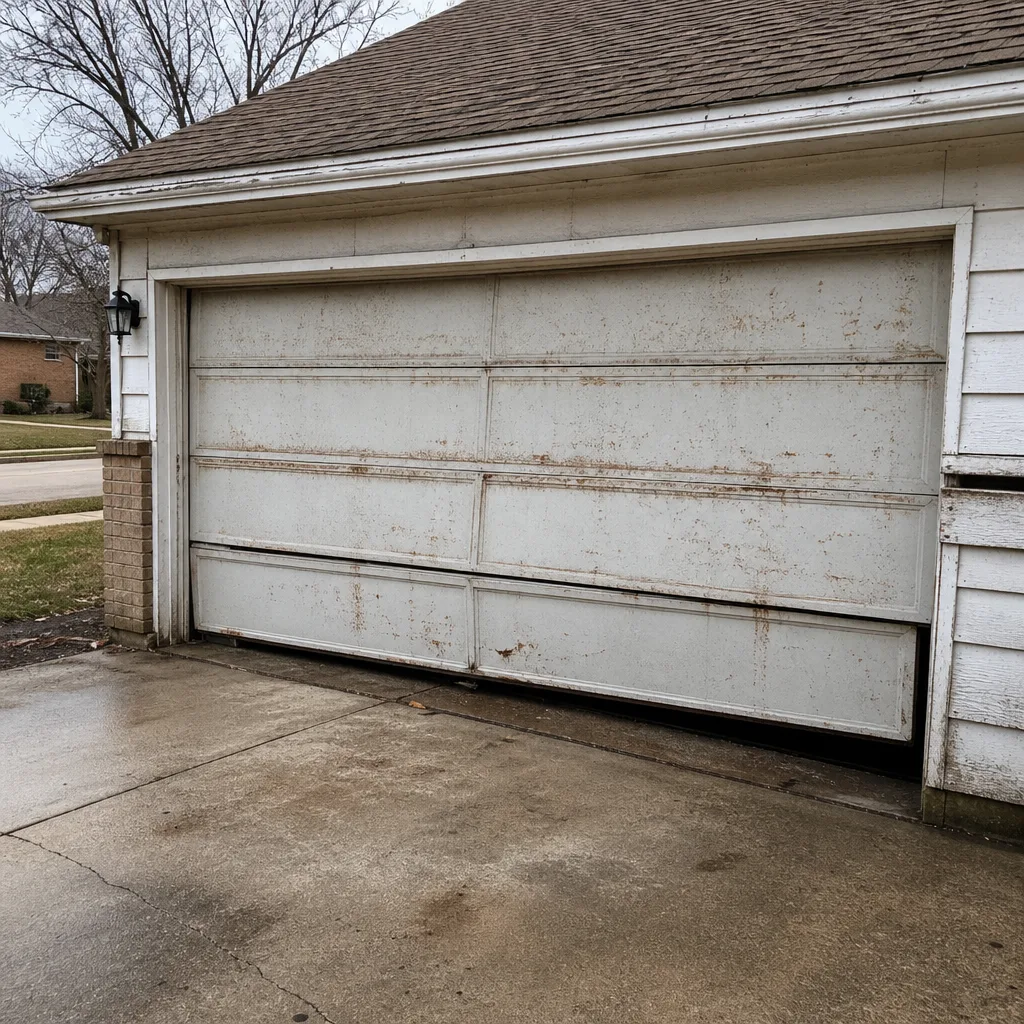 Before
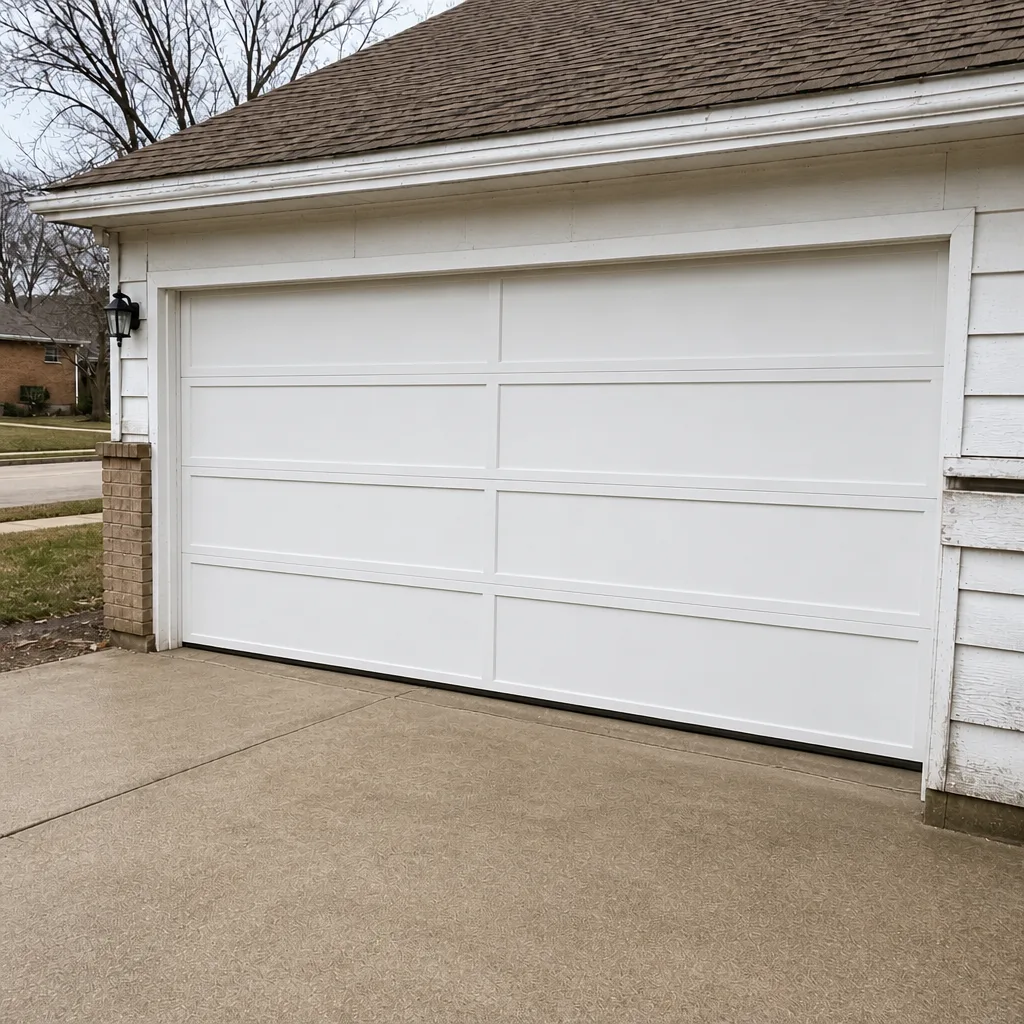 After
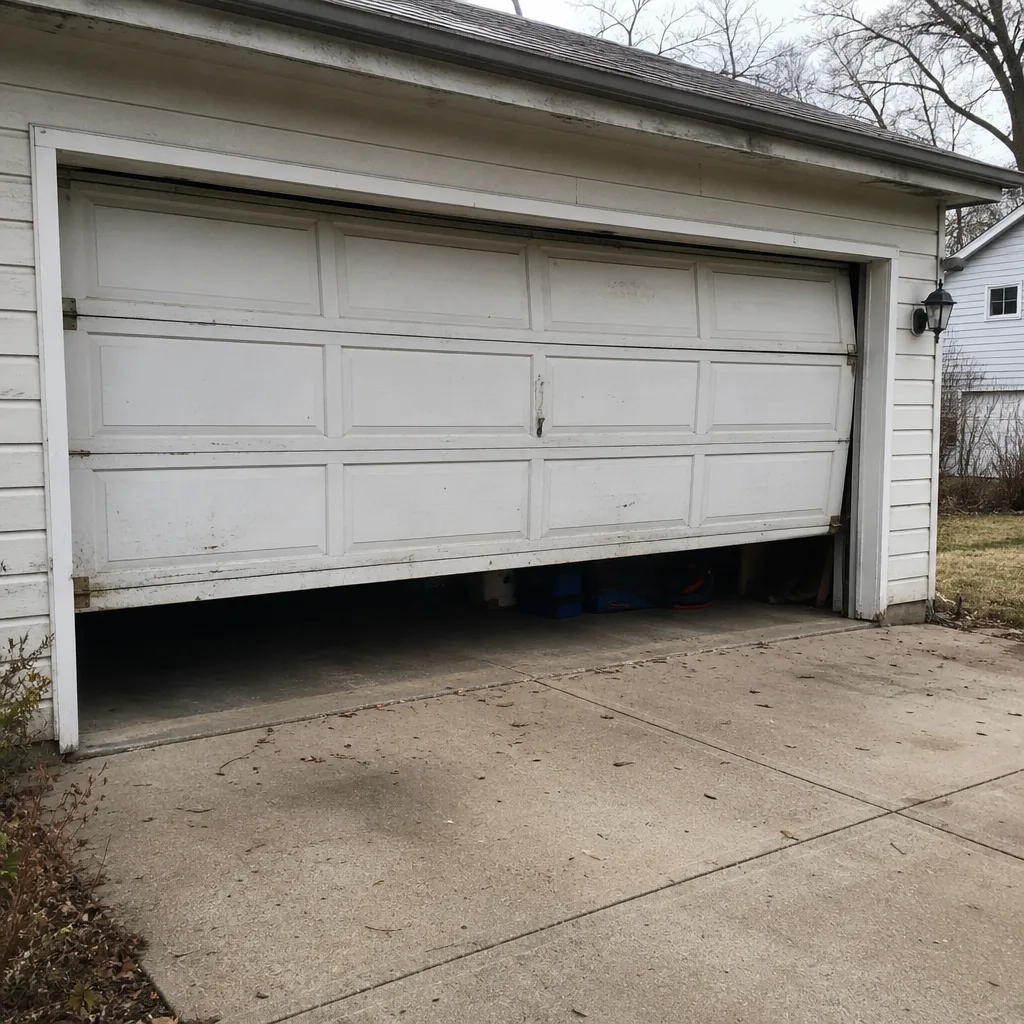 Before
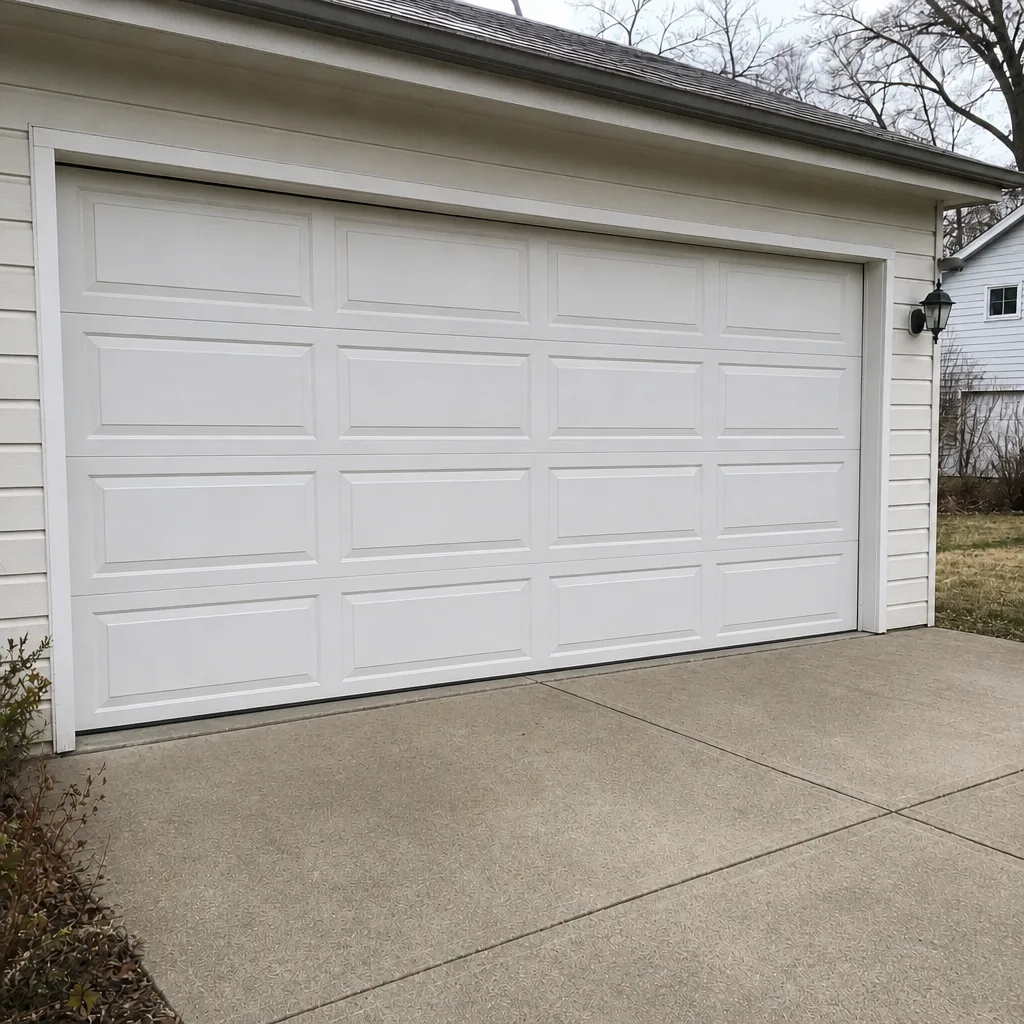 After
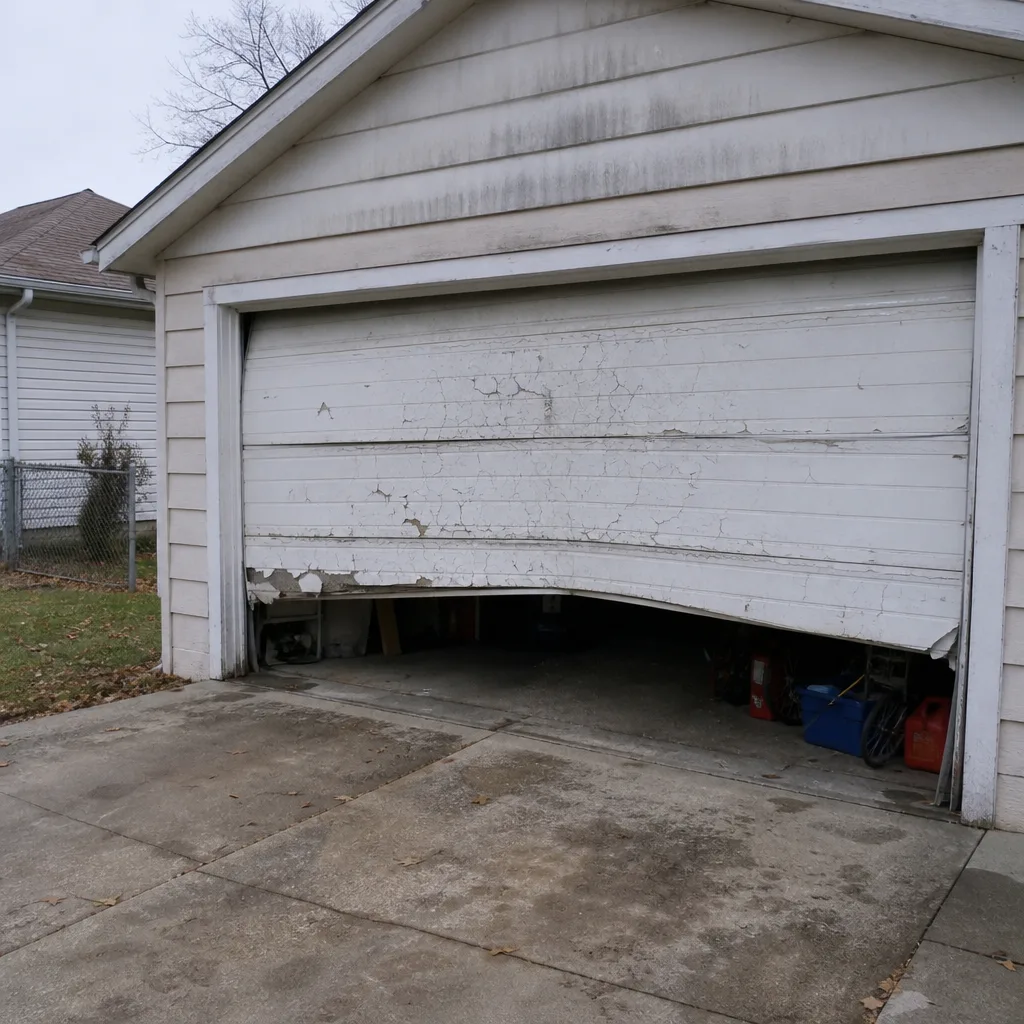 Before
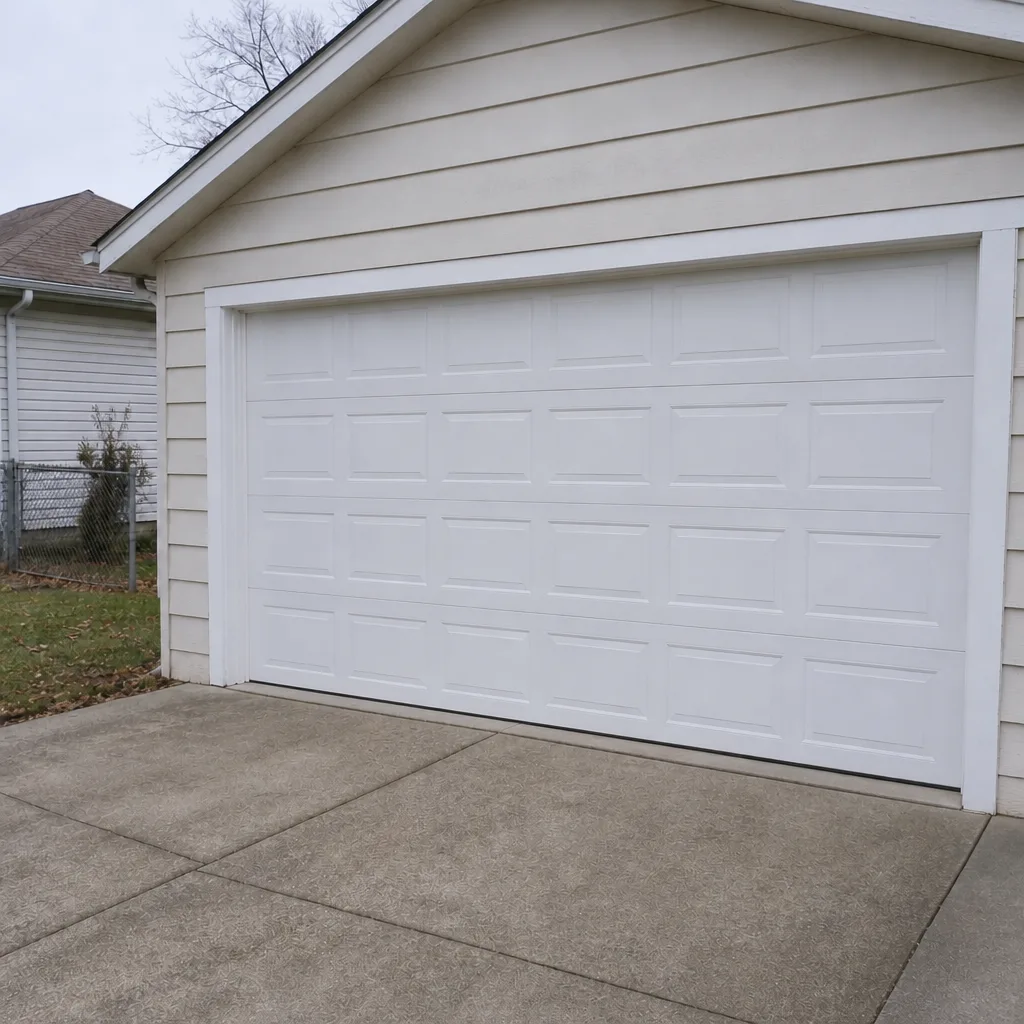 After
When to Call a Professional
Garage door springs are stored-energy components. A torsion spring under load can cause serious injury if it’s adjusted incorrectly, and cables under tension can snap with enough force to break a hand or worse. If the spring is broken, hang up the DIY video and call someone. The same is true for anything involving the opener’s electrical circuit, since opener control boards and wiring carry line voltage, and anything that involves climbing to work overhead on a door that could move unpredictably. Milwaukee winters add another layer: ice and packed snow in the door’s track and at the bottom seal cause doors to bind, and a binding door under a tired spring is a repair waiting to become a bigger one.
For the rest – a noisy opener, a door that reverses at random, a sensor light that stays on, a bottom seal that’s stopped sealing – it’s worth a call before the problem spreads. Honor Garage Door Repair offers free estimates in Milwaukee, and our technicians have up to 15 years of experience on the brands you already own. We give an honest assessment before any work begins, and the written estimate is the price.
Frequently Asked Questions
Look up the contractor’s status through the Wisconsin Department of Safety and Professional Services public license lookup, then ask for a certificate of insurance separately. Registration confirms the business exists and gives you a paper trail; it does not confirm brand-specific training or spring expertise, which you have to ask about directly. Call (866) 942-7695 for a free estimate and ask us the vetting questions yourself.
Spring repair in Milwaukee typically runs in the low hundreds per spring, with a matched pair almost always replaced together at roughly double the single-spring cost. The final price depends on spring size, cycle rating, and door weight, and it’s set by a written estimate before any work starts. Call (866) 942-7695 for an exact quote. Estimates are free.
A firm phone price before anyone has looked at the door is a guess, not an estimate, because spring failure and opener failure can sound identical to a homeowner. A contractor should take a look at the door, diagnose the actual fault, and put the scope and price in writing. Call us and we’ll book a look at the door: (866) 942-7695. We answer 24/7, with fast dispatch from 7am to 7pm, Sunday through Friday.
A legitimate estimate includes scope of work, parts specification (spring gauge and dimensions, or model number for openers and doors), labor itemized separately from parts, a labor warranty stated separately from the parts warranty, disposal, and a total price. If a contractor won’t itemize labor versus parts, that’s a reason to keep looking. Call (866) 942-7695 and we’ll walk through what’s on ours.
It depends on the scope of the work and on the city handling the permit, so call your local building department and ask before you schedule. Milwaukee and the surrounding suburbs don’t all handle this the same way, and the answer changes with what’s being replaced. The right contractor will tell you what to ask and won’t dodge the question. Call (866) 942-7695 if you want to talk it through.
The company is registered with the state and carries insurance, and we’ll provide documentation when asked. The technicians have up to 15 years of experience on the major brands, including LiftMaster, Chamberlain, Genie, Clopay, Amarr, Wayne Dalton, Craftsman, and Raynor. Call (866) 942-7695 for a free estimate and ask for the documentation up front. We say what we’ll do, then we do it.
The Bottom Line
Hiring a garage door contractor in Milwaukee comes down to a handful of questions that most homeowners never ask. Check registration and insurance first. Then push on the questions that actually test competence: which spring sizes are on the truck, which brands the technician knows from the inside, whether the estimate itemizes labor and parts separately, and whether the labor warranty is in writing. A contractor who can answer all four without hesitation is the one who will show up when they said they would, use the parts they said they’d use, and stand behind the work if something goes wrong. The name on the van matters less than the answers on the phone. Start there, and the rest of the decision tends to fall into place.
Honor Garage Door Repair covers repair, opener repair, and new installation across Milwaukee under one operation, so there’s no second call when your needs change. Repair, opener service, or a full new door – one call covers it. Free estimates, upfront pricing, and an honest assessment before any work begins. See our Milwaukee page for local details, or read more about Honor Garage Door Repair and what the Honor name stands for in practice.
Ready to get started? Call (866) 942-7695 for a free estimate. We answer 24/7. Fast dispatch from 7am to 7pm, Sunday through Friday, and we’re closed on Saturday. The written estimate we give you is the price.
Written by the team at Honor Garage Door Repair.