
Last updated November 15, 2026
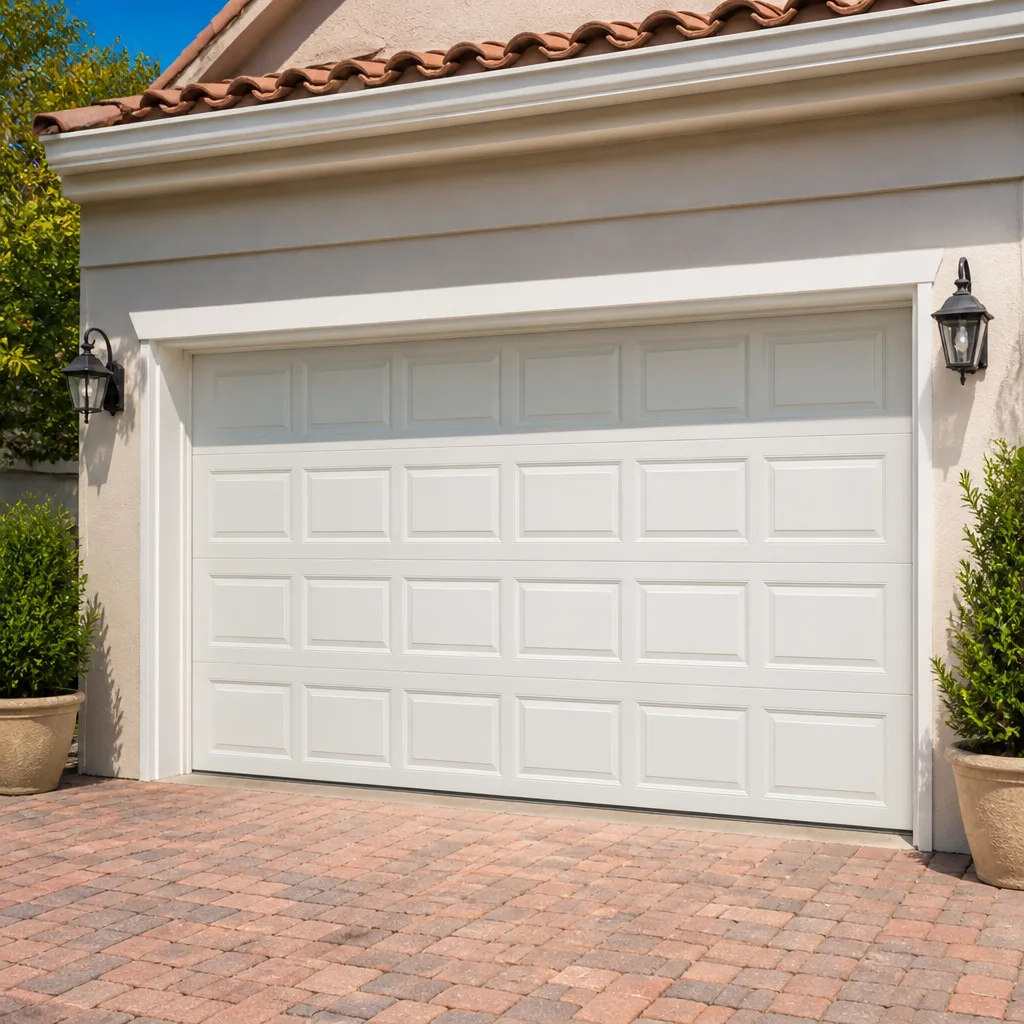 Raised-panel steel
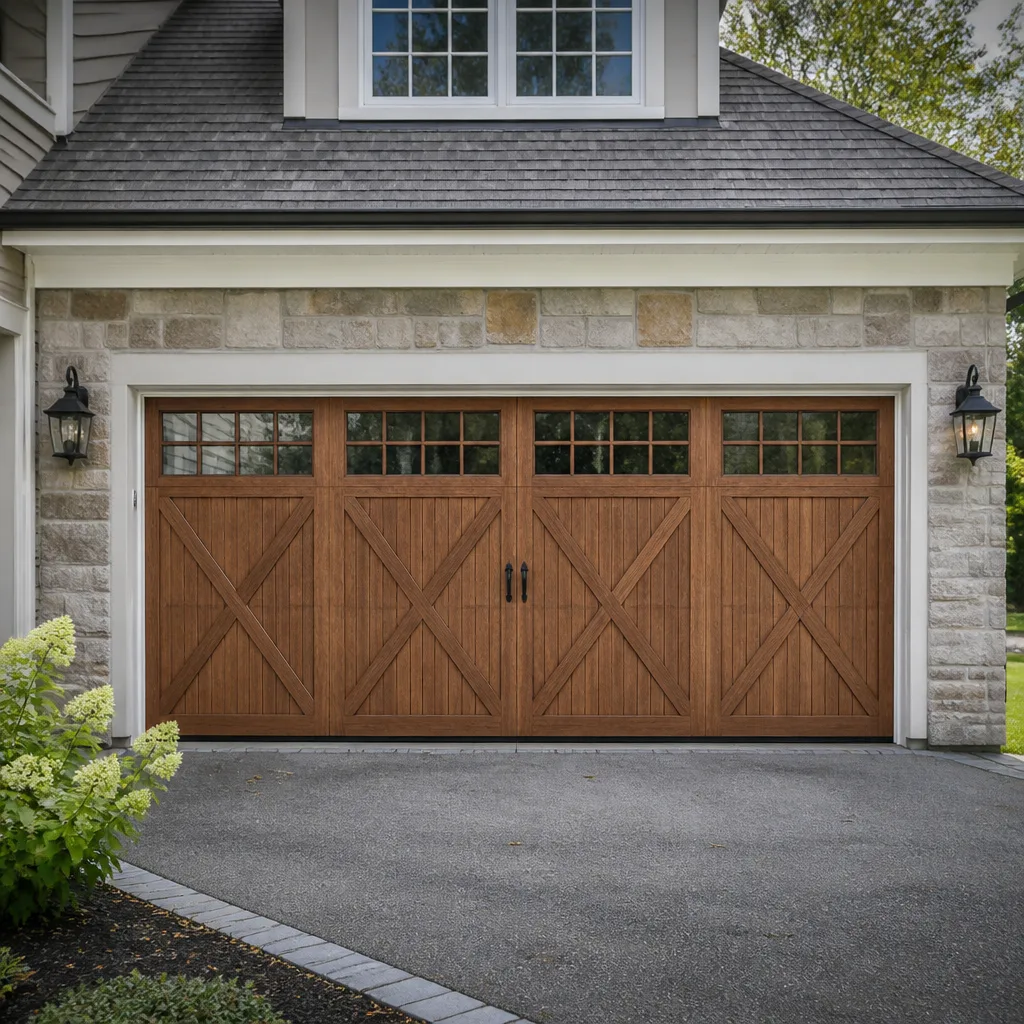 Carriage house
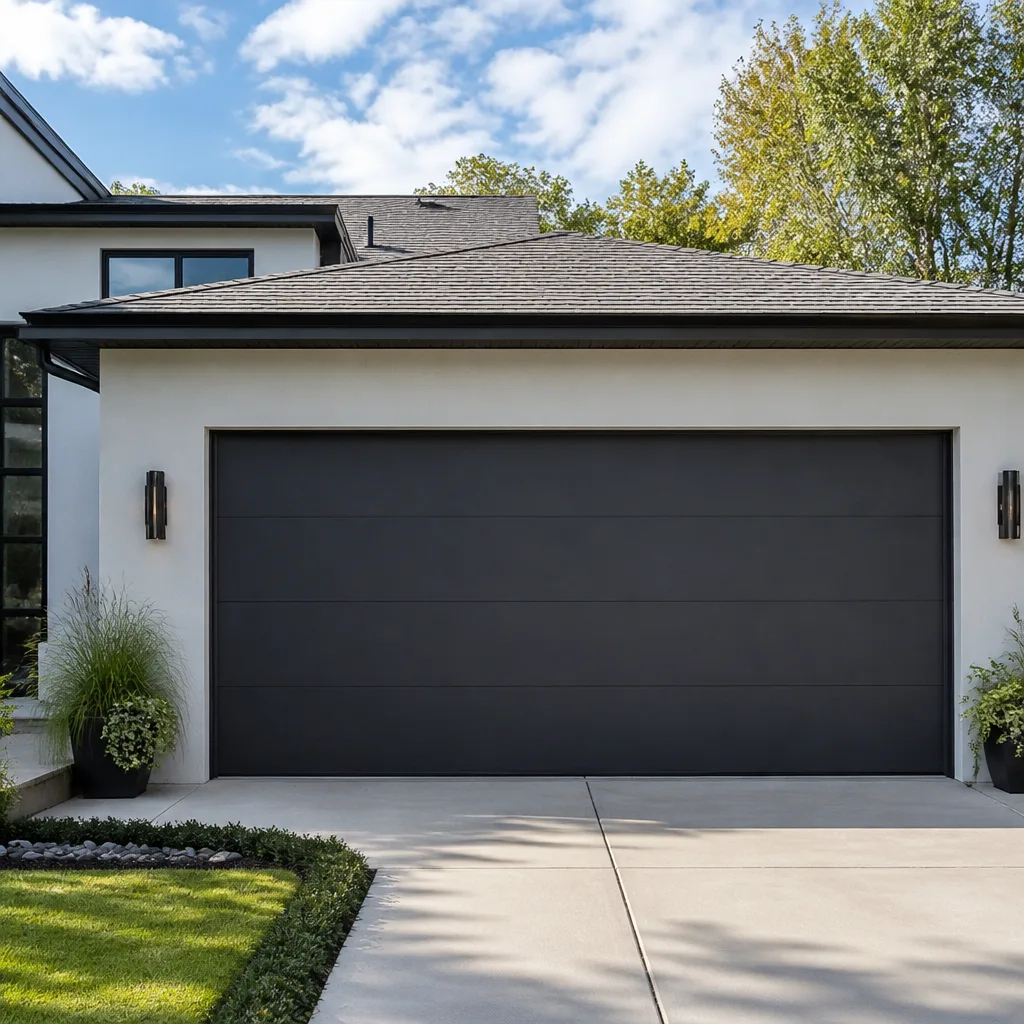 Modern flush
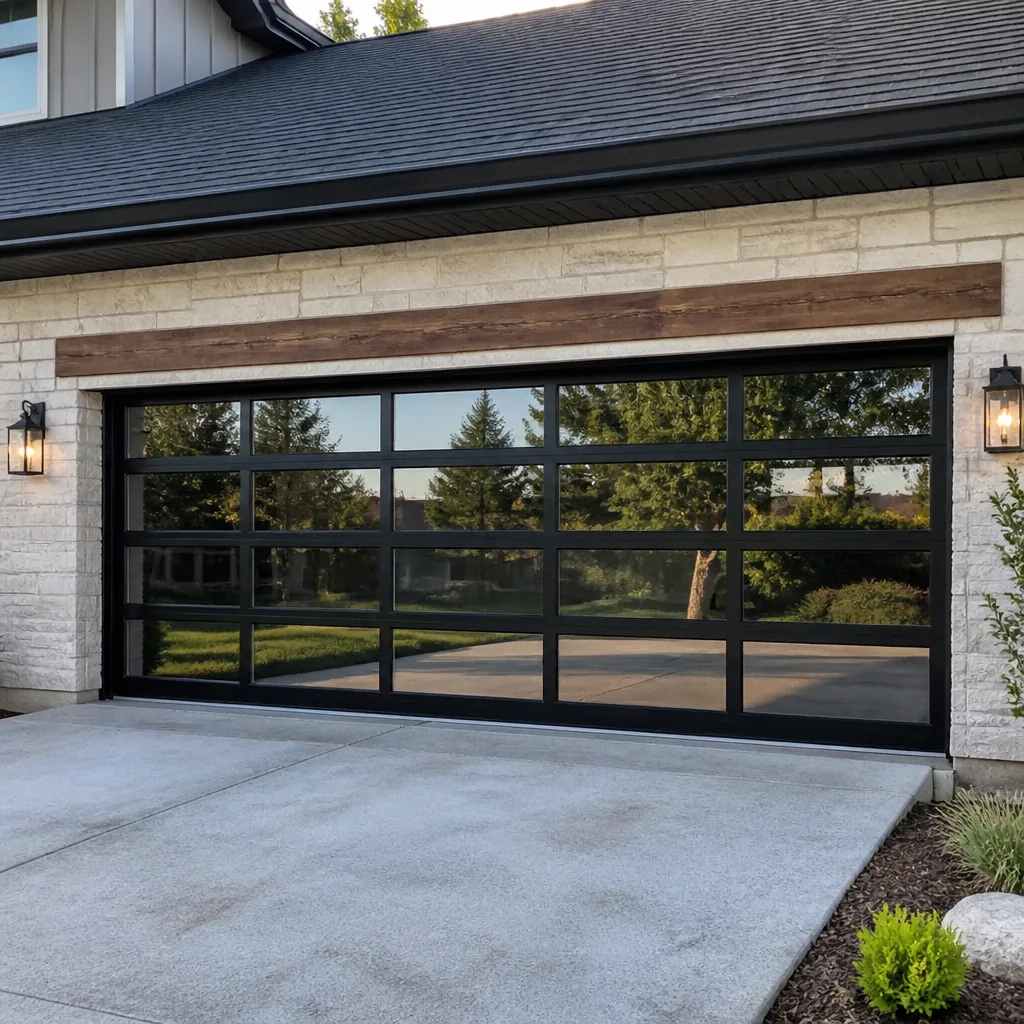 Full-view glass
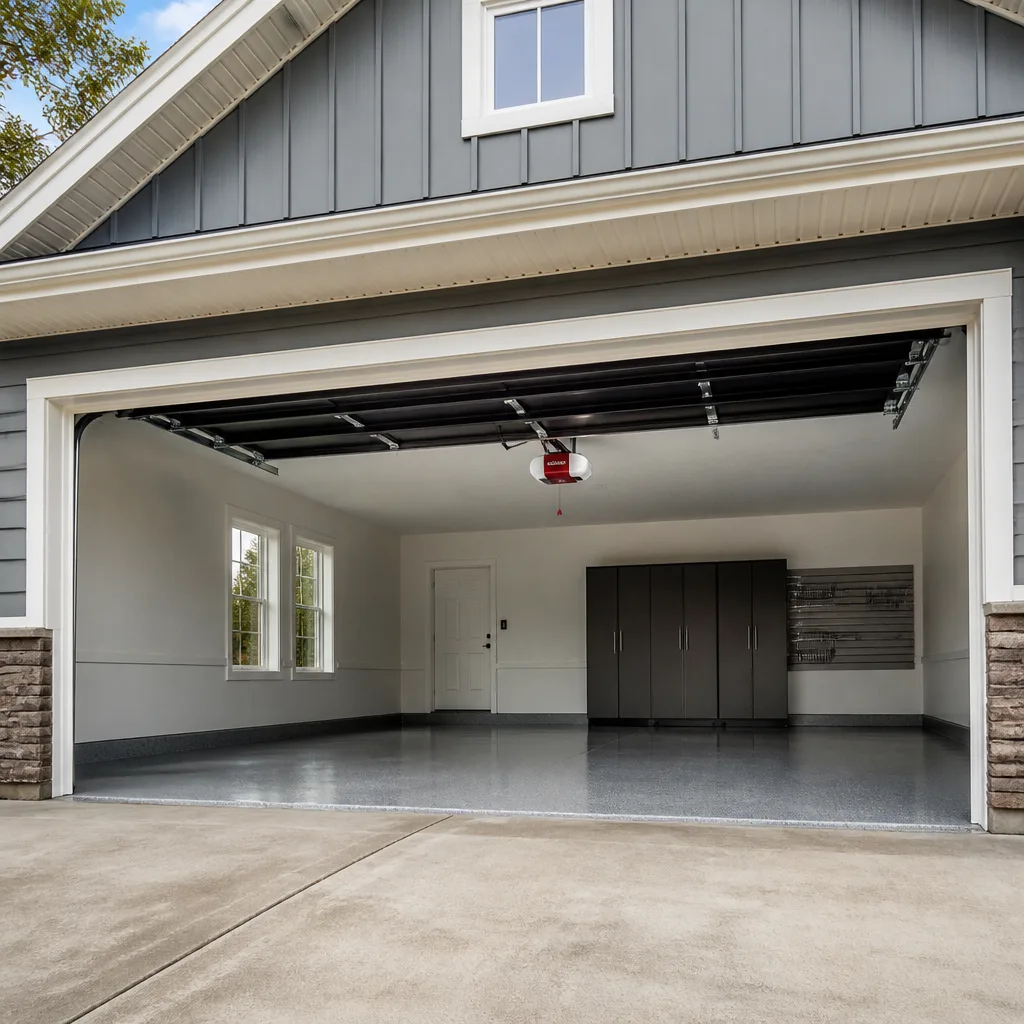 LiftMaster openers
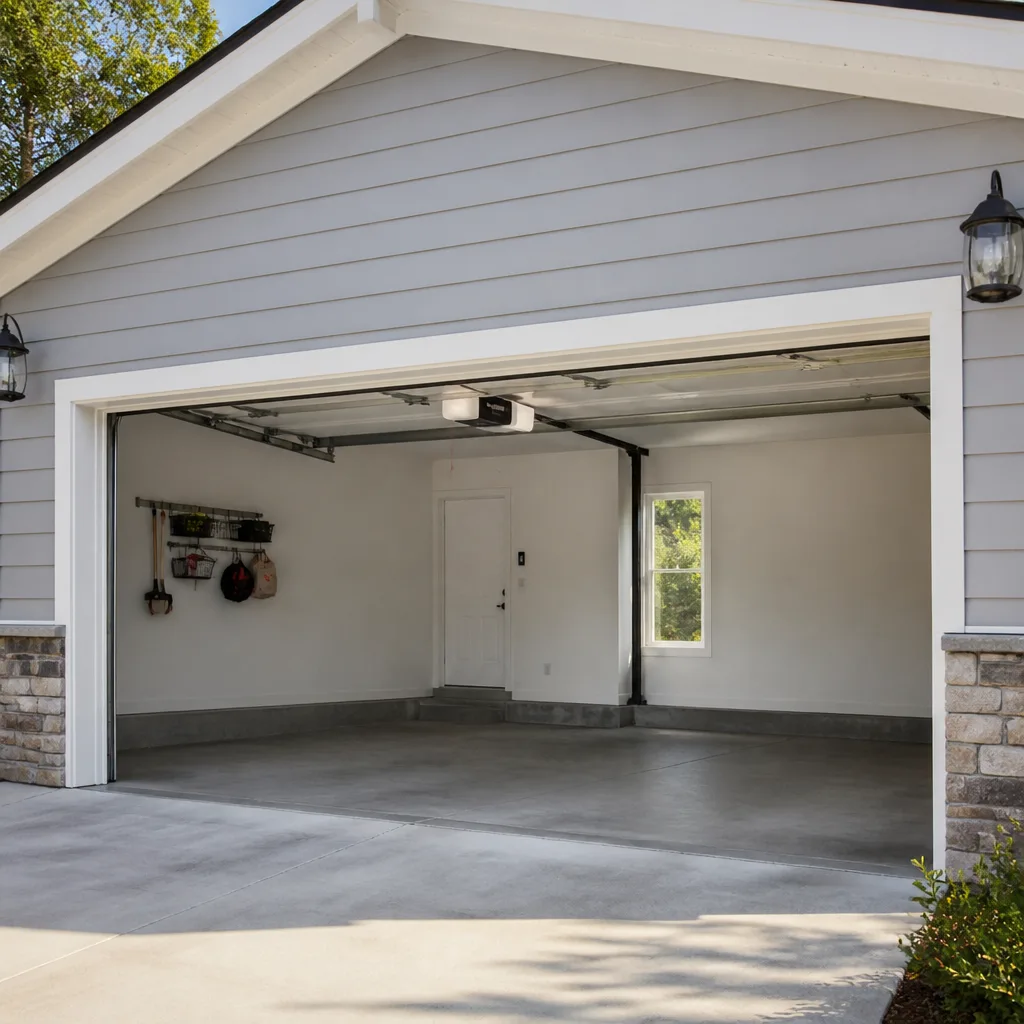 Chamberlain openers
Full 25-point door and opener safety check with every visit - springs, cables, rollers, tracks, and your LiftMaster or Chamberlain opener included
You get a price before we start. It does not change when the pro arrives.
Get your free estimateThe Complete Guide to Garage Doors in Milwaukee
Most garage door advice you’ll find online was written for a climate that doesn’t freeze, thaw, and freeze again four or five times in a single month. That gap matters. A door that performs fine in a mild-winter market can struggle through a Wisconsin February, and the failure points aren’t always the ones homeowners expect. The panel usually gets blamed. The bottom seal, the torsion springs, and the weatherstripping are more often the actual culprits. This guide treats the garage door as a system tied to a specific place: Milwaukee housing stock, Milwaukee winters, Milwaukee permit rules. You’ll learn how the freeze-thaw cycle wears down door components faster here, which materials earn their keep against a real winter, how to decide between repair and replacement on the housing stock that dominates this city, and what a full garage door system actually includes.
Quick Answer
A Milwaukee garage door is a complete system, not just a panel: the door itself, torsion springs, tracks, rollers, hinges, bottom seal, weatherstripping, and the opener. In this climate, the bottom seal and torsion springs wear fastest because of repeated freeze-thaw cycles. Whether you repair or replace comes down to the age and condition of the door, the housing stock it sits in, and whether the structure or just the hardware has failed. A written estimate sets the final price on any job.
Styles & brands we work with
- Raised-panel steel
- Carriage house
- Modern flush
- Full-view glass
- LiftMaster openers
- Chamberlain openers
Table of Contents
- How Milwaukee’s Freeze-Thaw Cycle Wears Down Your Door
- Which Garage Door Materials Hold Up Best in Milwaukee Winters
- Repair or Replace: Reading Milwaukee’s Housing Stock
- What a Full Garage Door System Includes
- Openers in Milwaukee: Legacy Systems and Smart-Home Upgrades
- Milwaukee Permit Triggers, Even for Straight Replacements
- What Garage Door Work Costs in Milwaukee
- A Seasonal Maintenance Routine for Milwaukee Homeowners
How Milwaukee’s Freeze-Thaw Cycle Wears Down Your Door
The single biggest driver of garage door wear in Milwaukee isn’t snowfall. It’s the thaw. When daytime temperatures climb above freezing and nighttime drops back below it, water melts into the small gaps around your door and then refreezes. That expansion and contraction works on seals, springs, and weatherstripping in a way that steady cold never does.
Here’s where it shows up first:
- Bottom seals. The rubber or vinyl seal along the bottom of the door takes the most direct hit from meltwater pooling at the threshold. It hardens, cracks, and loses its flexibility. Once it stops making contact, cold air and water get underneath, and the cycle accelerates.
- Torsion springs. Cold makes steel more brittle. A torsion spring that’s already near the end of its cycle count is more likely to snap during a cold snap than in July. This is why spring failures cluster in winter.
- Weatherstripping. The strips around the sides and top of the frame dry out and pull away. Gaps let in drafts, moisture, and occasionally small pests.
- Tracks and rollers. Ice buildup in the track channels can throw rollers off alignment. A door that jumps track after an ice storm usually started with a small amount of frozen meltwater in the wrong place.
What this means practically: Milwaukee homeowners should inspect the bottom seal and weatherstripping in late fall, before the first hard freeze, and again in early spring. A seal that’s still working in October may be shot by March. We’ve seen the same pattern across neighborhoods from Bay View to Washington Heights, where older homes sit on slightly settled slabs that make threshold contact even harder to maintain.
The good news is that seals and weatherstripping are among the least expensive components to replace, and catching them early protects the more costly parts of the system. Leave a failing bottom seal alone through a full Milwaukee winter and you’re more likely to be replacing springs and dealing with a moisture problem in the garage by spring.
Which Garage Door Materials Hold Up Best in Milwaukee Winters
Material choice matters more in Milwaukee than in milder markets, and some materials get oversold locally by installers who don’t account for the climate. Here’s how the main options actually perform.
Steel (the workhorse)
Steel is the most common garage door material in Milwaukee for good reason. It’s strong, it’s affordable, and it handles freeze-thaw well as long as the finish holds. The gauge matters: a heavier-gauge steel door resists denting and holds its shape better through thermal cycling than a thin one. Insulated steel doors, with a foam core, also help keep the garage warmer, which reduces condensation and ice buildup at the threshold.
Wood composite
Wood composite doors look great and are popular on the city’s older homes where the original door would have been wood. The trade-off is maintenance. Composite resists moisture better than solid wood, but in a Milwaukee winter, any exposed wood surface needs regular attention. Skip the upkeep and you’ll see swelling, cracking, and finish failure. These doors are a real commitment in this climate, not a set-and-forget choice.
Fiberglass
Fiberglass resists moisture and won’t rust, which sounds ideal for a wet, freezing climate. The catch is that fiberglass can become brittle in sustained cold, and impact damage is harder to repair than a steel dent. It performs well for some homeowners, but it’s not the slam-dunk it’s sometimes pitched as for a Wisconsin winter.
What we tell Milwaukee homeowners
For most homes here, an insulated steel door in a heavier gauge is the sensible default. It balances durability, insulation, and cost, and it holds up to the thermal cycling better than thin steel, wood, or fiberglass. If you want the look of wood, a steel door with a wood-grain finish gives you the appearance without the moisture vulnerability. We work on all the major brands, including Amarr and Wayne Dalton, so the recommendation is driven by your house and your budget, not by what happens to be sitting in inventory.
Repair or Replace: Reading Milwaukee’s Housing Stock
Milwaukee’s dominant housing stock was built roughly between the 1940s and the 1970s. That single fact shapes most repair-versus-replace decisions here. A garage door on a home from that era has likely been replaced once already, and the surrounding structure (the opening, the header, the jambs) has had decades to settle and shift.
The decision logic:
- Assess the door structure first. Dents, surface rust, and worn hardware are repairable. A cracked panel, a bent track that’s pulled the frame out of square, or rot in the wood frame around the opening pushes toward replacement.
- Check the springs and opener. If the door itself is sound but the springs and opener are original or near end of life, that’s a repair-and-service job, not a replacement. Springs and openers are serviceable independently of the door.
- Consider the age of the door relative to the home. On a 1950s or 1960s home, if the door is original or very old, replacement usually makes more sense than sinking money into a tired structure. On a home where the door was replaced in the last fifteen or twenty years, repair is almost always the better return.
- Weigh the frame and opening. Older Milwaukee garages sometimes have openings that are slightly out of square from decades of settling. A straight replacement can fix this if it’s measured properly. A repair that ignores it just postpones the problem.
- Factor in insulation and efficiency. An uninsulated door on an attached garage leaks heat and invites condensation. If efficiency is a concern, an insulated replacement can pay off over time, though we won’t quote a savings number we can’t stand behind.
Here’s the honest part: the company that only installs will tell you to replace, and the company that only repairs will tell you to patch it. Honor Garage Door Repair does repair, opener service, and full installation, so we can give you an honest assessment of your Milwaukee garage door without a conflict of interest. We say what we’ll do, then we do it.
What a Full Garage Door System Includes
Milwaukee homeowners routinely underestimate scope because the panel is the only visible part. The panel is one component of a system, and the system is what actually works or fails. When you understand the parts, you can have a more useful conversation with any technician about what’s being repaired or replaced.
A complete garage door system includes:
- The door panels – the visible face, in steel, wood, composite, or fiberglass.
- Torsion springs (or extension springs on older doors) – these counterbalance the door’s weight so the opener doesn’t have to lift it alone.
- Tracks – the rails the door runs on, mounted to the frame and the ceiling.
- Rollers and hinges – the moving connections that let the door flex and travel.
- The bottom seal – the weather barrier at the threshold.
- Weatherstripping – the side and top seals around the frame.
- The opener – the motor, rail, and controls, plus any safety sensors.
- Safety sensors and hardware – the reversing mechanism and the brackets that hold everything together.
The safety point deserves its own line. Torsion springs and cables are under extreme tension. A spring or cable that’s failing, or that you try to handle yourself, can cause serious injury. This is one component where we don’t hand out step-by-step instructions. Leave spring and cable work to a trained professional. The same goes for the electrical side of the opener and any wiring in the garage.
When a technician quotes a repair, ask which components are involved. If a spring replacement is quoted, understand it’s one spring, and that a matched pair is usually replaced together, so a pair costs about twice the single-spring figure. That’s not upselling. It’s how the system is designed to work.
Openers in Milwaukee: Legacy Systems and Smart-Home Upgrades
Opener repair is its own specialty, and it’s one that gets bundled poorly by companies that treat it as an afterthought. In our experience, an opener problem and a door problem can present the same way: the door won’t open. Diagnosing which one is actually failing saves you from paying for the wrong repair.
Milwaukee’s housing stock means we see a wide range of opener ages. Many homes still run legacy systems from Craftsman or Genie that were installed decades ago, and those units can often be repaired rather than replaced. Newer homes may have Wi-Fi-enabled openers from LiftMaster or Chamberlain, where the repair is more about the control board, the sensors, or the smart-home connection than the motor itself.
What a proper opener diagnosis covers:
- Test the opener’s response to the remote and the wall switch separately to isolate a control issue from a motor issue.
- Check the safety sensors. A misaligned or dirty sensor is one of the most common reasons a door won’t close.
- Inspect the drive mechanism (chain, belt, or screw) for wear or slack.
- Confirm the door itself is balanced. An opener straining against an unbalanced door will fail again even after repair.
- For smart openers, verify the Wi-Fi module and app connection separately from the mechanical function.
Because we work on both legacy and smart-home openers across the major brands, the recommendation is built around what’s already in your garage. If a repair makes sense, we’ll say so. If a replacement does, we’ll explain why in plain terms. Call (866) 942-7695 for garage door opener repair and we’ll give you a straight answer. Estimates are free.
Milwaukee Permit Triggers, Even for Straight Replacements
One thing national guides skip entirely: local permit rules. Many homeowners assume a straight door replacement (same size, same opening, new door) needs no permit. In many Milwaukee and surrounding suburb jurisdictions, that’s not a safe assumption. Permit triggers vary by municipality, and they can apply even to a replacement when the door size changes, the opener wiring is altered, or the structural opening is modified.
Because requirements differ between the city of Milwaukee and each surrounding suburb, we don’t hand out blanket rules. The right move is to ask the building department in your specific municipality before work starts. A few questions to have ready:
- Does replacing a door of the same size require a permit in this jurisdiction?
- Is a permit needed if the door size changes?
- Does adding or replacing an opener trigger an electrical permit?
- Are there inspection requirements after installation?
We flag this because it’s a real cost and timeline variable that homeowners deserve to know about up front. It’s also part of what Honor means: honest diagnosis before any work begins, including telling you when a step like a permit applies. The written estimate you get should account for the permit question, not leave it as a surprise.
What Garage Door Work Costs in Milwaukee
Costs depend on the door, the component, and the job, and any figure is an estimate until a written quote is in hand. The written estimate sets the final price, and you’ll agree to it before any work starts. Here’s how the main categories break down in typical terms.
- Spring repair or replacement: priced per spring. A matched pair is usually replaced together and costs about twice a single-spring figure.
- Bottom seal and weatherstripping: among the lower-cost repairs, and worth doing proactively before winter.
- Track and roller repair: varies with whether the track is bent or just needs realignment and new rollers.
- Opener repair: depends on whether the fault is in the motor, control board, sensors, or drive mechanism.
- Full door replacement: the largest category, driven by material, insulation, and size, plus any permit costs.
We don’t publish invented price ranges for Milwaukee, because we’d rather quote your actual job. What we will always do is quote and agree the price before work begins, and put it in writing. If something changes once the technician is on site (a hidden crack behind a panel, a frame that’s more out of square than it looked), you hear about it before anyone proceeds, and you decide.
A Seasonal Maintenance Routine for Milwaukee Homeowners
A little routine maintenance goes a long way in this climate. None of it involves the springs or cables, which are professional-only. These are the checks a homeowner can safely do.
- Late fall: inspect the bottom seal and weatherstripping. Look for cracks, hardening, or gaps. Replace before the first hard freeze.
- Late fall: clear the tracks. Remove debris and check for ice or standing water that will refreeze.
- Winter: watch for ice at the threshold. Meltwater that refreezes under the door is the enemy. Keep the apron clear.
- Spring: re-check seals and weatherstripping. Winter takes a toll. What looked fine in November may need attention now.
- Spring and fall: listen to the door. Grinding, squealing, or a door that hesitates is telling you something. Address it before it becomes a bigger repair.
- Year-round: test the safety reverse. Put an object in the door’s path and confirm it reverses. If it doesn’t, call for service.
If you want the door inspected as part of a repair, we’ll go through the whole system, not just the part that failed. That’s how you avoid a repeat visit two months later.
Common Mistakes to Avoid
- Skipping the permit check. Assuming a straight replacement needs no permit is a common and costly mistake in Milwaukee and its suburbs. Requirements vary by municipality, so ask your building department before work begins.
- Ignoring the bottom seal until spring. A failing seal through one Milwaukee winter lets moisture in and accelerates spring wear. Replace it in fall, not after the damage is done.
- Replacing the door when only the opener or springs failed. These are independent systems. Get a diagnosis that separates them before you spend on a full replacement.
- Letting a company with only one service decide for you. A repair-only shop will repair, an install-only shop will replace. Make sure the advice comes from someone who does all three.
- Buying the cheapest steel door without checking the gauge. Thin steel dents and flexes through thermal cycling. Gauge matters more than the low price tag in this climate.
- Touching the springs or cables. These are under extreme tension and can cause serious injury. This is professional work, full stop.
- Assuming the national average applies. Freeze-thaw means components wear on a different schedule here. Inspect on a Milwaukee timeline, not a generic one.
See the difference
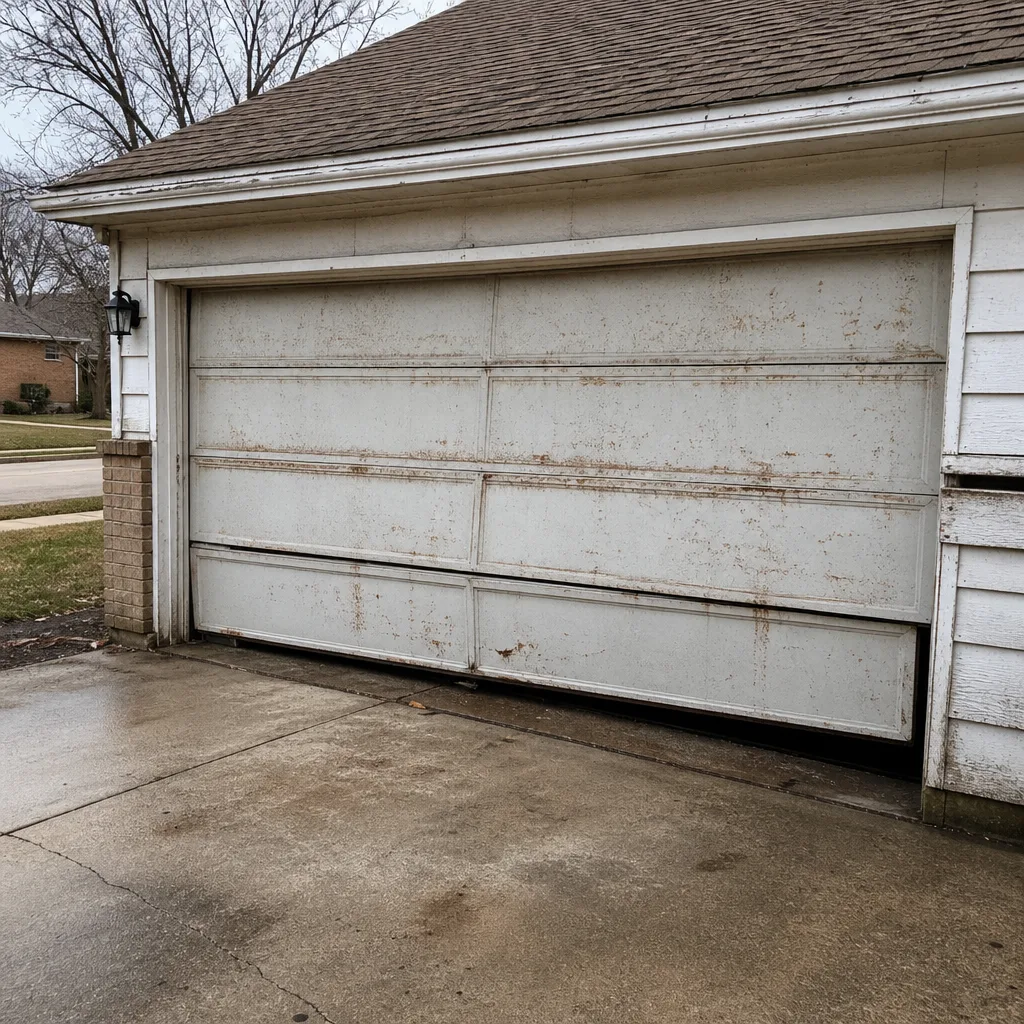 Before
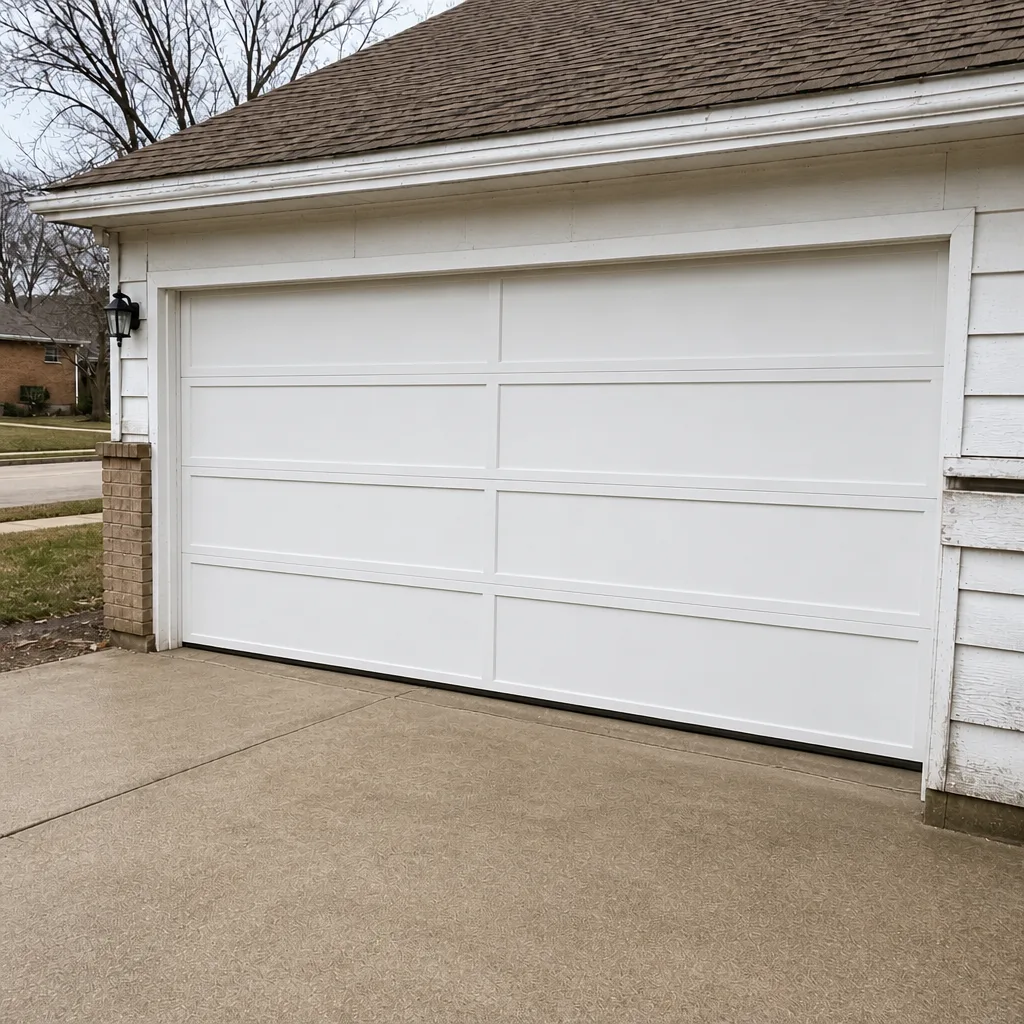 After
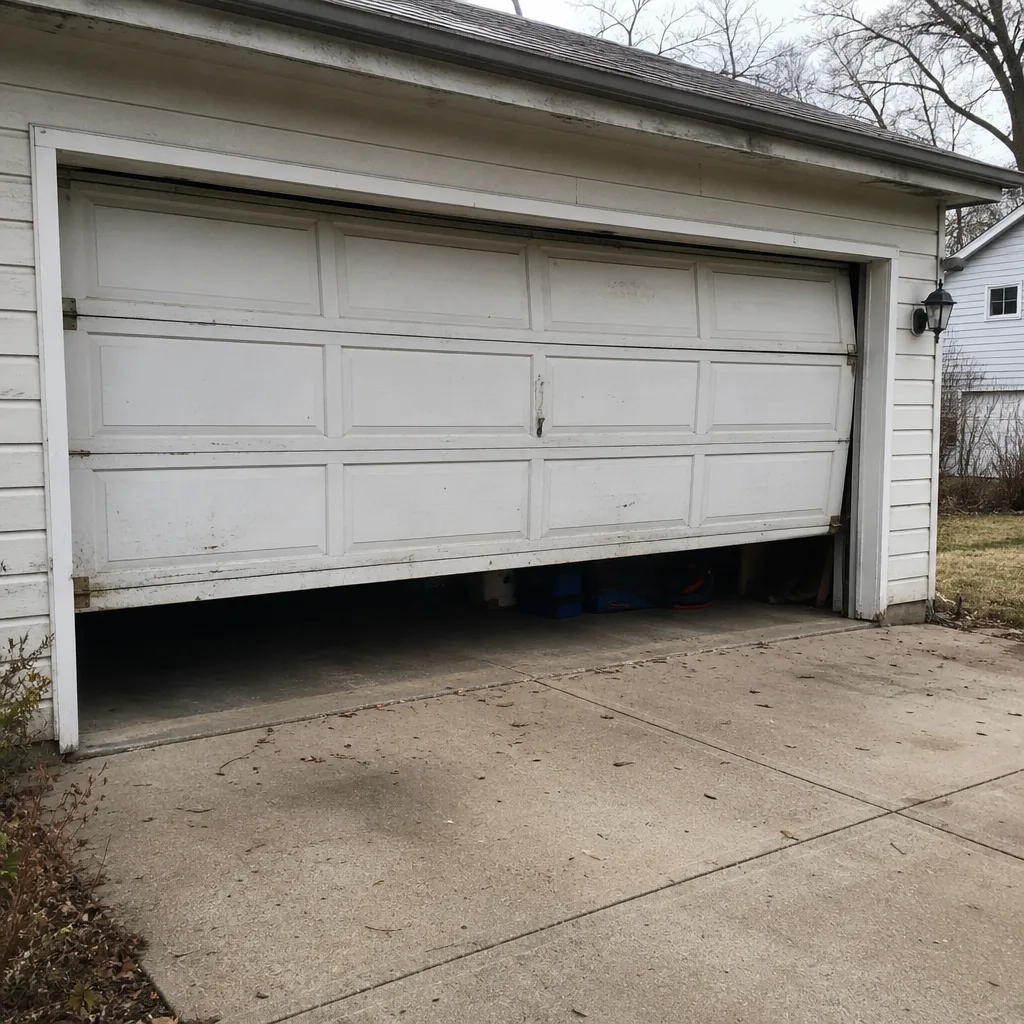 Before
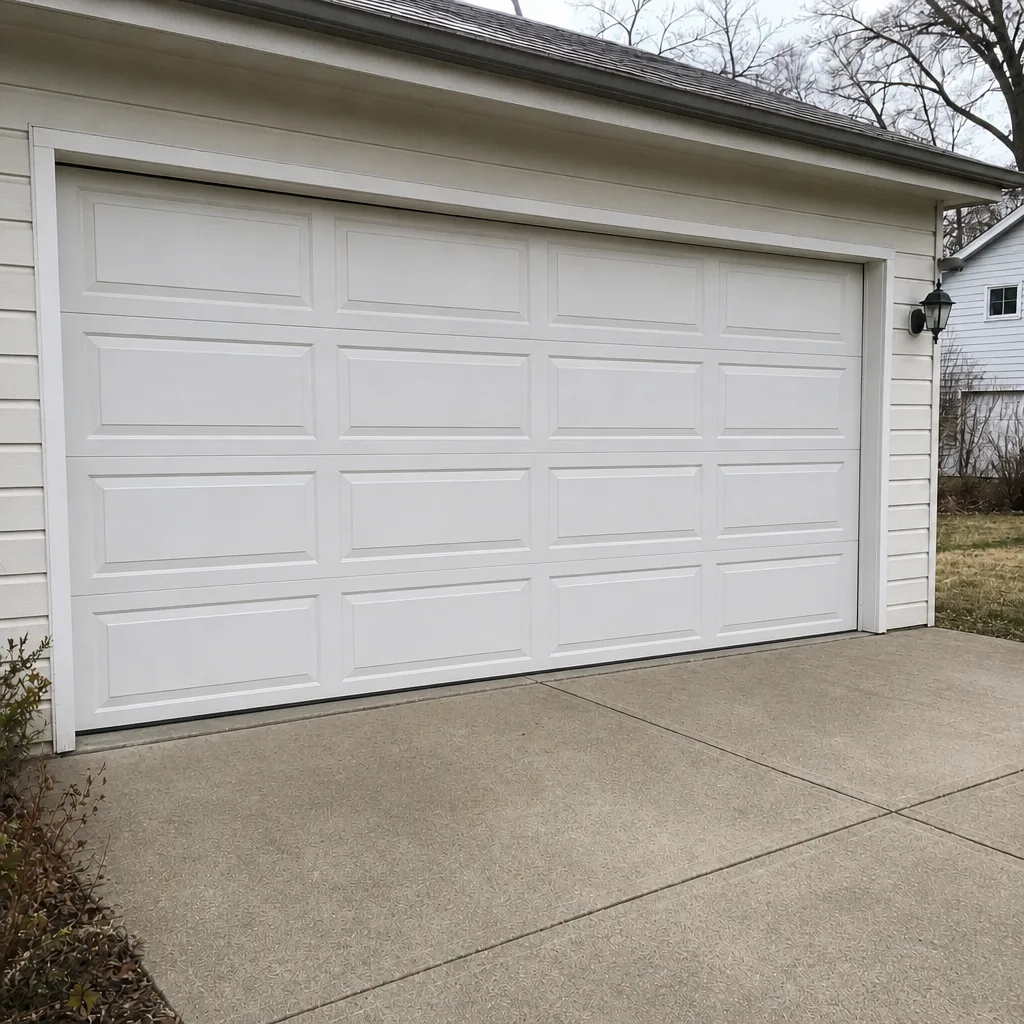 After
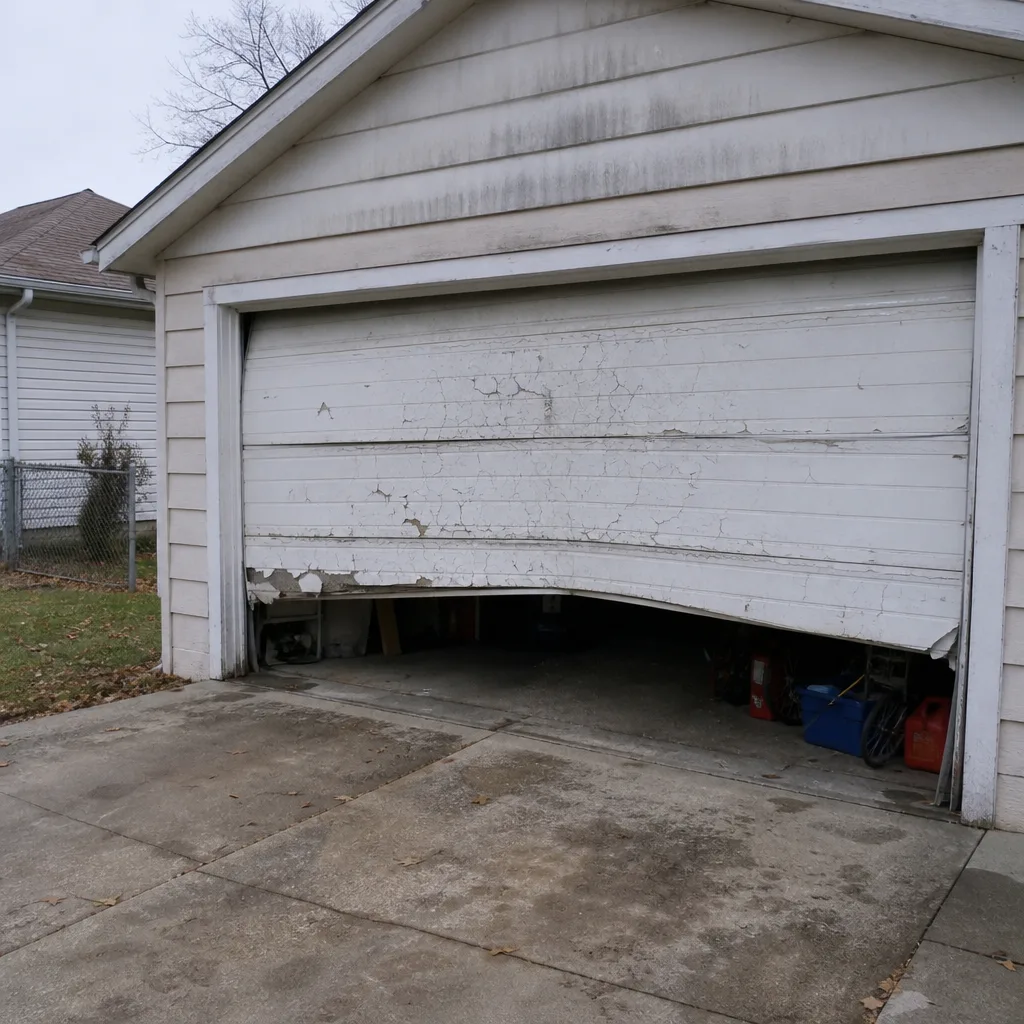 Before
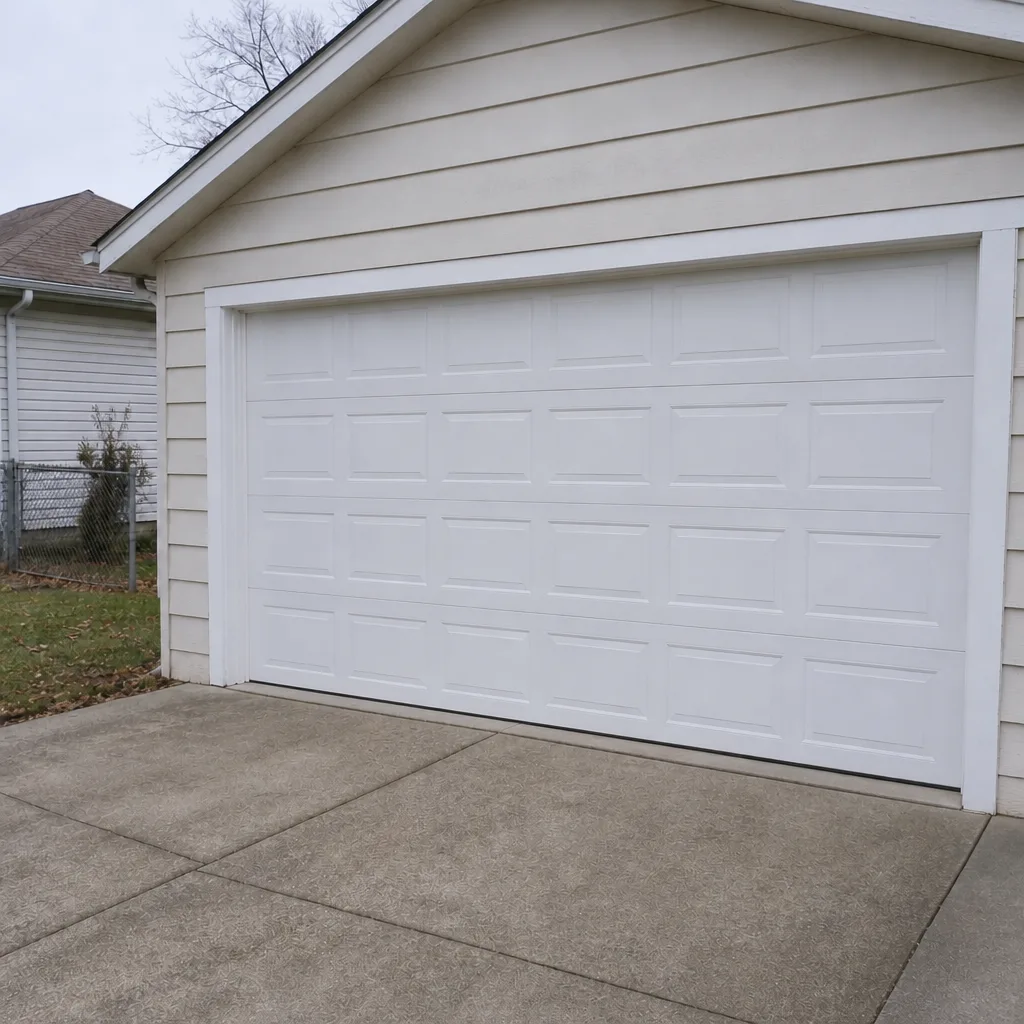 After
When to Call a Professional
Call a professional when a spring snaps, a cable loosens, or a door comes off its track. Call when the opener runs but the door doesn’t move, or moves and reverses for no clear reason. Call when the bottom seal is cracked and cold air is coming in, or when you can see daylight around the frame. Call when a panel is cracked, the frame is rotted or out of square, or the door is original to a mid-century home and you’re weighing repair against replacement. And call before you touch the springs or cables, because that’s not a DIY job. Honor Garage Door Repair offers free estimates in Milwaukee: call (866) 942-7695. We answer 24/7, with fast dispatch from 7am to 7pm, Sunday through Friday. We’re closed on Saturday.
Honor Garage Door Repair is your full-lifecycle garage door specialist for garage door repair, opener service, and full installation. Our technicians have up to 15 years of experience and are familiar with the brands already in your garage, including Amarr, Wayne Dalton, Craftsman, and Raynor, so you get brand-specific know-how rather than a generic pitch. Learn more about Honor Garage Door Repair and what we stand for.
Frequently Asked Questions
Once a year, ideally in late fall before the first hard freeze, is the general recommendation in this climate. The freeze-thaw cycle wears seals and weatherstripping faster than in milder markets, so an annual inspection catches small problems before winter turns them into spring repairs. If the door is older or gets heavy daily use, a second look in spring is worth it. Call (866) 942-7695 to schedule a service visit. Estimates are free.
It depends on your municipality. Requirements vary between the city of Milwaukee and each surrounding suburb, and a permit can apply even to a straight replacement if the size changes or the opener wiring is altered. Ask your local building department before work starts. We’ll flag the permit question as part of your written estimate so it’s not a surprise. Call (866) 942-7695 for a free estimate.
Base it on the door’s structure, not just its hardware. If the panels are sound and the springs or opener are the issue, repair is usually the better call. If the panels are cracked, the frame is rotted or out of square, or the door is original to a mid-century Milwaukee home, replacement often makes more sense. A technician who does both repair and installation can give you an honest answer without steering you. Call (866) 942-7695.
Cold makes steel more brittle, and a spring already near the end of its cycle count is more likely to snap in a cold snap than in warm weather. Milwaukee’s freeze-thaw cycle adds stress on top of that. A spring that’s been sounding or feeling different is worth inspecting before winter. Call (866) 942-7695 to book an inspection. Estimates are free.
Yes. We service both legacy openers and modern Wi-Fi-enabled smart-home openers from the major brands, including LiftMaster and Chamberlain. When a smart opener fails, the fault can be in the motor, the control board, the safety sensors, or the Wi-Fi connection itself, and we diagnose which before recommending a repair. Call (866) 942-7695 for opener repair. Estimates are free.
For most homes here, insulated steel in a heavier gauge holds up best to the freeze-thaw cycle. It resists denting, holds its shape through thermal cycling, and the insulation reduces condensation at the threshold. Wood composite needs real maintenance in this climate, and fiberglass can become brittle in sustained cold. We work on steel doors from Amarr and Wayne Dalton, among others, and we’ll match the recommendation to your house. Call (866) 942-7695 for a free estimate.
The Bottom Line
A garage door in Milwaukee isn’t the same product as a garage door in a mild-winter market, and treating it that way is where homeowners get into trouble. The freeze-thaw cycle wears bottom seals, weatherstripping, and torsion springs on a faster schedule than national guides suggest. Insulated steel in a heavier gauge earns its keep here; wood composite and fiberglass come with trade-offs the sales pitch skips. Milwaukee’s mid-century housing stock means repair-versus-replace usually comes down to the structure of the door, not the hardware. A full system includes the opener, springs, tracks, and seals, so scope is bigger than the panel. And permit rules apply even to straight replacements, so ask your building department. The written estimate sets the final price, and you’ll agree to it before work begins. This guide was built for this city, not any ZIP code, and the company behind it is built the same way: honest assessment, brand-specific know-how, and one call covering repair, opener service, and installation.
Call (866) 942-7695 for a free estimate. We answer 24/7, with fast dispatch from 7am to 7pm, Sunday through Friday. We’re closed on Saturday.
Written by the team at Honor Garage Door Repair.