
Last updated November 15, 2026
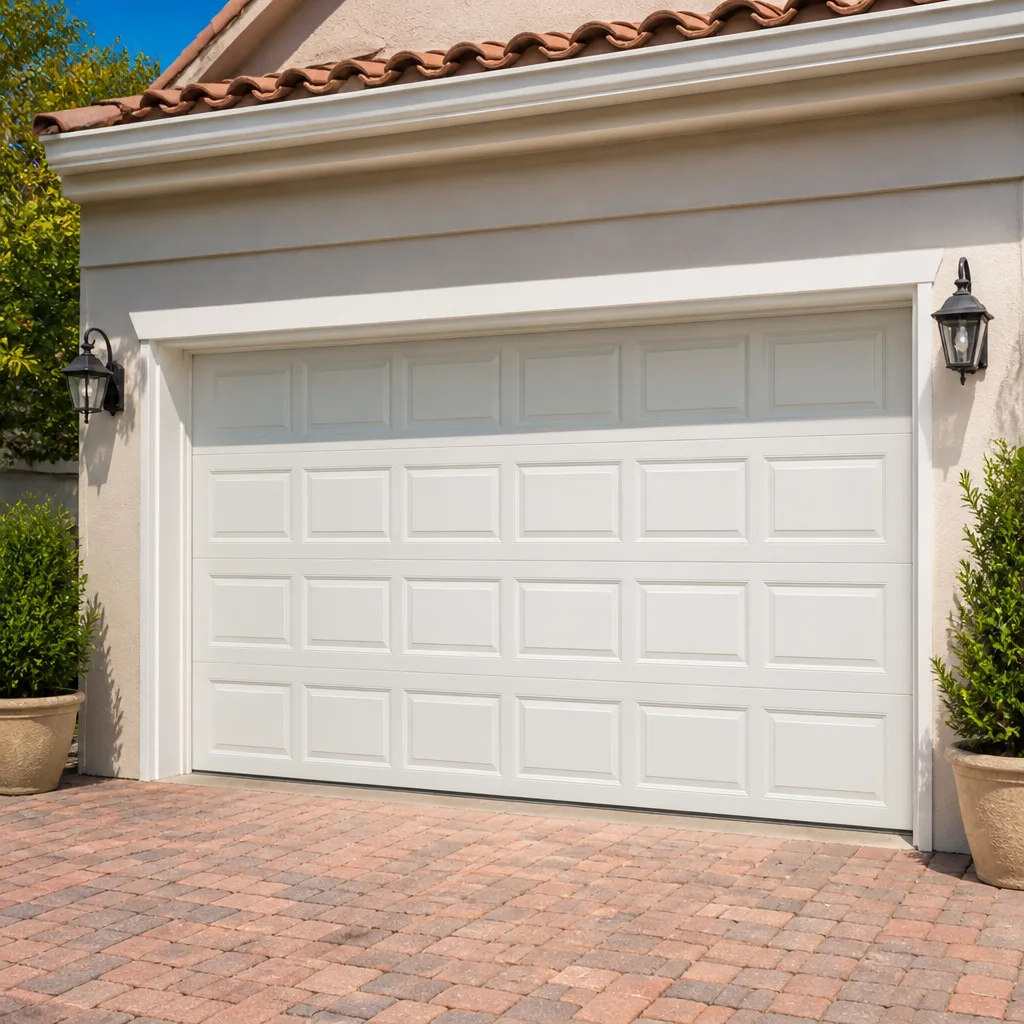 Raised-panel steel
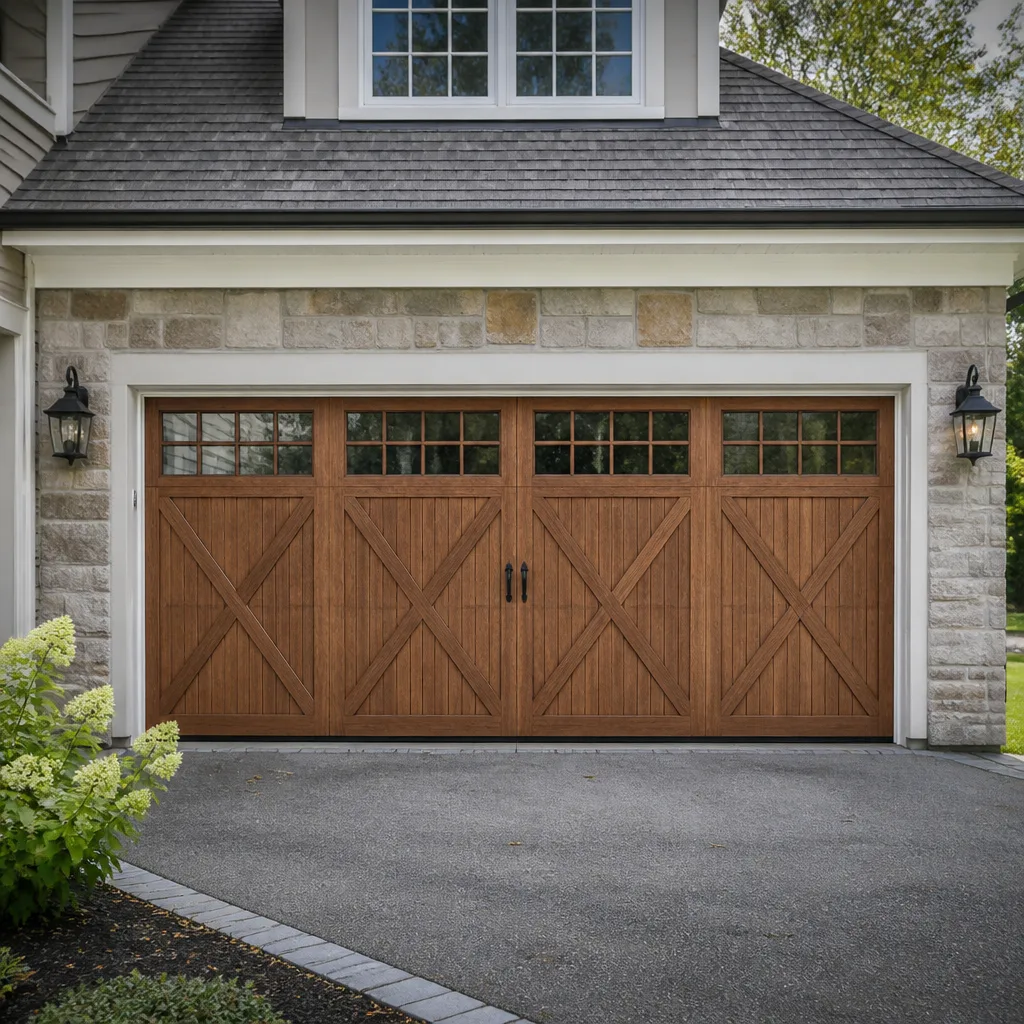 Carriage house
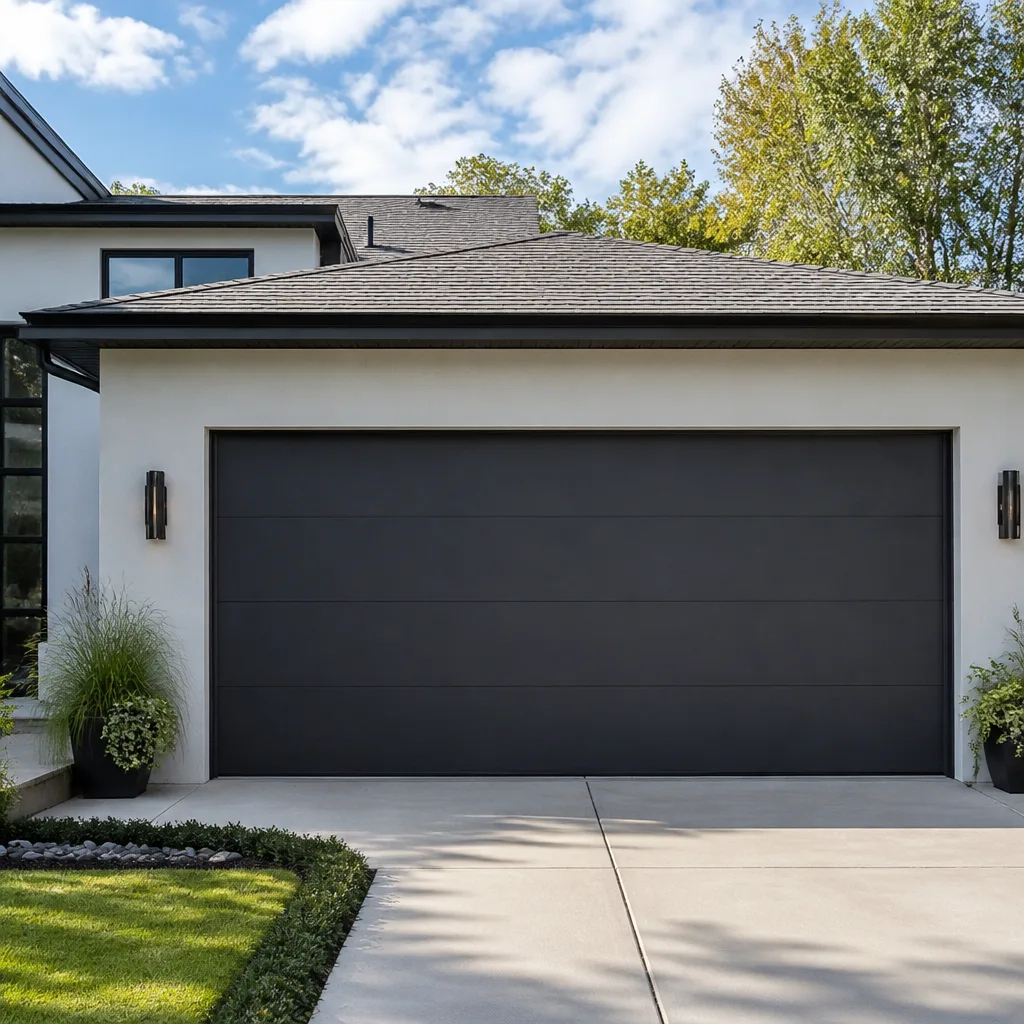 Modern flush
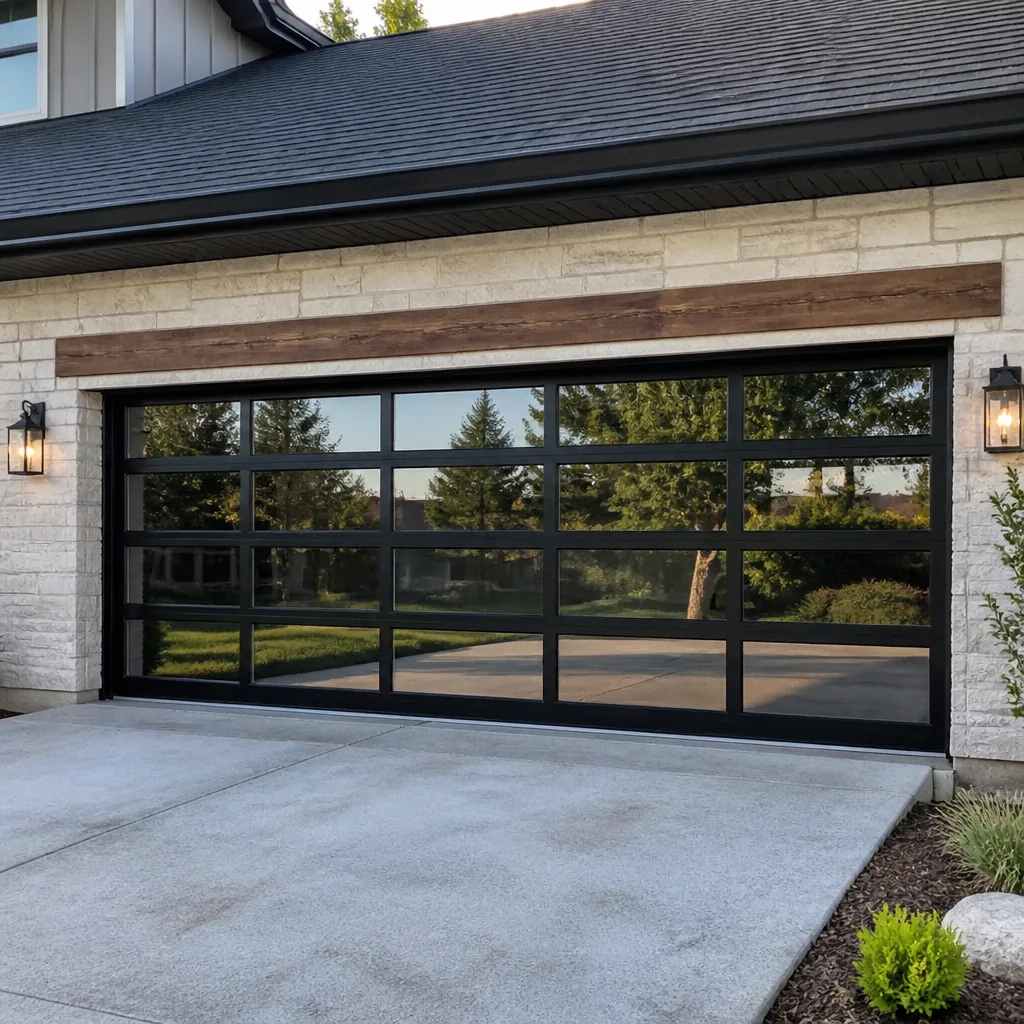 Full-view glass
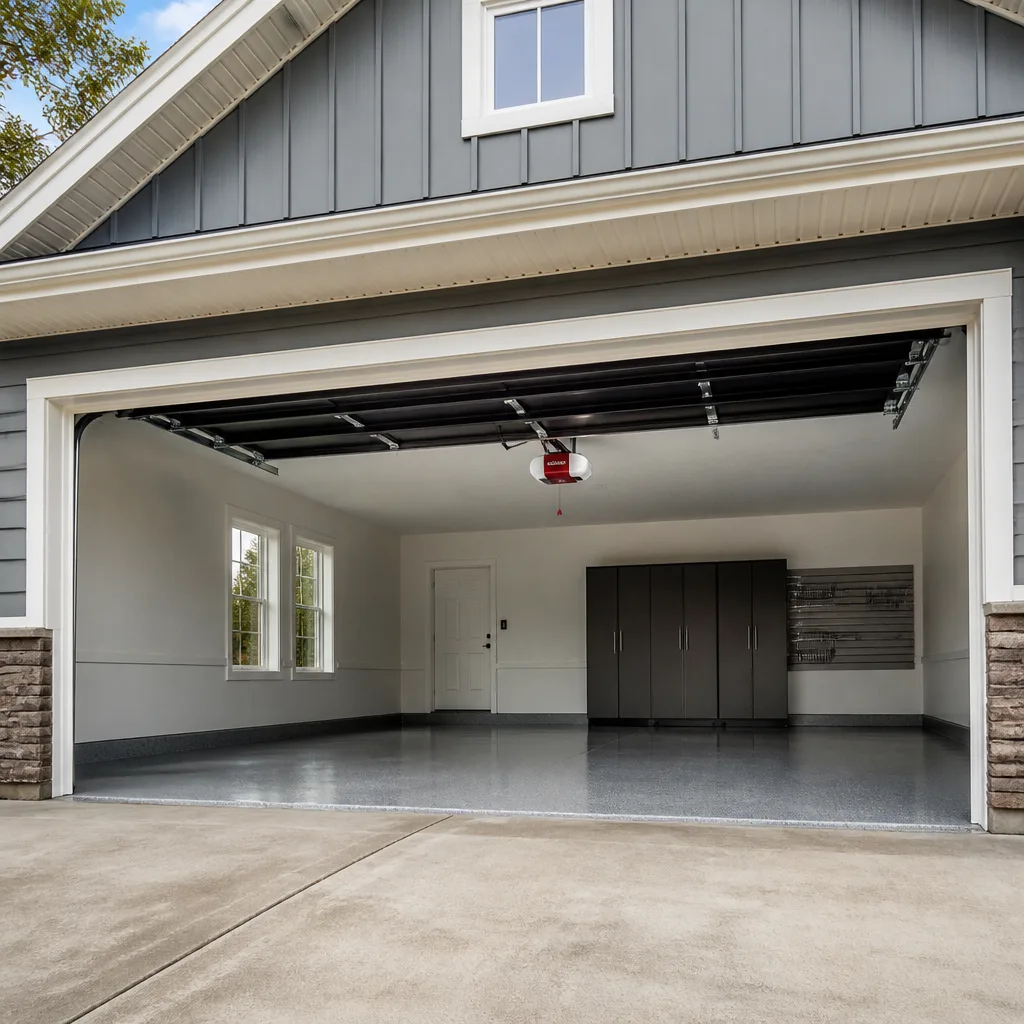 LiftMaster openers
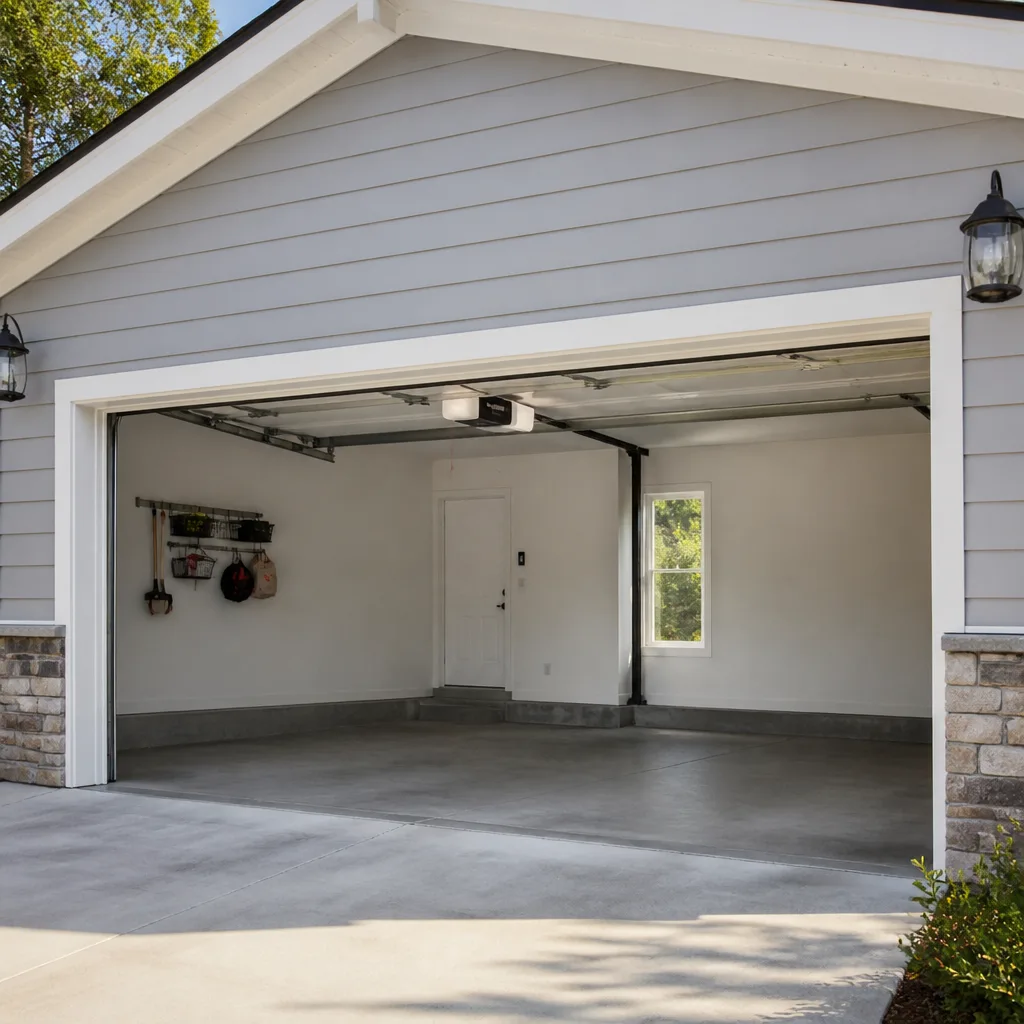 Chamberlain openers
Full 25-point door and opener safety check with every visit - springs, cables, rollers, tracks, and your LiftMaster or Chamberlain opener included
You get a price before we start. It does not change when the pro arrives.
Get your free estimateGarage Door Repair Troubleshooting in Milwaukee: Common Problems and How to Fix Them
A garage door that reverses before it reaches the floor is almost never a sensor problem. Homeowners blame the sensors first because they’re the only part of the system with a blinking light, but in most cases the real culprit is a limit switch that’s drifted out of position, an obstruction on the track, or a spring that’s lost its load. Reading the symptom correctly saves you a service call you didn’t need and points a technician at the right part on the first visit. This guide walks through the Milwaukee-specific troubleshooting we do on doors every week: the freeze-thaw failures, the parts that get replaced when they shouldn’t, and the one-minute test that tells you whether the problem lives in the door or the opener.
Quick Answer
Most garage door problems in Milwaukee come down to five failures: misaligned tracks, worn rollers, failed springs, limit switch drift, and bottom seal damage from freeze-thaw cycles. Start by pulling the emergency release and lifting the door by hand. If it moves smoothly and stays up, the door is mechanically sound and the problem is in the opener. If it’s heavy, binds, or won’t stay open, stop and call a technician. Spring, cable, and track work carries real injury risk and isn’t a homeowner job.
Styles & brands we work with
- Raised-panel steel
- Carriage house
- Modern flush
- Full-view glass
- LiftMaster openers
- Chamberlain openers
Table of Contents
- The Symptom-to-Component Diagnostic Matrix
- The One-Minute Manual Operation Test
- How Milwaukee’s Freeze-Thaw Cycles Stress Your Door
- Spring Failure: What You Can and Can’t Do Yourself
- Opener Problems vs. Door Problems
- Parts That Get Replaced Unnecessarily
- Seasonal Maintenance for Milwaukee Homeowners
- When to Call a Professional
The Symptom-to-Component Diagnostic Matrix
Troubleshooting a garage door is really a process of elimination. A grinding noise, a slow lift, a door that reverses halfway up – each symptom narrows the field quickly if you know what to listen for. The matrix below is the same one our technicians work from when they arrive at a Milwaukee home. It’s not a repair manual; it’s a way to stop guessing before you call someone.
- Door reverses before hitting the floor: limit switch drift, a floor obstruction, or (rarely) photosensor misalignment. Check the sensors last, not first.
- Door reverses mid-travel: a binding track, a worn roller, or a spring carrying unequal load. This is a mechanical issue more often than an opener issue.
- Grinding or scraping noise: worn nylon rollers, dry hinges, or a track that’s been pushed out of alignment. Usually a $50-$150 fix, not a replacement.
- Door won’t lift at all: broken torsion spring, snapped cable, or a stripped opener gear. The manual test below separates these.
- Door closes then reopens: obstruction on the floor track, a mis-set travel limit, or a failing safety sensor.
- Door sags on one side: broken spring on one side of a two-spring setup, or a snapped lift cable. Stop using the door when this happens.
- Loud bang from the garage: almost always a torsion spring breaking. The door will feel extremely heavy. Don’t force it open.
Notice what’s missing from that list: “replace the remotes” and “replace the sensors.” Those are the two parts homeowners replace first and need least often. The real cause is usually upstream in the mechanical system. We see this constantly in Milwaukee, where doors take a beating from weather and get blamed for it in the wrong place.
The One-Minute Manual Operation Test
Before you call anyone, run this test. It takes about sixty seconds and it tells you whether you’re dealing with a door problem or an opener problem – which is the single most useful thing to know before a technician arrives. It also keeps you from paying for a service call that a five-minute adjustment could prevent.
- Close the door and unplug the opener. Never run this test with power to the unit. If your opener is battery-backed, pull the battery too.
- Pull the red emergency release handle. This disconnects the door from the opener trolley. The door should now move freely on its tracks.
- Lift the door halfway by hand. Use both hands, at the bottom panel. If it feels like lifting thirty pounds, stop – that’s a failing spring or cable and a sign to call a professional.
- Let go at halfway. A properly balanced door should hold its position. If it slams down, the spring is under-tensioned. If it floats up, it’s over-tensioned.
- Lower the door all the way and watch the tracks. It should glide without wobbling or catching. A wobble means a bent track or a worn roller.
- Reconnect the release and plug the opener back in. If the door passed the manual test but the opener still misbehaves, the problem is inside the opener unit – limit switches, travel settings, logic board, or gear.
This test is worth repeating after every weather event. In Milwaukee, we get the full spectrum: frozen slush at the bottom seal in January, expansion-buckled tracks in July. A door that passed the test in October can fail it by December without a single part breaking.
How Milwaukee’s Freeze-Thaw Cycles Stress Your Door
Milwaukee runs through dozens of freeze-thaw cycles between November and March. Water seeps into the driveway, sits against the bottom of your garage door overnight, freezes, expands, and then thaws the next day. Repeat that a few dozen times a season and you get the specific wear patterns we see on doors across the city. National troubleshooting guides rarely cover any of it.
The bottom seal is the first casualty. Rubber gets stiff, then cracks, then tears away from the aluminum retainer. Once the seal is gone, cold air and moisture roll under the door and the opener has to work harder to fully close it. If your door won’t close in January, look at the seal before you touch the sensors.
Rollers take the second hit. Steel rollers rust from the condensation that builds on the inside of the track, and nylon rollers get brittle and flat-spot when they sit against a frozen track. Old tracks in older Milwaukee neighborhoods – Sherman Park, Washington Heights, Bay View – often have decades of minor dents that a homeowner wouldn’t notice until a roller catches on one.
Track alignment is the third issue. The steel tracks expand and contract with temperature swings and shift slightly in their brackets. A track that’s off by a quarter inch in July might be off by half an inch in January. The symptom is the door binding on one side, or the opener stalling at a specific height. Those are mechanical track issues, not opener failures.
What this means practically: check your seal, rollers, and track alignment every fall before the first hard freeze. Catching a stiff seal or a loose bracket in October costs less than fixing the cascade in February.
Spring Failure: What You Can and Can’t Do Yourself
Torsion springs store enough energy to lift a 200-pound door. When one breaks, that energy releases all at once. That’s why when a homeowner tells us they heard a bang from the garage and now the door won’t lift, we tell them the same thing every time: don’t touch it. A trained technician treats an unloaded torsion system with the same respect an electrician gives a live panel.
Some repairs are genuinely DIY-safe. Others aren’t. Here’s the practical split:
- Safe to do yourself: wiping down and lubricating hinges, rollers, and springs; cleaning the photo-eye lenses; replacing the batteries in remotes and keypads; visually inspecting tracks and seals; tightening the bolts that hold the tracks to their brackets.
- Do not attempt: winding or unwinding torsion springs, adjusting extension spring tension, replacing cables, cutting or bending tracks, or lifting a door with a broken spring under load. Every year, homeowners end up in the ER from spring tension work. It’s not worth the risk.
Spring pricing varies with door size and spring type, but in the Milwaukee market a single-spring replacement typically runs $180-$340, and a matched pair is usually replaced together at about twice that. Whether you can wait a day or need it addressed same-day depends on whether the door is your primary access or it’s blocking a vehicle. Either way, a trained technician should be the one to open the spring system.
Springs fail in clusters. If one spring in a matched pair breaks, the other should usually be replaced at the same time – it’s had the identical load and lifespan, and it’s likely to fail within a season. Replacing both is one visit rather than two.
Opener Problems vs. Door Problems
Before you call an opener repair specialist, run the manual test in the previous section. If the door moves freely by hand but the opener still won’t cycle it properly, the problem is inside the unit. If the door binds by hand, the opener is doing its best with a mechanical problem that’s not its fault. That distinction saves a lot of replacement remotes and sensors that never needed replacing.
When it is genuinely an opener issue, the four most common faults are:
- Limit switch drift. The opener thinks the door has reached its limit earlier than it actually has, so the door stops short or reverses. It’s an adjustment, not a replacement.
- Force setting too sensitive. Modern openers from LiftMaster, Chamberlain, and Genie reverse when they sense resistance. If the force setting is too low, a slightly stiff door trips it. Often fixed with a dial, occasionally with a new logic board.
- Stripped drive gear. You’ll hear the motor running but the door won’t move. That’s a worn nylon gear inside the unit – replaceable on most models, but on older Genie and Chamberlain units the gear is sometimes the last warning before the whole opener needs replacing.
- Failing logic board or Wi-Fi module. Modern Wi-Fi-enabled openers can fail at the smart-home side first. If the unit works from the wall button but not the app, that’s a module problem, not a door problem.
garage door opener repair is a specialty we treat as its own service rather than a tacked-on extra. Legacy chain-drive units, belt-drive openers, and current smart-home models all need different troubleshooting, and we work on the brand that’s already in your garage.
Parts That Get Replaced Unnecessarily
The most common money-saving conversation we have with Milwaukee homeowners is this: the part you think is broken usually isn’t. A few examples we see on a weekly basis.
Photo sensors. When a door reverses halfway down, the sensors get blamed. In our experience, sensor misalignment is real but rarely the cause when the door reverses at the same spot every cycle. Drift in the travel limit is far more common. A sensor issue usually shows up as intermittent reversal – one cycle works, the next doesn’t.
Remotes and keypads. A remote that works from the driveway but not from the house isn’t broken. It’s either a battery, an antenna issue on the opener (the wire hanging from the unit gets bent or broken), or frequency interference from LED bulbs or nearby electronics. Replacing the remote doesn’t fix any of those.
Opener replacement. A door that won’t close because the seal has torn away from the bottom and is dragging on the driveway gets diagnosed as an opener problem surprisingly often. The opener is fine. The seal is the fix.
Track replacement. Tracks get bent brackets. Bracket replacement is a small job. Full track replacement is only needed if the track is physically kinked or rusted through, which usually means the door has been hit by a vehicle – a different repair with a different price.
Springs. When the door slams down, the natural guess is a failed spring. Sometimes it’s a snapped cable or a trolley that’s slipped off the track. Both mimic spring failure from the driver’s seat. The diagnostic is the manual test.
The pattern across all of these: fix the cause, not the symptom. A repair that treats the wrong part gets repeated two months later with a bigger bill.
Seasonal Maintenance for Milwaukee Homeowners
Ten minutes of seasonal work prevents most of the emergency calls we take. Here’s the routine we recommend, adjusted for what Milwaukee weather actually does to a door over a year.
- Late fall (before first freeze): wipe down the bottom seal and check for cracks. Lubricate hinges and rollers with a silicone or lithium-based lubricant. Tighten the track bolts on both sides. Run the manual test.
- Mid-winter: clear snow and ice away from the door threshold after storms. Don’t chip ice off the seal with a metal tool – use a plastic scraper. Test the safety reverse by placing a piece of wood flat on the floor and confirming the door reverses.
- Spring (after last hard freeze): inspect the seal for damage from winter. Look for rust on steel rollers, condensation inside the track. Check the spring for visible gaps or a broken coil.
- Summer: lubricate again – heat dries out lubricant faster than you’d expect. Check that the tracks haven’t expanded away from their brackets. Test the balance by running the manual test again.
If you have a Clopay, Amarr, or Wayne Dalton door, the manufacturer’s maintenance intervals match this seasonal frame closely. If you have a LiftMaster or Chamberlain opener, the belt or chain tension should be checked once a year.
For a full second opinion on a door you’re not sure about, garage door repair visits include a visual assessment of every system – springs, cables, tracks, rollers, seals, and opener – before any work is recommended.
Common Mistakes to Avoid
- Blaming the sensors first. It’s human nature – sensors are the only part with a light. But sensor misalignment is rarely the cause of a door that reverses at the same spot every time. Start with the limit switch and the manual test.
- Greasing the tracks. Tracks should be wiped clean, never lubricated. Grease on the track attracts grit, which turns into grinding paste under the rollers. Lubricate the rollers and hinges, not the track itself.
- Forcing a door with a broken spring. Milwaukee winters tempt homeowners to force a door up to get a car out. Every cycle on a broken spring overloads the opener gear and can snap a cable. Use the manual release and leave it.
- Replacing the opener when the door is the problem. If the door binds by hand, a new opener will bind on the same tracks. Fix the mechanical issue first, then assess the opener.
- Skipping the fall tune-up. In Milwaukee, the freeze-thaw cycle punishes a door that hasn’t been lubricated or inspected since spring. Ten minutes in October prevents most of the calls we get in January.
- Chipping ice off the seal with a metal tool. It’s the fastest way to tear a rubber seal that was doing its job. Plastic scraper, or warm water trickled along the bottom – never a chisel.
- Assuming a strange noise means a big repair. Much of what sounds catastrophic is a loose bolt, a worn roller, or a dry hinge. Get an honest diagnosis before committing to a repair.
See the difference
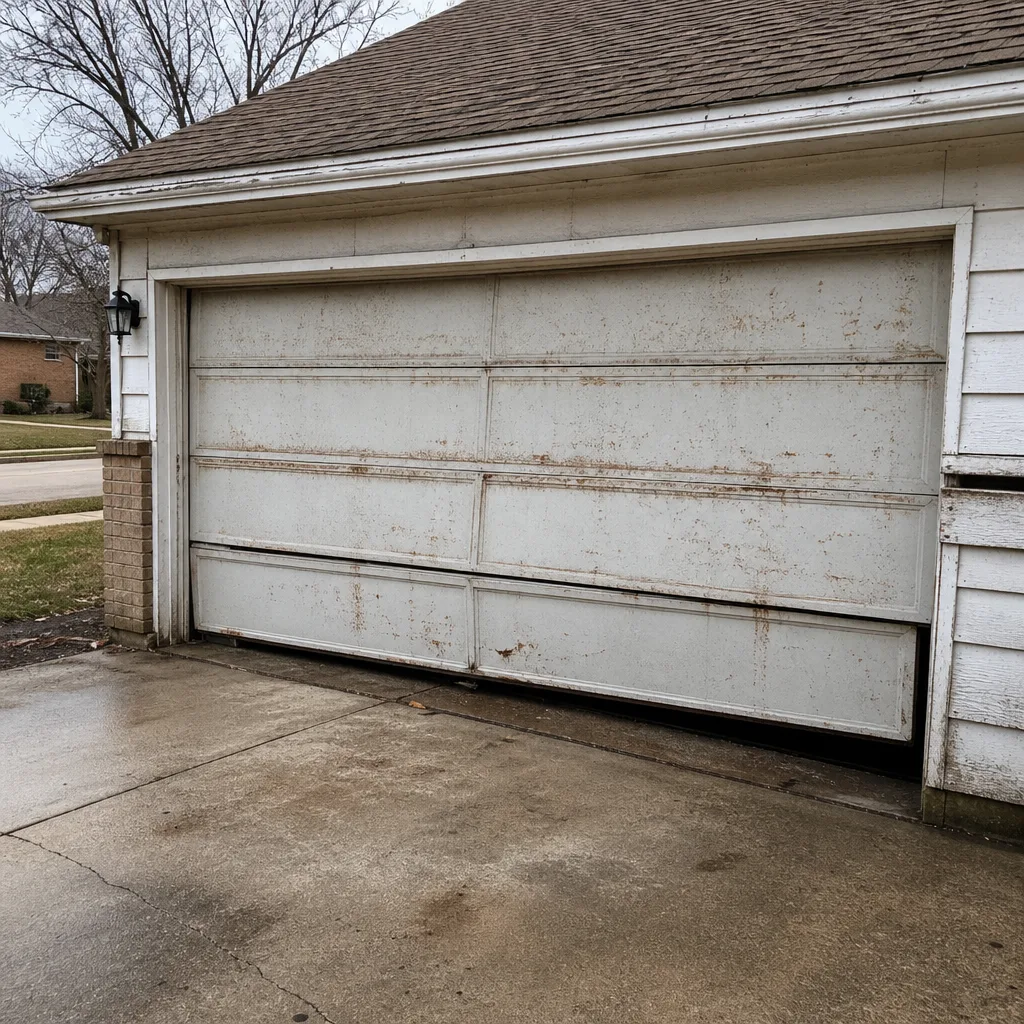 Before
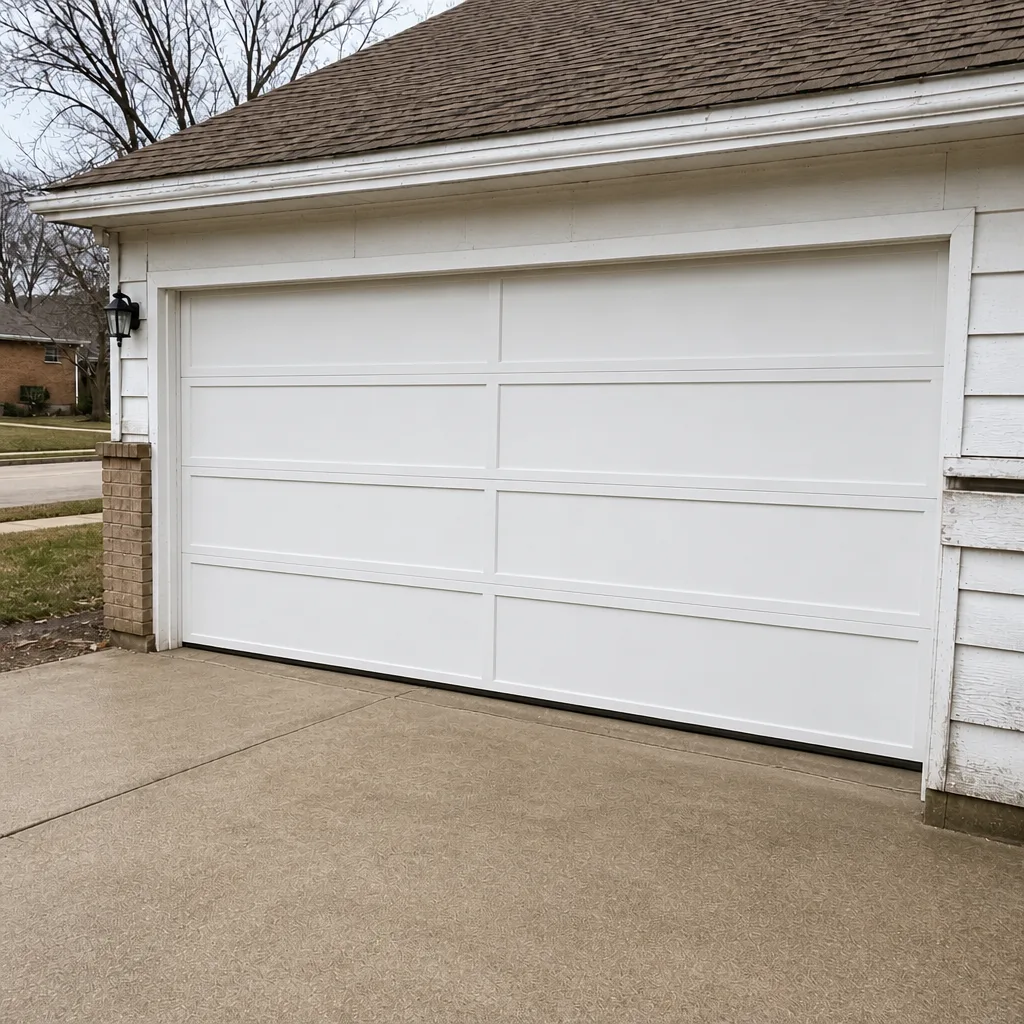 After
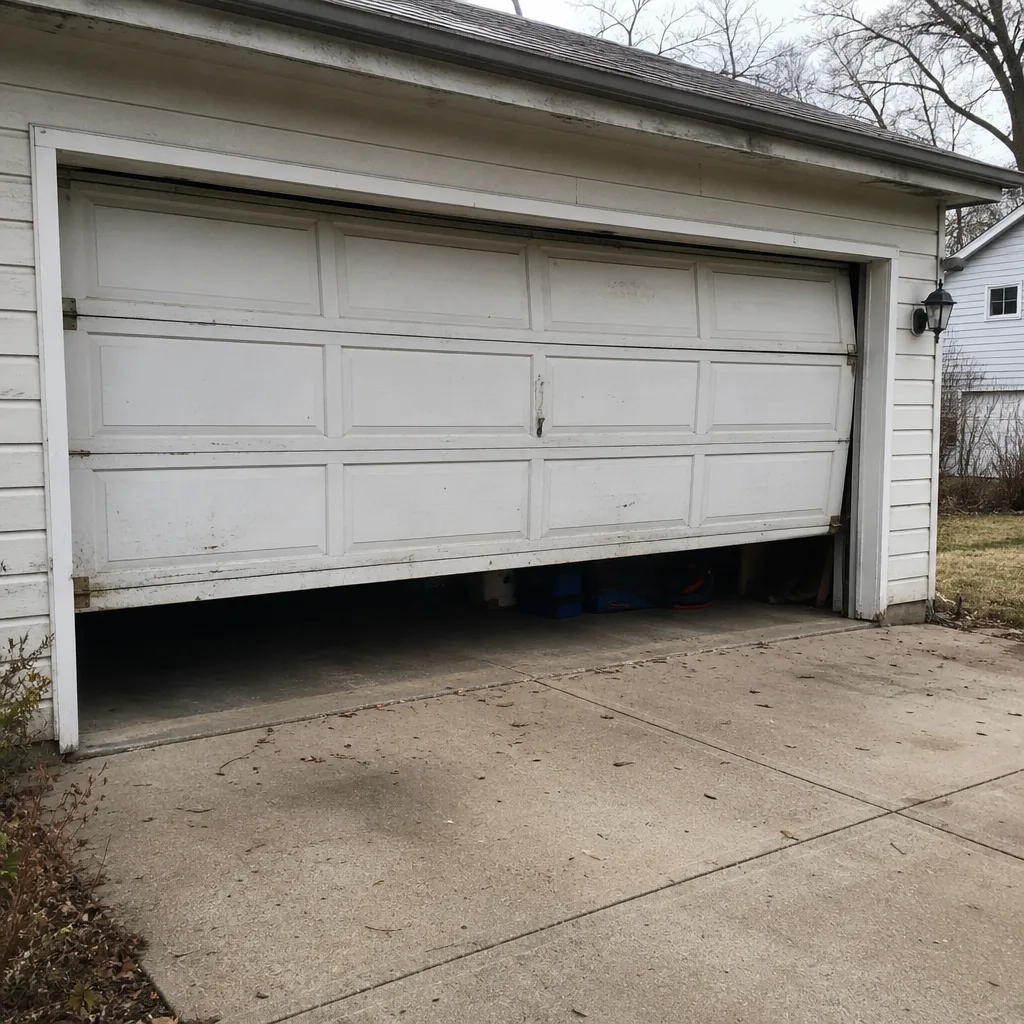 Before
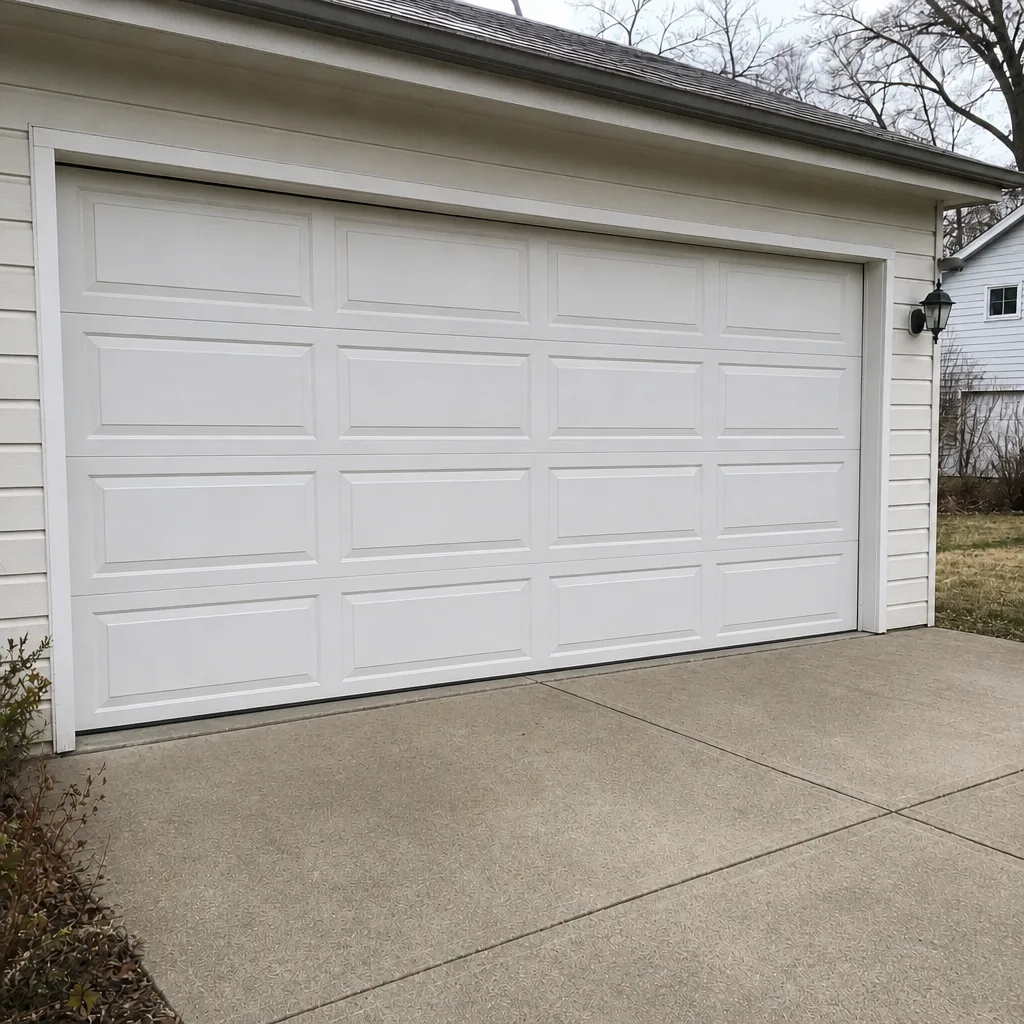 After
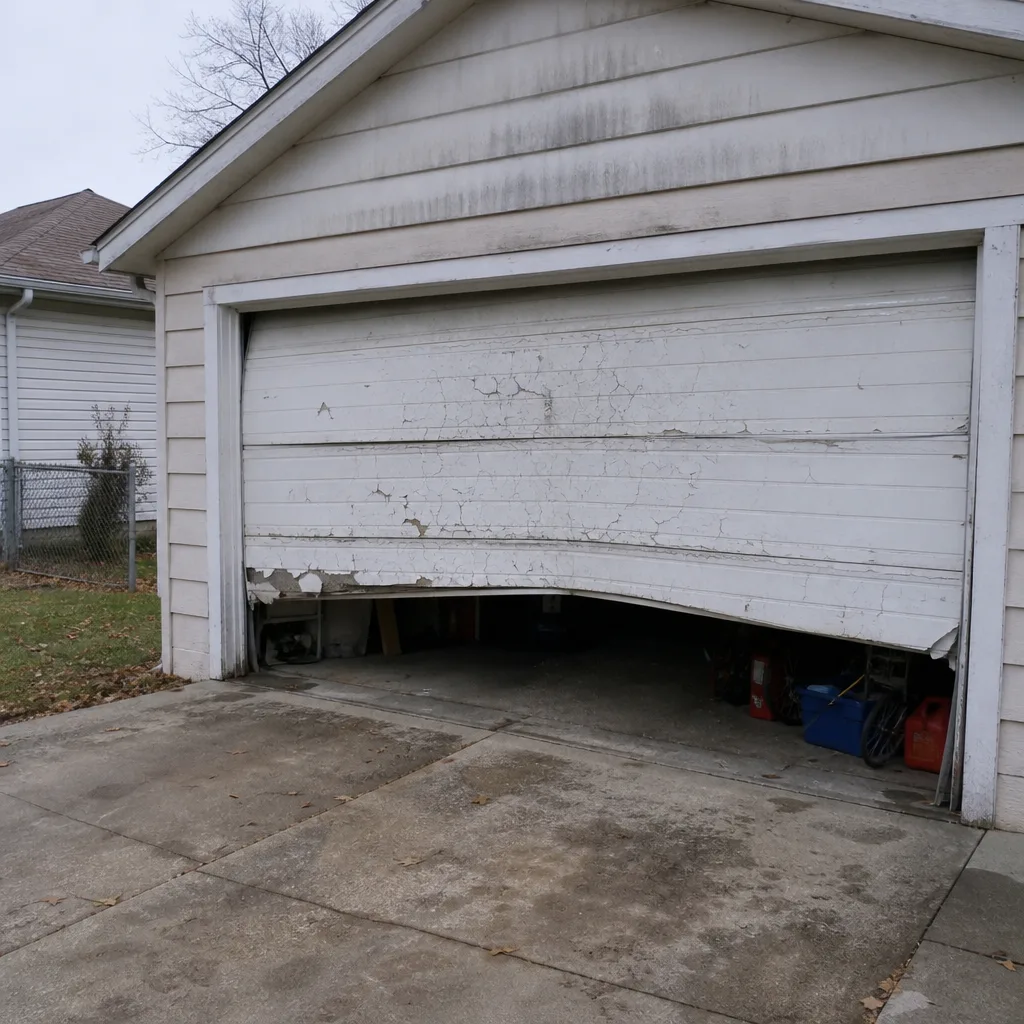 Before
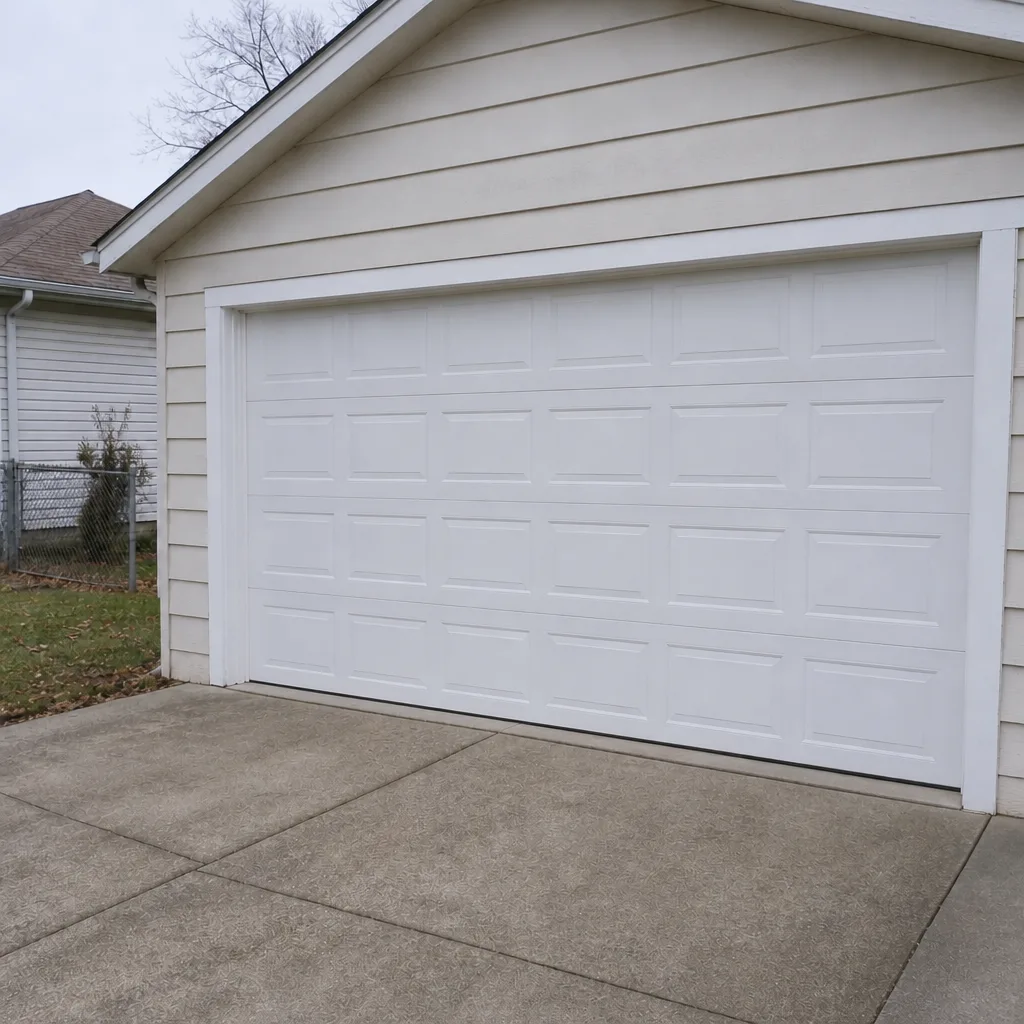 After
When to Call a Professional
Some repairs are worth your time; some are worth a call. Call a professional – not a DIY video – when the door is heavy to lift by hand, when any spring or cable is visibly broken or slack, when a track is bent or the door has been hit, or when the opener runs but the door doesn’t move and the gear is suspect. Any of those is an Honor Garage Door Repair call.
Honor Garage Door Repair works on the brand already in your garage – LiftMaster, Chamberlain, Genie, Clopay, Amarr, Wayne Dalton, Craftsman, and Raynor – so the diagnosis starts from familiarity, not a guess. We quote before any work begins, and we tell you what we’d do if it were our door. Free estimates in Milwaukee: call (866) 942-7695. We answer 24/7. Fast dispatch from 7am to 7pm, Sunday through Friday.
Frequently Asked Questions
Most often because the limit switch has drifted, not because the safety sensors are misaligned. The opener thinks it has reached the floor when it hasn’t, so it reverses mid-way. Check for obstructions on the floor track first, then check the travel limit setting on the opener. If you’ve done both and the door still reverses, call (866) 942-7695 for an exact quote – estimates are free.
It’s urgent but rarely a life-safety emergency if you can park outside. The bigger risk is forcing the door open on a broken spring, which overloads the opener and can snap a cable. A single-spring replacement typically runs $180-$340 in the Milwaukee area, and a matched pair is about twice that. Call (866) 942-7695 – we answer 24/7.
Cold weather doesn’t break openers directly, but it stiffens the seal, tightens the tracks, and increases the load on the door – which is what makes a borderline opener fail in January rather than July. If your door gets sluggish in cold weather, the fix is usually on the door side, not the opener side.
Most repairs – rollers, hinges, seals, limit settings, sensor alignment – are finished in under an hour. Spring replacements and track work usually run one to two hours. The exact timing depends on the brand and what we find once we’re in front of the door. For a free estimate, call (866) 942-7695.
No – the written estimate you approve is the price. If we find something that changes the diagnosis, we stop, explain what’s actually wrong, and quote the work before proceeding. You decide. That’s what the name Honor means in practice.
In many cases, yes. Emergency and same-day repair is available for failed springs, snapped cables, and doors that are blocking a vehicle. Call (866) 942-7695. We answer 24/7, and fast dispatch from 7am to 7pm, Sunday through Friday, gets a technician to most Milwaukee addresses the same day.
Yes – the technicians who work on your door are experienced professionals, and our technicians have up to 15 years of experience, including brand-specific knowledge for LiftMaster, Chamberlain, Genie, Clopay, Amarr, Wayne Dalton, Craftsman, and Raynor systems. Call (866) 942-7695 to schedule a free estimate.
The Bottom Line
Most garage door problems in Milwaukee are misdiagnosed before anyone picks up a phone. The fix is to stop chasing the symptom and start identifying the failed component – which starts with a one-minute manual test and a clear read of the symptom. In practice, that means checking the bottom seal and tracks before replacing the opener, checking the limit switch before replacing the sensors, and calling a professional the moment a spring or track is involved. Honor Garage Door Repair exists to make that last step the easy one, with honest diagnoses and a written price before any work begins. Call (866) 942-7695 for a free estimate in Milwaukee.
Written by the team at Honor Garage Door Repair.